You Have a New Message
Never do I receive a letter from you without our being together at once.
* Original: Numquam epistulam tuam accipio ut non protinus una simus. Seneca, Letters to Lucilius 40.1. Our translation.
How we passed messages to one another, from signals on the horizon to a world that no longer waits.
You have a new message.
Today these are five words that may not even make us look up. A phone screen lights up. Someone needs something, reminds us of something, asks about something. The message is here before we have time to wonder where it came from.
But imagine for a moment a world without mobile phones, electricity, the telegraph or the postage stamp. You are standing on a hill and you need to warn someone on the other side of the valley. You can see their home, maybe you catch a glimpse of movement. Your voice won’t carry that far. And setting out on foot means losing time you may not have.

What do you do? Light a fire? Raise a flag? Send a pigeon? Leave a sign the other person will understand? The answer depends on where you live, when you live, what you need to say and how well the two of you have agreed on the rules.
This story is not just a history of inventions. It is the story of countless attempts to solve one human problem: I know something you need to know. But you are not here.
Some messages once flew across the land like a flash. Others were carried by a rider, borne by a bird or hidden in a folded envelope. Later they travelled through wires, cables and computer networks. And some, for all human ingenuity, never reached the place they were meant for.
So first, people had to agree on what each sign actually meant.
Chapter 1
When Fire, Smoke and Sound Spoke
Not every message needs a sentence. Sometimes one thing is enough: Watch out. Danger is coming.
That is the great advantage of a signal. You don’t have to pass on the whole story if you have agreed in advance what a light on a distant hill means. When a fire flares up, the guard at the next post can repeat the warning. The information moves across the land without anyone having to run the whole way.
But such a system has its limits. It needs good visibility, an attentive receiver and a shared understanding of the meaning. A flame on its own cannot explain how many people are coming, from where or what exactly they want. And in fog and rain, smoke is far less cooperative than in the illustrations of adventure novels.
Sound had other advantages. In some societies, drums or horns were used to pass information over long distances. But how well they worked always depended on the surroundings, on local traditions and on a system of patterns people knew how to recognise. There is no single “drum language” for all of humanity.
The real revolution begins when people are no longer content with a single sign. They create a set of signals that together can carry more complex content. It is no longer just about someone seeing or hearing something. It is about both of them understanding it the same way.
Pass On the Warning
Guards stand on four hills and share one book of signals. Something is happening down in the valley right now. Decide how many fires to light and see what they make of it on the last hill.
The Guards’ Book
- –no fire: all quiet, nothing is happening
- one fire: danger is approaching
- two fires: the enemy is very close
What Just Happened
How Many Fires Will You Light
On the last hill they read:
Fire can carry only what you agreed on beforehand. For everything else, you need a messenger.
Chapter 2
The Message Got Legs. And Wings.
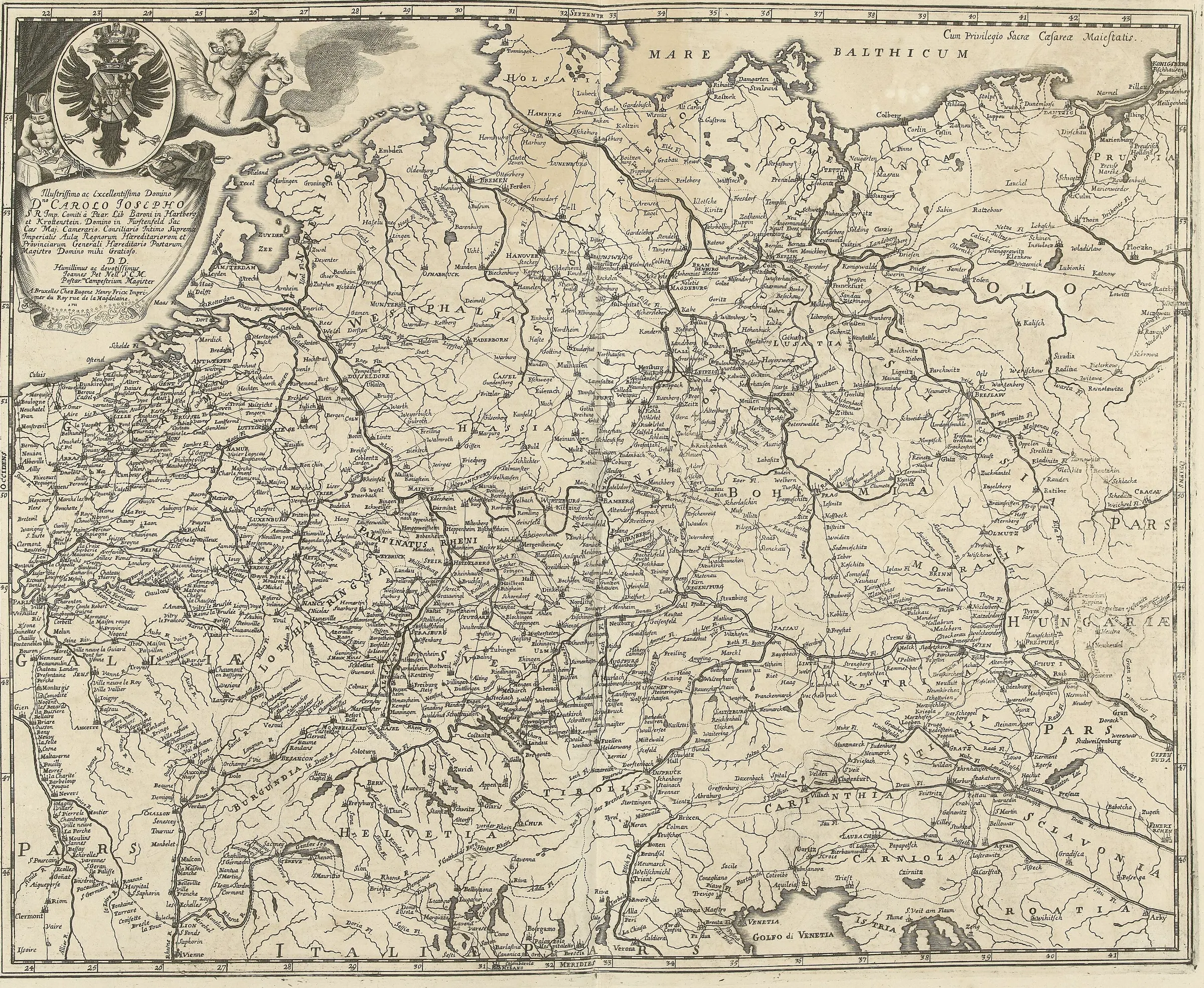
When you need to tell someone something more complicated than “danger”, nothing is surer than actually delivering the message. Entrusting it to a person who sets out on the road, on foot, on horseback, by boat or by cart. In different corners of the world, independently of one another, this gradually gave rise to networks that turned delivery into an organised service.
A messenger who carried a message the whole way had one remarkable quality: besides the message, he could also bring an explanation. He could answer questions, describe the situation, add what had not been written down. But he could also get lost, fall ill, be delayed or never come back at all. That is why the great networks relied on relays: at every station a rested rider and horse were waiting. The message travelled faster, but there was no longer anyone to explain it.
So postal systems were not just a way of moving a note from one hand to another. They were about building trust in a network of roads, people, stations and rules, and for a long time they served mainly the state and its rulers. Who can send a message? How much will it cost? Who is allowed to read it? Who is responsible if it is lost? The same questions would later take digital form.
And then there are pigeons. No, these were not birds you could tell an address to and they would happily fly off anywhere. A homing pigeon can do just one thing: return to its home loft. That made it an extraordinary courier, but not a universal one. First, someone had to take it away.
During the Siege of Paris in 1870 and 1871, balloons carried messages out of the city, together with pigeons from Parisian lofts. The pigeons then brought back messages photographically reduced onto tiny film. It showed how inventive delivery can be in a world where the usual routes are cut. And also how helpless people are when the way back fails: of 302 pigeons released, 57 made it home.
 Dive deeperThe Journey of a MessageSeven networks of messengers, from Persia to besieged Paris. How they worked and how long a message really took.
Chapter 3
When a Message Took Lasting Form
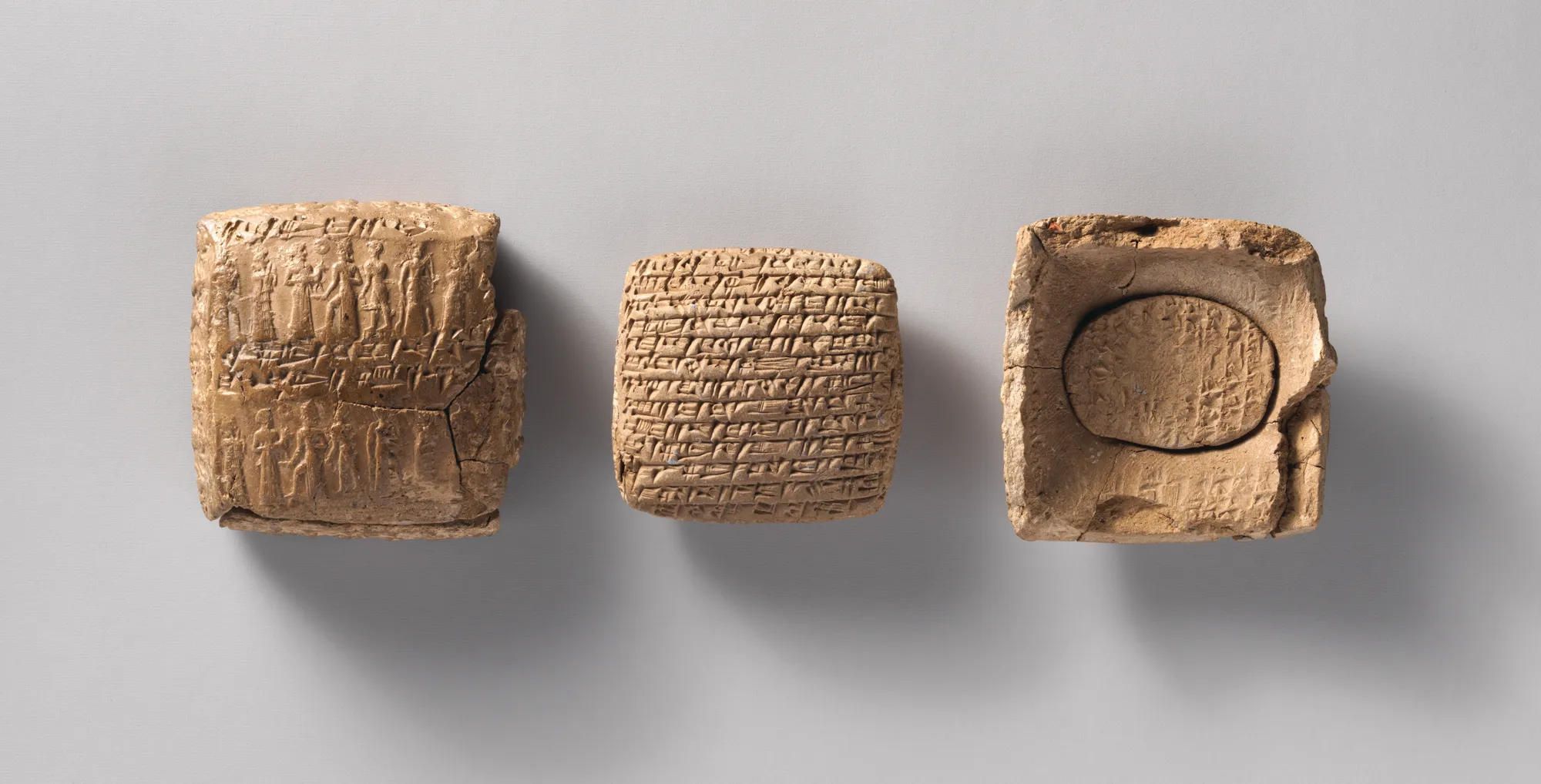
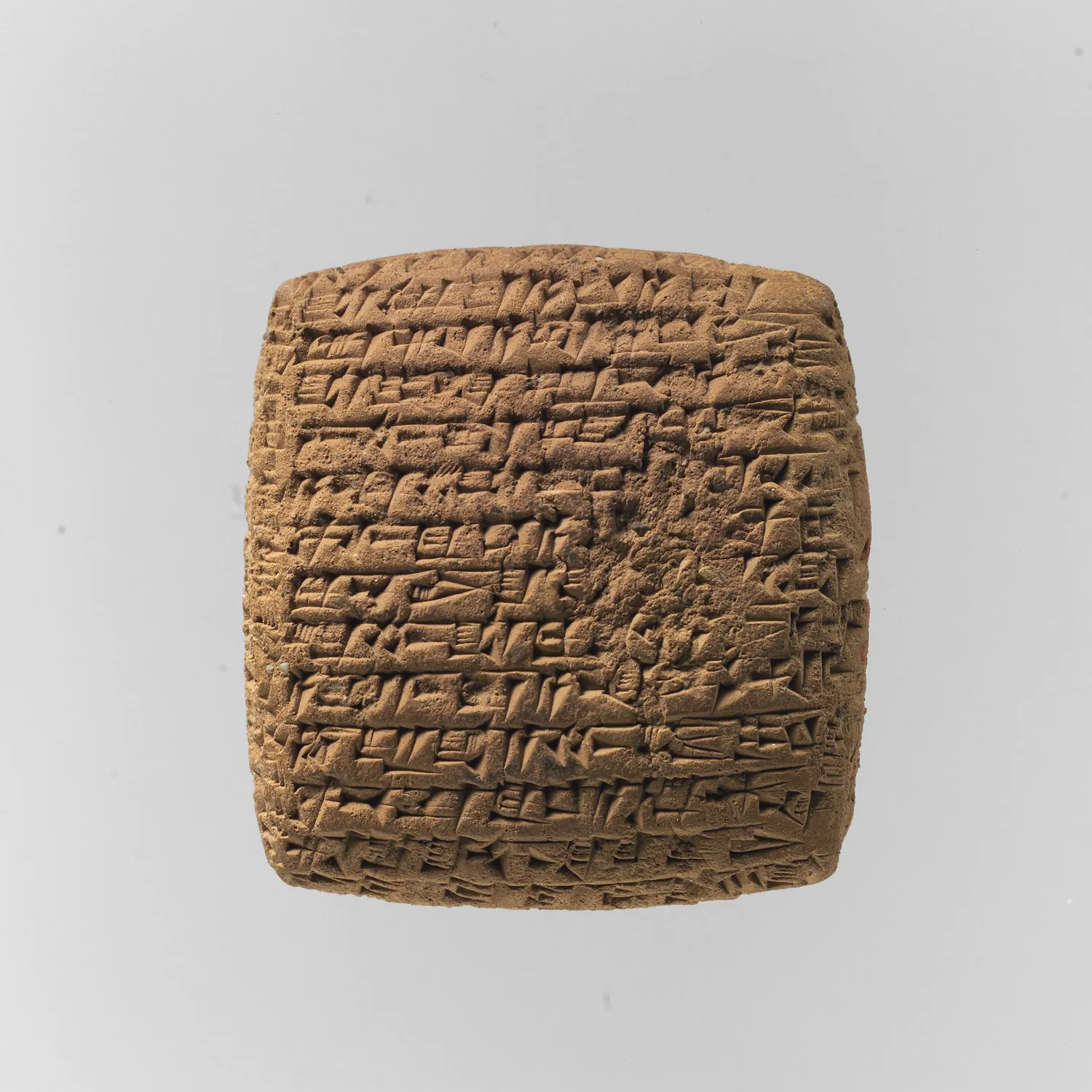
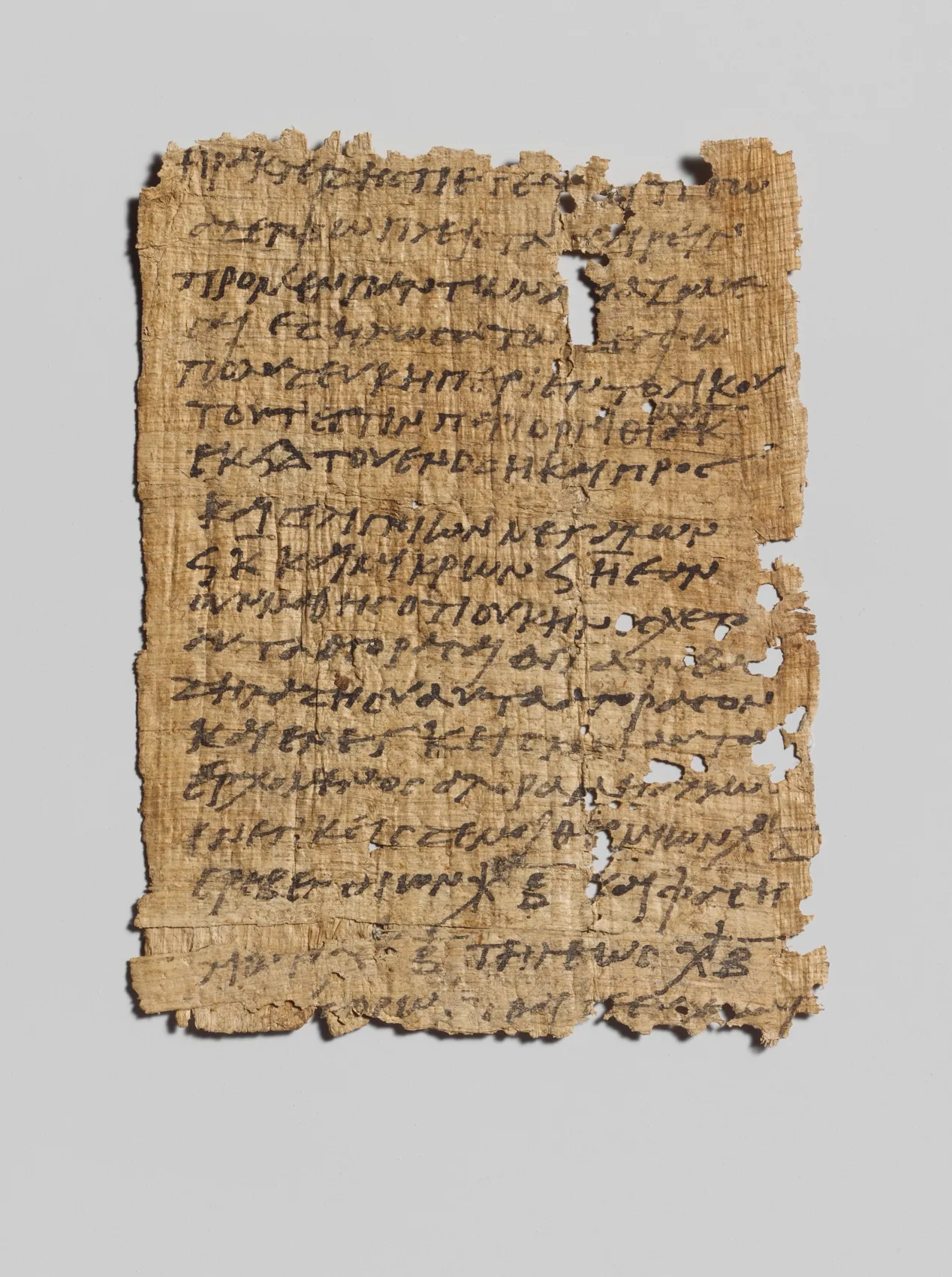
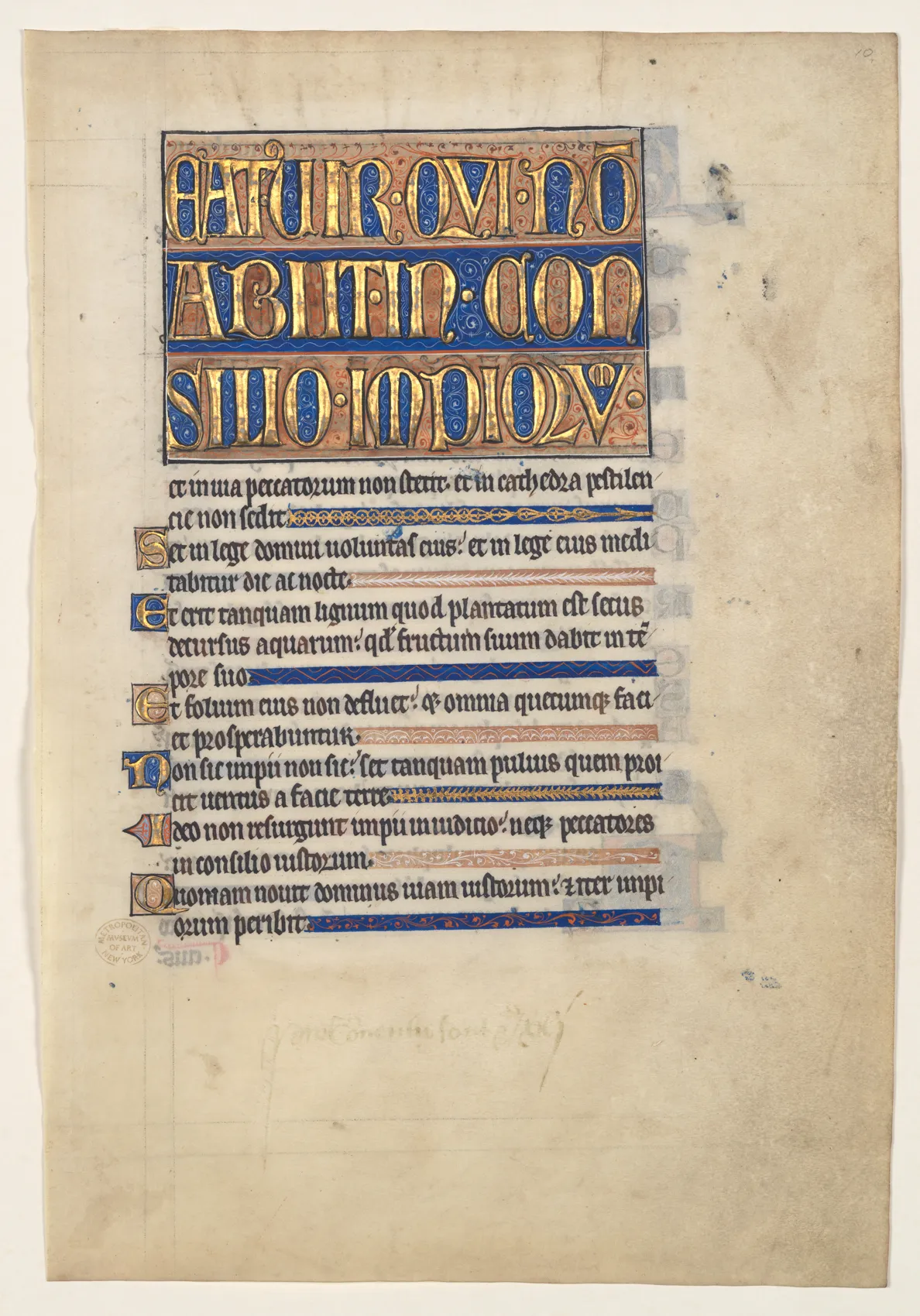
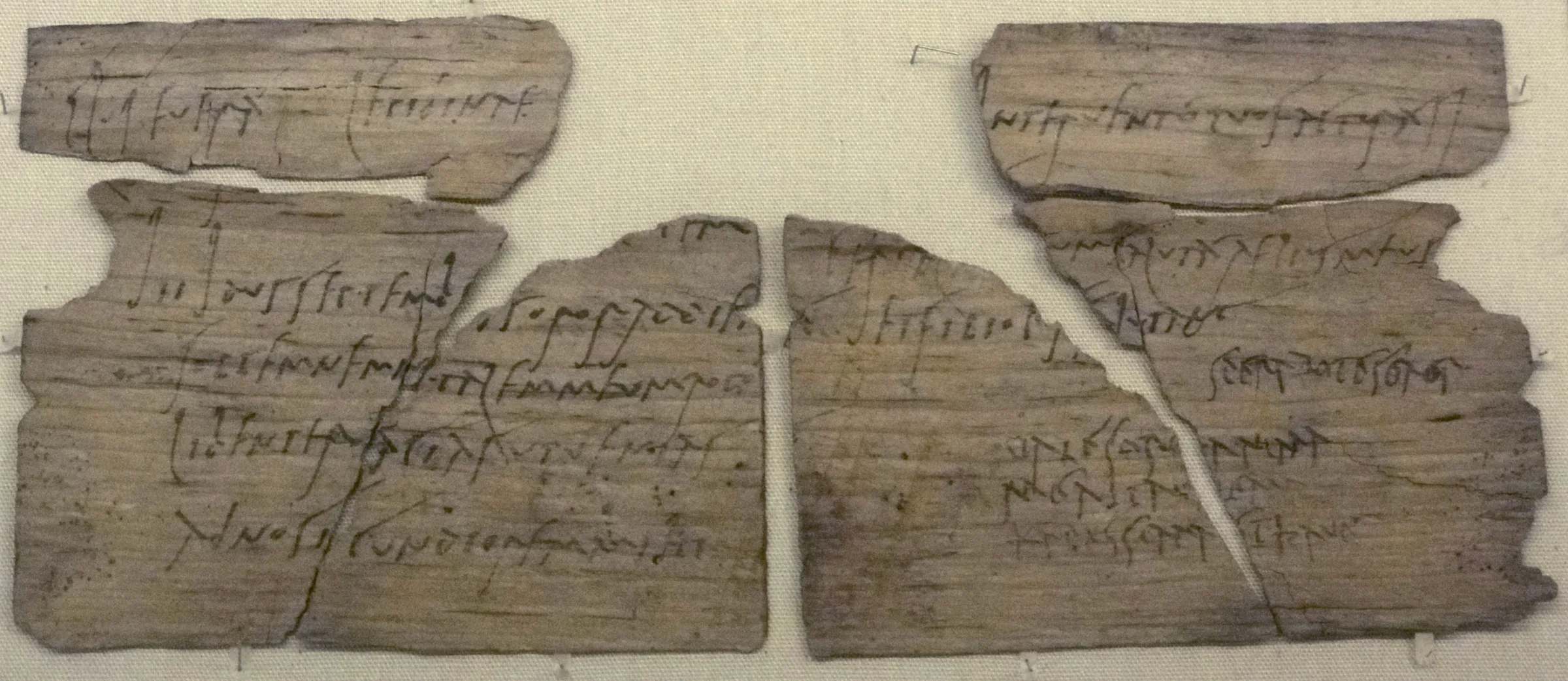
Spoken words vanish the moment they fade. A sign on the horizon goes dark. But a written message can remain long after its author is gone. For a long time there was no single obvious form of a “letter”. Messages and records were made on different materials depending on the place, the time and the purpose. A clay tablet behaves differently from papyrus, parchment or paper.
Some materials last remarkably long, others quickly fall apart without exceptional conditions. And the material also changes who can write, who can carry the text and how easily it can fall into the wrong hands.
On the Roman military frontier in what is now northern England, around AD 100, a message was written that was neither a military order nor a diplomatic secret. Claudia Severa invited Sulpicia Lepidina to her birthday celebration. Most of the note was written by a scribe. Claudia added the personal closing at the bottom right in her own hand: “I shall expect you, sister.” The wooden tablet has survived and today belongs to the collections of the British Museum.
Almost two thousand years. That is how long it has been since one woman looked forward to a visit from another. Therein lies the peculiar power of written words: when a message survives, it can find a reader its author never imagined.
Dive deeperAn Invitation From VindolandaOpen Claudia Severa’s birthday invitation: the original, the Latin transcription and an English translation.
Chapter 4
A Message Faster Than a Human
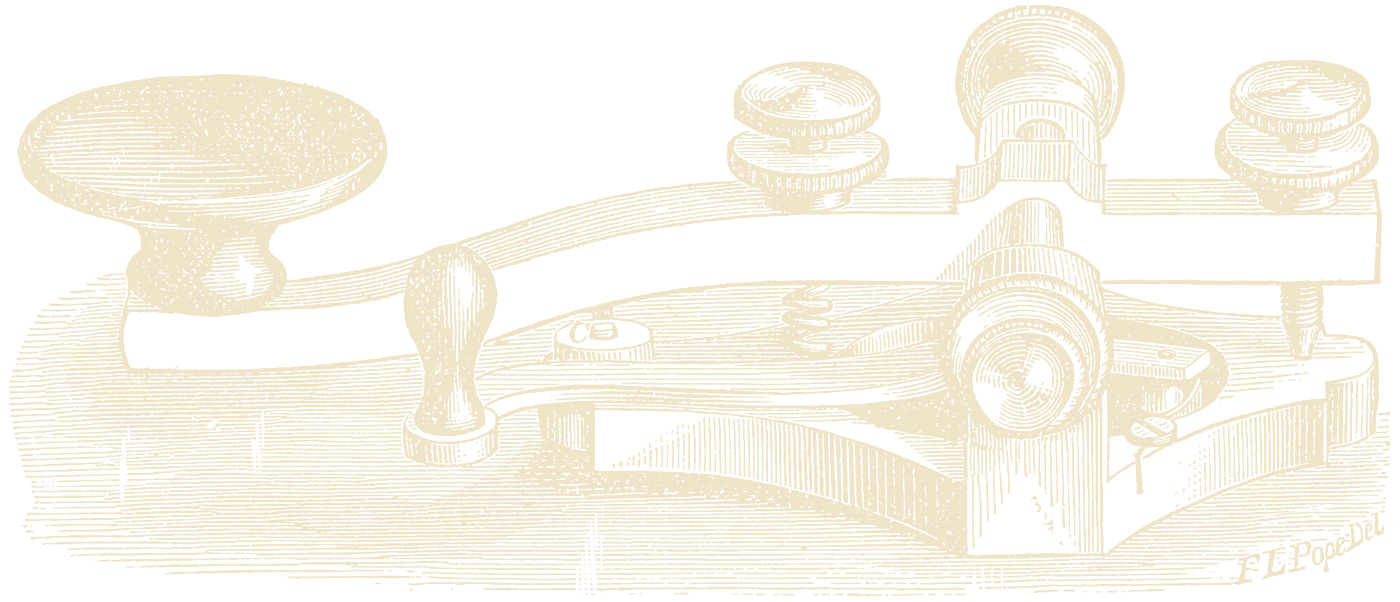
For centuries a harsh rule applied: if a message was to travel far, something physical usually had to travel with it. A person, a parcel, a ship, a pigeon. Then it became possible to separate the content of a message from its carrier.
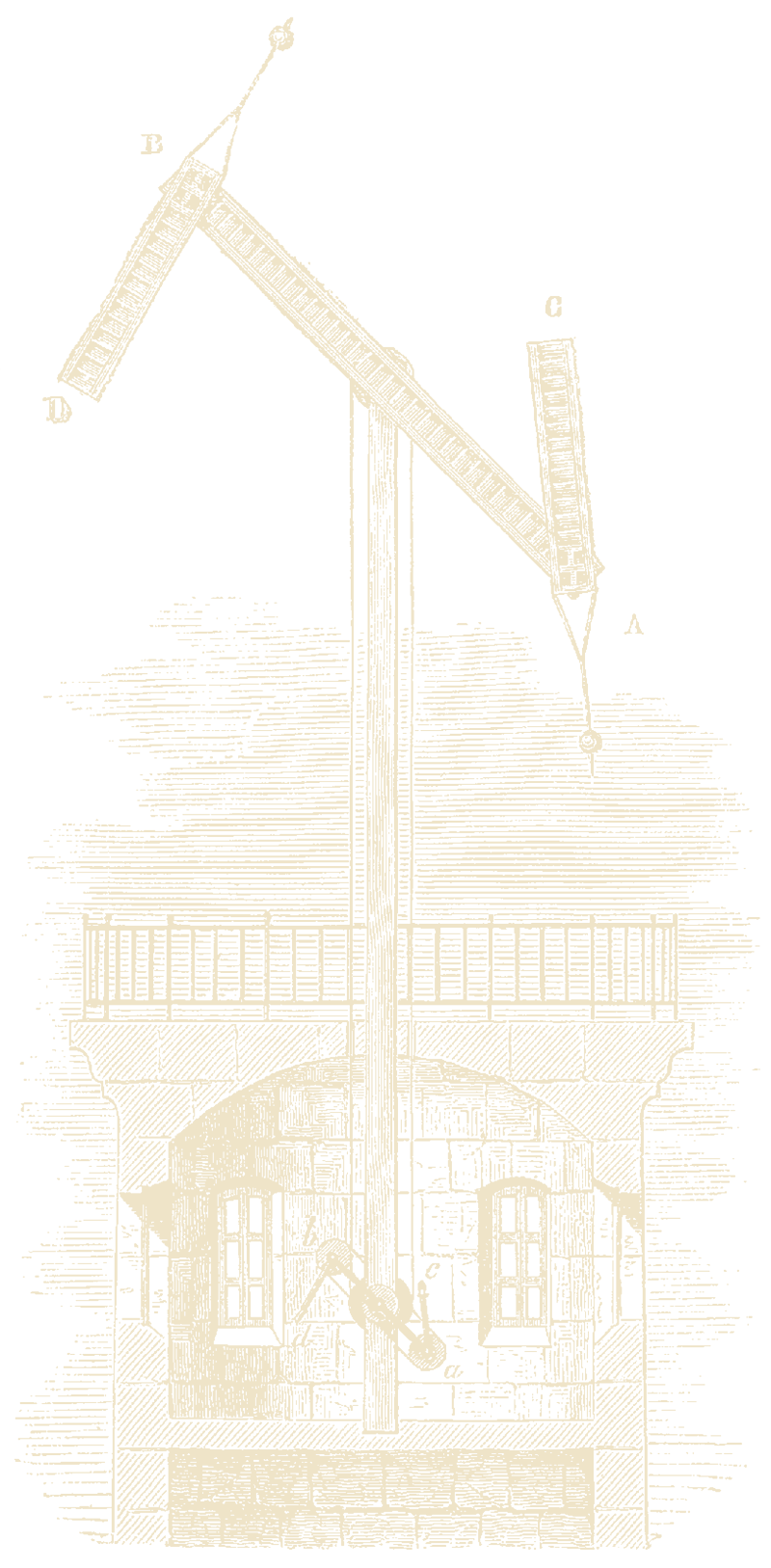
France, 1794: Claude Chappe builds a chain of towers with movable arms between Paris and Lille. The crew of each tower simply repeats the sign of the neighbouring tower; only the code book at the end knows the meaning. And so news of the capture of Condé reaches Paris on 30 August 1794, the very same day.
The electric telegraph sent a message along a wire, far faster than a rider on horseback. Washington, 24 May 1844: in the Capitol, Samuel Morse taps out four words from the Bible, and a few moments later in Baltimore a machine prints them onto paper tape: “What hath God wrought”. At the same time, Cooke and Wheatstone were building their own telegraph in Britain.
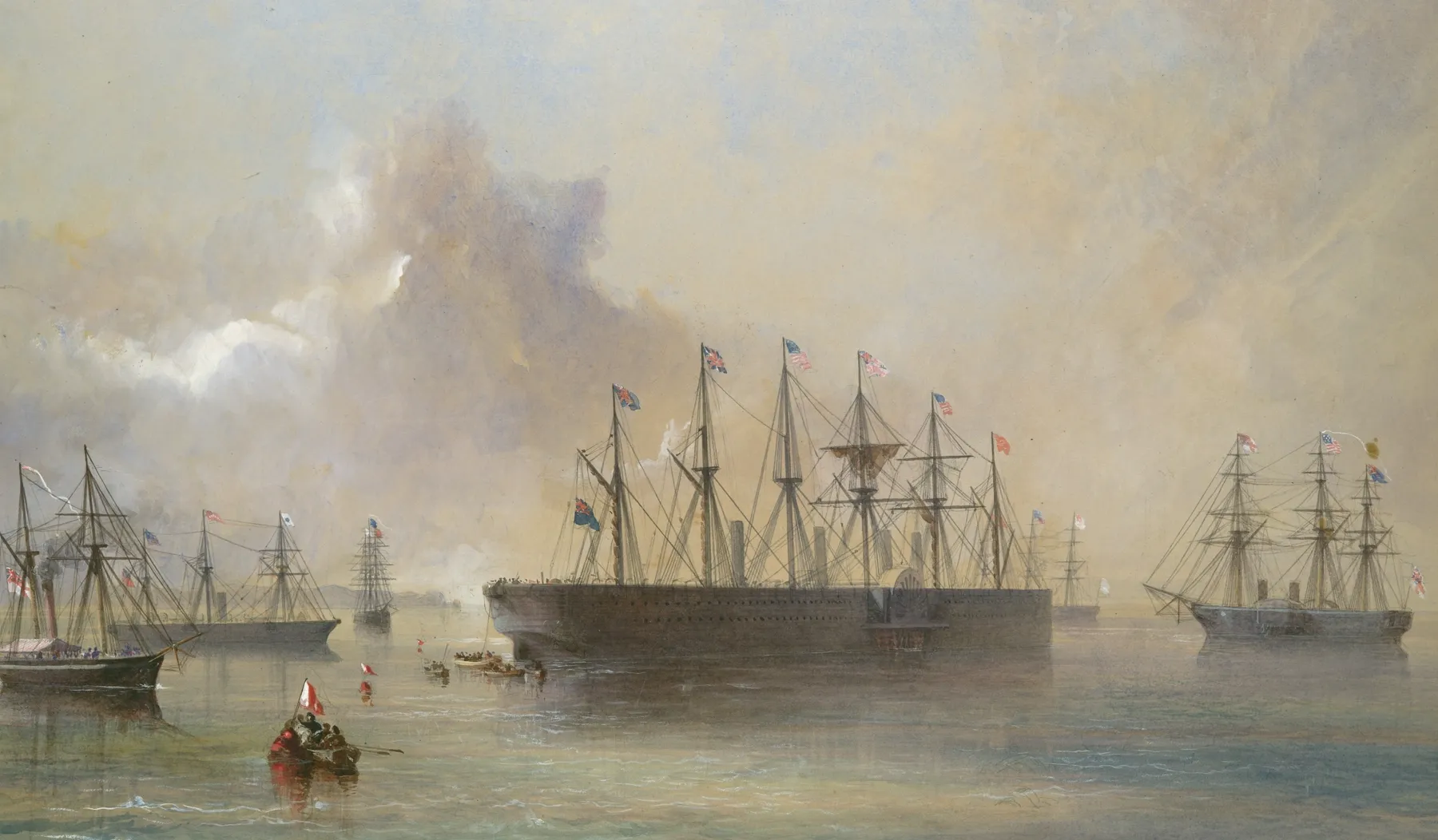
But it was no magic. Every network needed stations, operators, power, repairs and rules. A message could arrive quickly, provided it had a path. In August 1858, a cable on the floor of the Atlantic linked Europe and America for the first time. Queen Victoria’s 98-word greeting took about sixteen hours to transmit, and within a few weeks the cable failed. A lasting connection came only in 1866, thanks to the Great Eastern, then by far the largest ship in the world. Messages began crossing oceans without ship mail, in minutes instead of weeks.
And a new danger was born too. Once information began to flow at enormous speed, mistakes, frauds and bad decisions could travel just as fast. Between 1834 and 1836, the Blanc brothers of Bordeaux bribed an official of the state telegraph to smuggle signals from the Paris stock exchange into its messages. Speed alone never guaranteed truth.
The tape shows real International Morse code. Eight dots is the telegraph signal for “error”.
Dive deeperThe Towers That TalkedChappe’s optical telegraph: 534 towers, arms worked by ropes and crews who had no idea what they were passing on.
Tap Out Your Own Message
Write a few words and listen to how they would travel down the wire. The telegraph had no accented letters, so we send them without accents.
International Morse code according to Recommendation ITU-R M.1677-1. In 1844 Samuel Morse used an older American variant with different characters.
Chapter 5
When the Wire Spoke
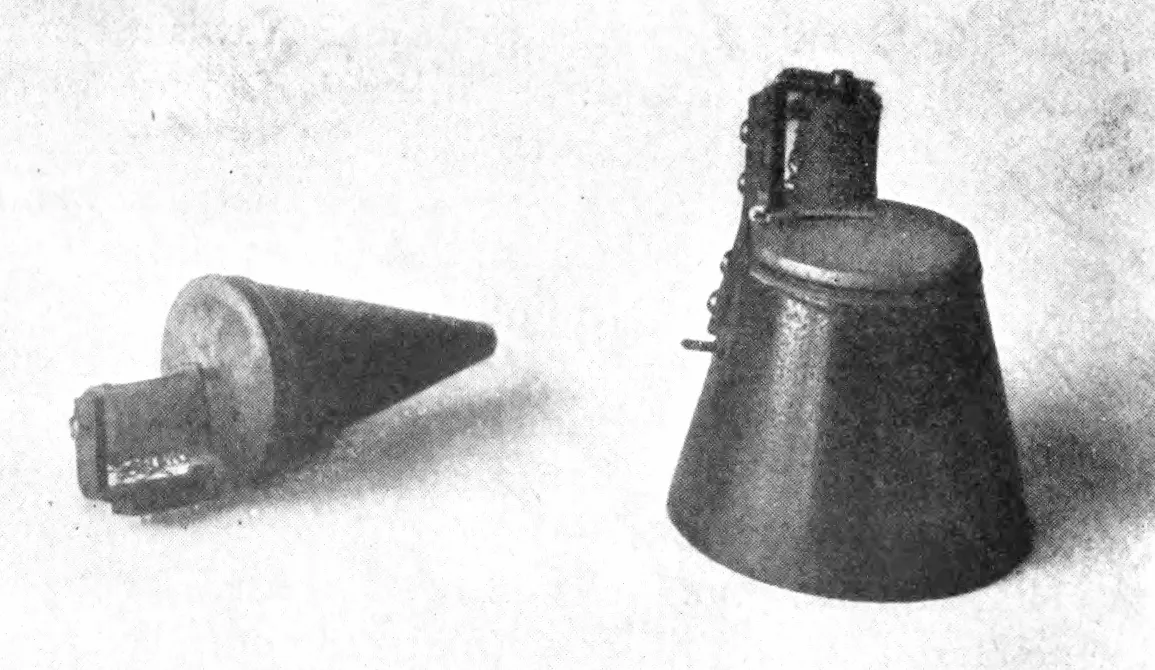
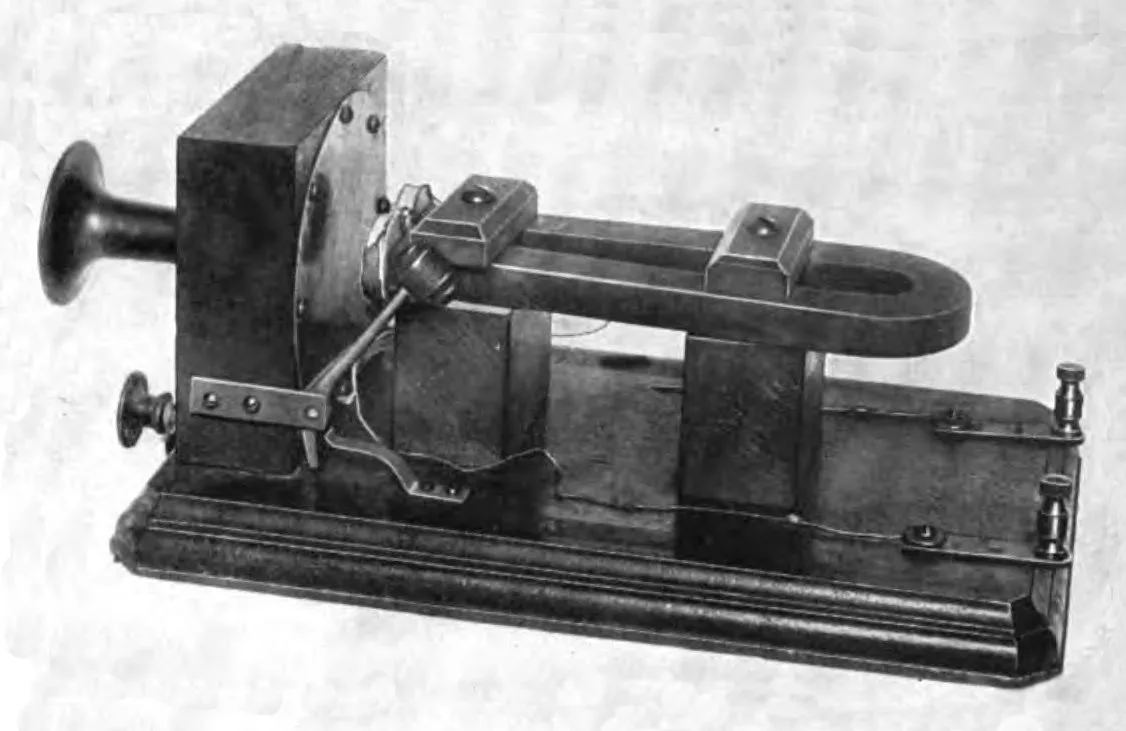

Boston, 10 March 1876. Alexander Graham Bell speaks into his apparatus while his assistant Thomas Watson sits in the next room. That day Bell wrote down: “Mr. Watson — Come here — I want to see you.” Watson came. He had heard every word. Bell had held the patent since 7 March, but Elisha Gray and Antonio Meucci had also been working on similar devices. The courts sided with Bell, yet the dispute over who was first goes on to this day.
A letter waits for you to open it. A telephone doesn’t wait. Either you pick up, or you don’t. And when you pick up, for the first time you can interrupt the other person, ask again, hear them hesitate. What imagination used to fill in with a letter suddenly had a sound.
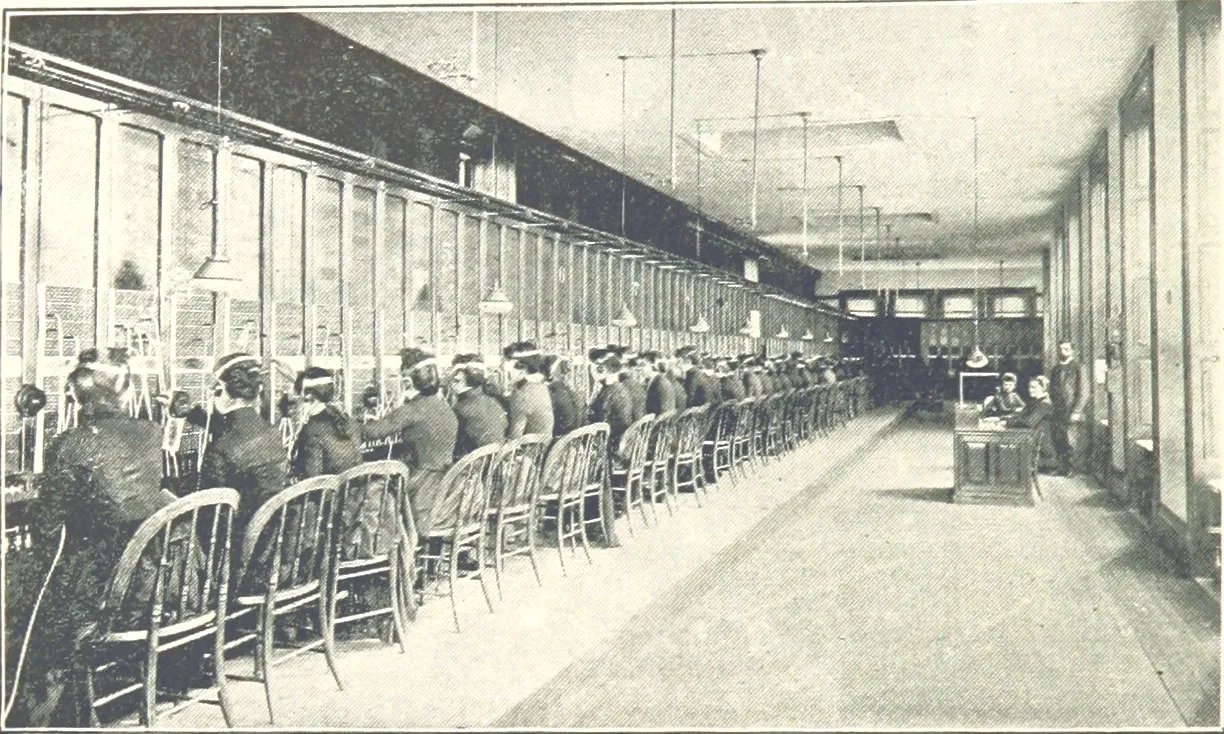
New Haven, January 1878. One of the first telephone exchanges starts operating in a small shop. It has 21 subscribers and can handle only two calls at once. Now there is someone else between you and the other person: the operator. At first the job was done by boys; in September 1878 Emma Nutt started work in Boston, and thousands of women followed her.
Prague got its exchange in 1882, in the U Rychtrů house on Malé náměstí. The first telephone directory had only a few dozen names. For a long time the telephone was not something every household had: even at the end of 1939, only about a third of families in the USA had one at home. And a call to another city had to be booked in advance, then you waited for the connection.
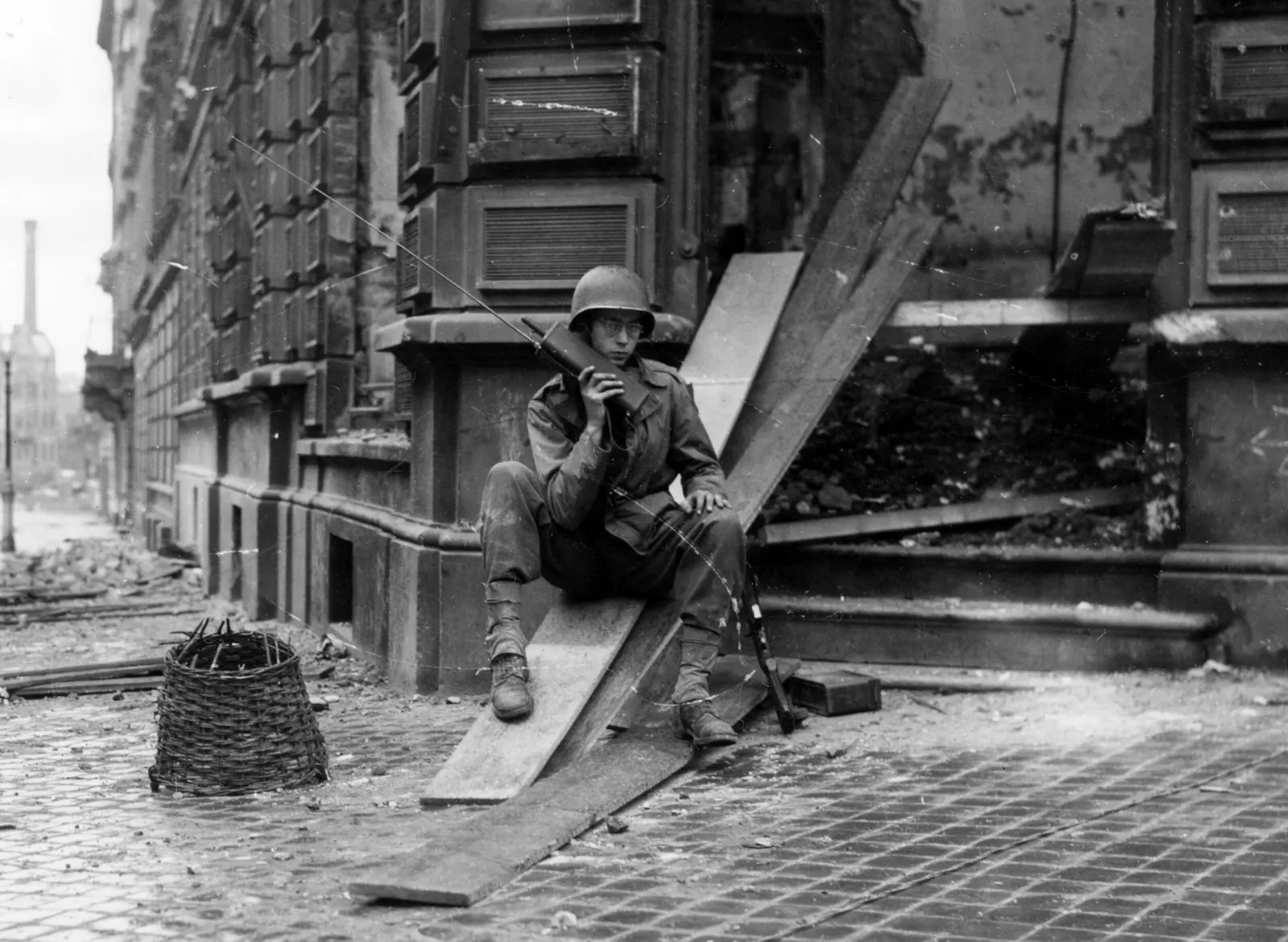
The radio brought the voice over distance too. The US Army’s handheld radio of 1942 weighed a little over two kilos and had a button: as long as you hold it down, you talk and the others listen. A telephone can do both at once; a radio only one at a time.
Then or Now?
The telephone didn’t just change how far we can be heard. It also changed what we expect from each other. Flip the card.
Every communication technology changes not only what we can do, but also what we expect of one another. Once, an unanswered phone meant nobody was home. What does it mean today?
Chapter 6
From Email to the Instant Message
A message no longer needs a stamp, an envelope or a postbox. In 1971, engineer Ray Tomlinson combined two programs on the ARPANET: one could leave a note for another user of the same computer, the other sent files to a different computer. To make it clear who the message belonged to and on which machine to find them, he separated the name from the computer with the at sign. In his words, the sign simply “made sense”.
And what did the first message say? No famous line. Tomlinson later admitted that the test messages were entirely forgettable, and so he forgot them. The widespread story about “QWERTYUIOP” is just a later legend.
On 3 December 1992, 22-year-old engineer Neil Papworth typed two words on a computer and sent them to the mobile phone of Richard Jarvis at Vodafone: “Merry Christmas.” It was not yet possible to type messages directly on a phone. But soon people were sending billions of them.
Then text began to change before our eyes. Messages gained photos, video, voice, reactions and group conversations. And writing is so easy today that we write even when we don’t really have much to say.
But this ease is not a given for everyone. According to the International Telecommunication Union, about 6 billion people were online in 2025. Roughly 2.2 billion do not use the internet, mostly in poorer countries and rural areas.
Chapter 7
Delivered. Read. No Reply.
Le langage est source de malentendus.
„Language is the source of misunderstandings.“
Once, you could still hope: maybe the messenger hasn’t arrived yet. Maybe a storm held up the letter. Maybe the ship hasn’t come in. Today we often know the message has arrived. Sometimes we even know the other person has opened it.
And still we don’t know the most important thing: what they thought, how they feel and whether they will reply. “Read” only tells you that the message was displayed. It says nothing about the person’s intentions.
Same Message, Different Meaning
The reply is the same every time: “Ok.” Choose who it came from.
A reply to your project proposal, at 23:40.
BossOk.
Approved? Or will it be taken apart in front of the whole team in the morning? At 23:40, “Ok.” can mean either. Or just that it was time for bed.
A reply to your message saying you won’t come on Sunday.
MumOk.
Has she accepted it? Or is she disappointed and doesn’t want to write it? A full stop from Mum can weigh more than a whole letter.
An argument yesterday, your apology today.
FriendOk.
Is it reconciliation? Or the end of the discussion? Here one phone call would say more than ten messages.
A reply to your message with the address of tomorrow’s meeting.
ColleagueOk.
They simply confirmed they have it. Don’t look for anything more. Sometimes “Ok.” really is just ok.
To your three long paragraphs about how you feel.
PartnerOk.
Two letters for three paragraphs. Maybe they can’t write right now. Maybe they don’t know what to say. Maybe this is a conversation that belongs at the table rather than on the phone.
The same two letters and a full stop. The meaning is filled in by the relationship, the situation and what happened between you before.
Digital communication has removed many practical obstacles, and at the same time brought new small uncertainties. Is a full stop at the end curt? Is a thumbs-up agreement, thanks or irony? Is silence a rejection, or just a phone put down? There is no universal translator for human context.
We have learned to send messages incredibly fast. But understanding still needs something that won’t fit into any transmission protocol: attention.
Chapter 8
What Comes After the Message?
A few centuries ago, a message that could cover hundreds of kilometres faster than a horse was a bold idea. Today a text crosses from continent to continent in an instant. What next? Here we need to be honest about what already exists, what is still being tested and what is, for now, just an idea.
Exists today
Translation mid-conversation
Apps can translate speech and written text almost instantly. They help when travelling and at work. But with jokes, idioms and subtle shades of meaning, they still get things wrong.
Whom do you believe when the translation gets it wrong?
Suggested replies and summaries
Email and chat apps offer ready-made short replies, and artificial intelligence can summarise a long thread in a few sentences.
What gets lost when you only read the summary?
Voice and captions for everyone
Screen readers read messages aloud to blind people; automatic captions transcribe speech for deaf people. For many, this is not a convenience but access to communication in the first place.
In development
Writing by thought
In clinical studies, brain implants have enabled people with severe paralysis to write text or speak with a synthetic voice. So far it involves a small number of patients, and the technology is a long way from everyday use.
An assistant that replies for you
Many assistants can already draft a message. But systems are also being tested that would handle correspondence on their own, arrange meetings and reply in your name.
Will the recipient know it isn’t you writing?
Hypothesis
A message without words
Transferring a thought or a feeling directly from mind to mind, without language. No such technology exists today. What remains is science fiction, and the question of whether we would even want it.
As of October 2026. Technology changes fast, so each card shows how far along it really is.
The line between help and substitution deserves questions. Who decides what a message is meant to say? What gets lost in automatic shortening? And will the recipient know whether they are talking to a person, or to a system acting in that person’s name?
The future of communication may not be one big invention. More likely a series of small decisions: whom we entrust with our own words, and what we keep to ourselves.
Epilogue
We Are Still Waiting for a Reply
At the beginning of this story, a person stood on one hill and needed to tell something to a person on another. Between them lay a valley.
Today we would hardly notice that distance. We would take out a phone, type a few words and press Send. A movement so small we barely pay it any attention.
Yet behind that simple gesture lie thousands of years of human patience, ingenuity and error. Every signal, messenger, letter, cable and protocol solved a piece of the same problem. And one part has been left to us.
What is it you really want to say to another person?
Sometimes “I’m okay” is enough. Sometimes “I’m sorry.” Sometimes “Come to the party, I’d love to see you.” And sometimes it is a message we keep to ourselves for a long time, because we don’t yet know how to begin it.
We have learned to deliver messages almost instantly. But writing the one that really matters still takes a while.
Continue the story
Dive deeperThe Journey of a MessageSeven networks of messengers, from Persia to besieged Paris. How they worked and how long a message really took.
Dive deeperThe Towers That TalkedChappe’s optical telegraph: 534 towers, arms worked by ropes and crews who had no idea what they were passing on.
Dive deeperAn Invitation From VindolandaOpen Claudia Severa’s birthday invitation: the original, the Latin transcription and an English translation.
All articles about the story
 lettersWhen the World Smelled of InkThe Brownings’ courtship, Abigail Adams’s “Remember the Ladies,” a birthday invitation from Vindolanda and a prison letter that could not be sent. How much life fits on a sheet of paper?
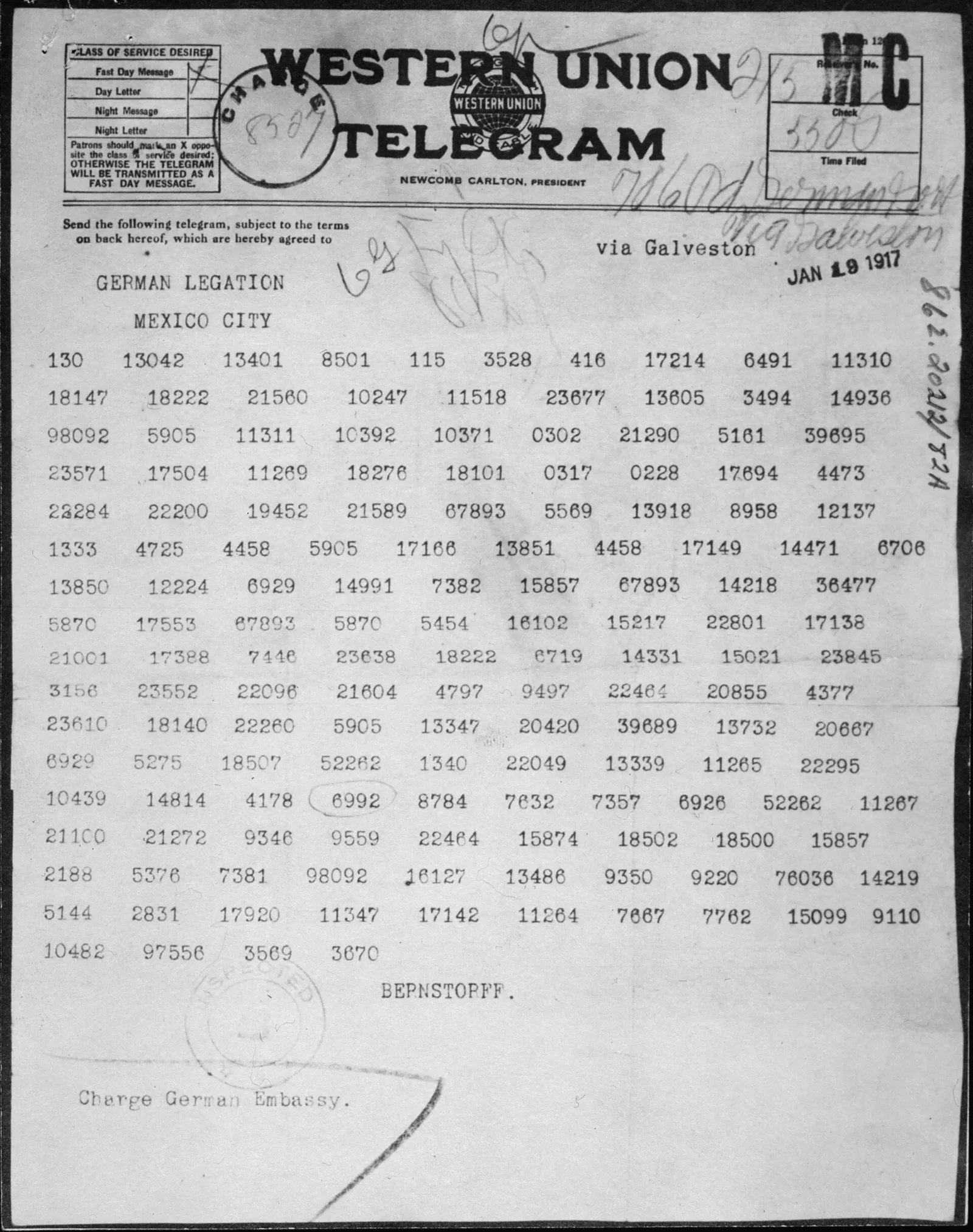 historyLetters That Changed HistoryA letter that waited two months for a president. A telegram the enemy decoded. Letters published against their author’s will. And a censor who read every word.
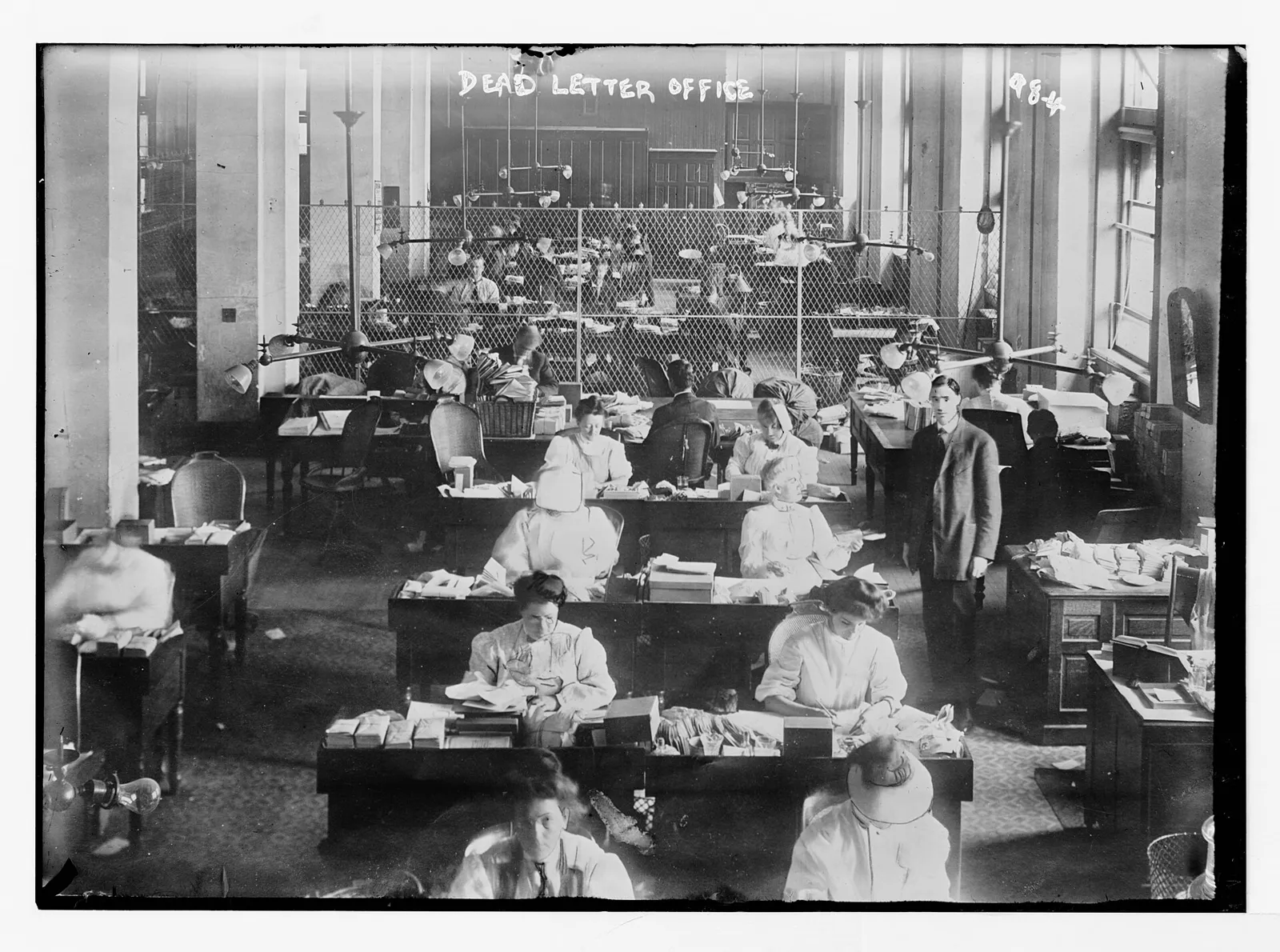 postWhen a Message Gets LostWhat happens to letters that can be neither delivered nor returned? From America’s office for “dead letters” to Czech Post’s undeliverable-mail depot in Brno.
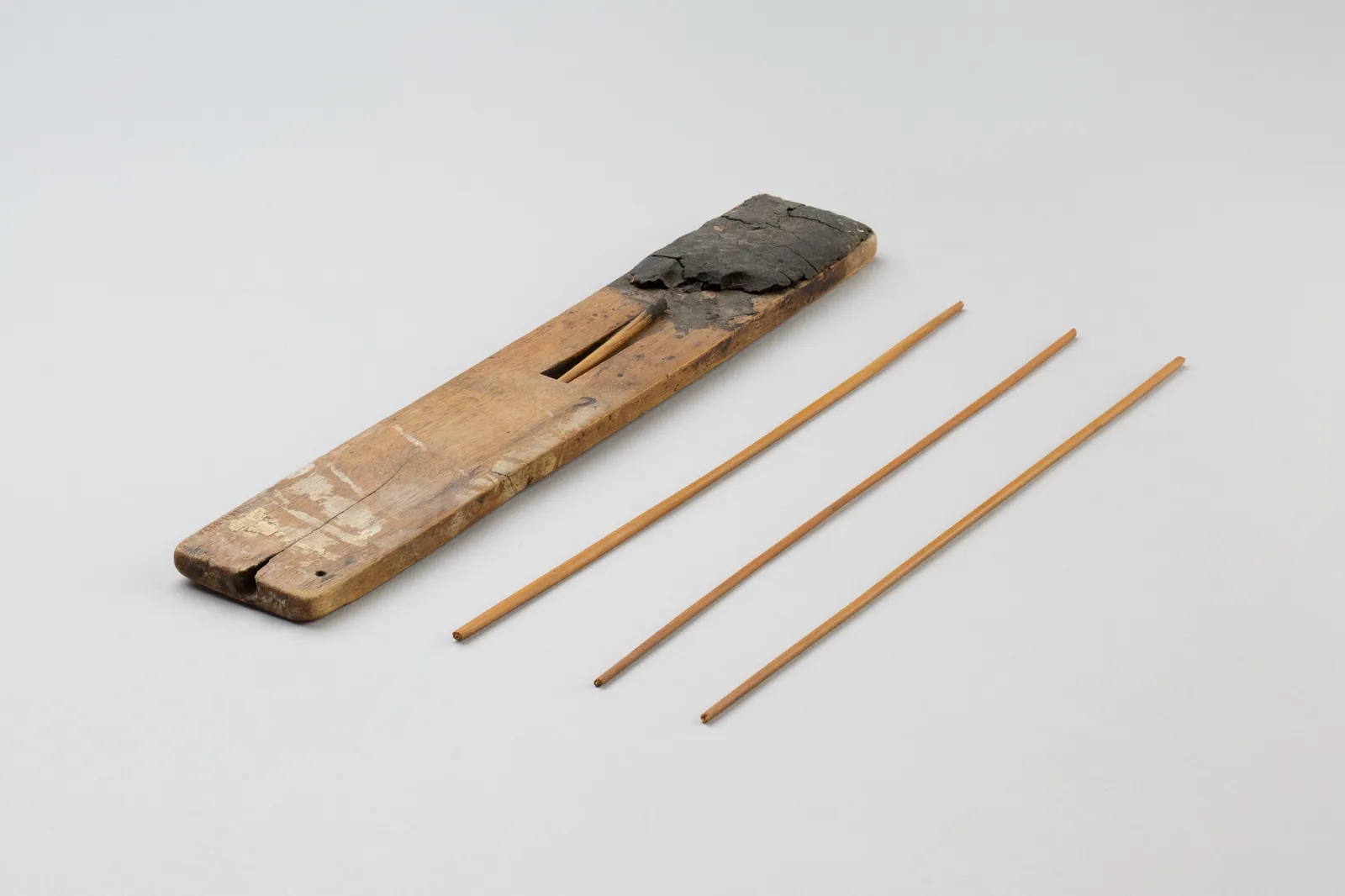 writing toolsThe Story of the Pen: From Goose Quill to MontblancReed, quill, steel nib, fountain pen and ballpoint. How the tool that makes words has changed, and why none of them has a single inventor.
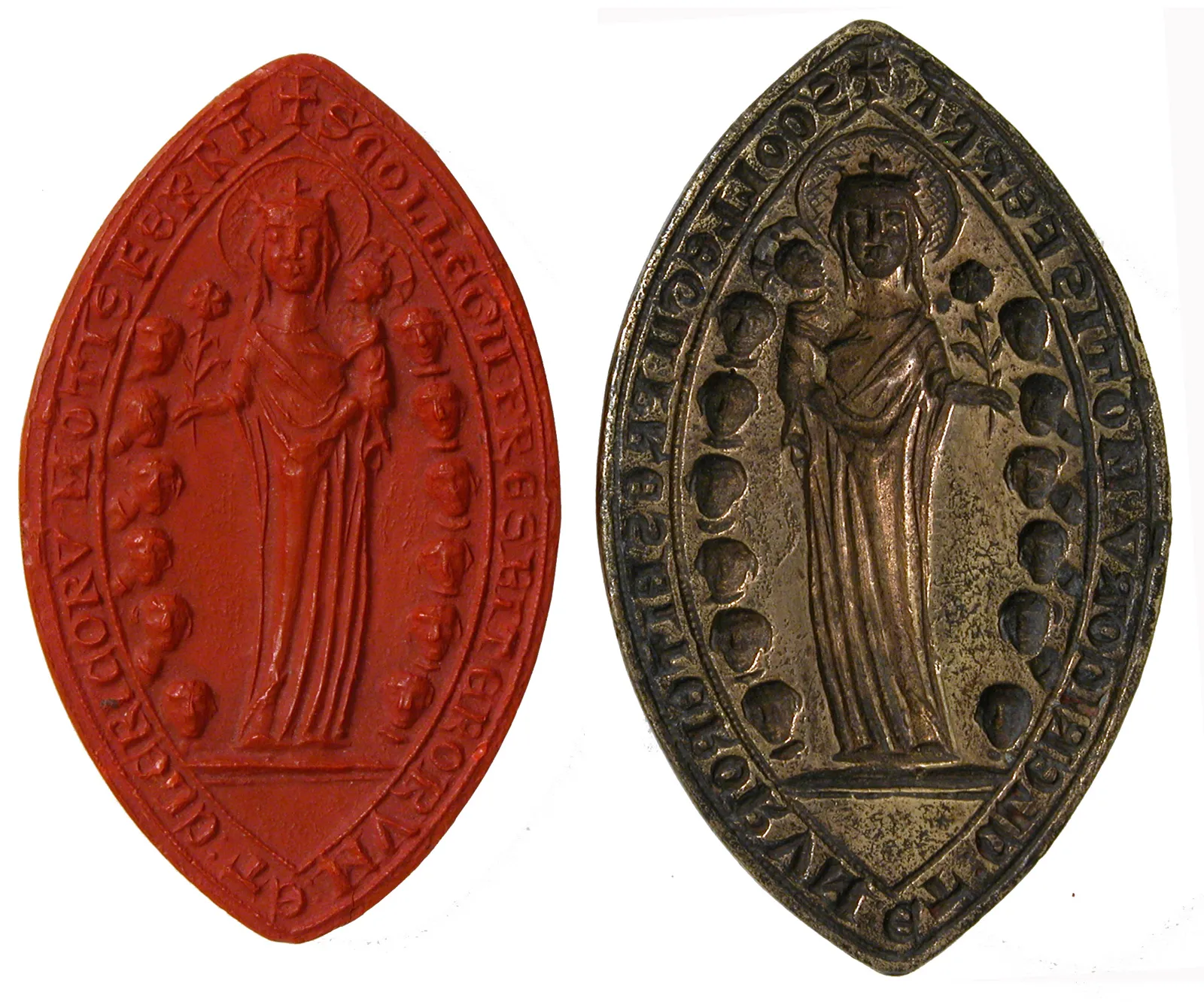 trustFrom Wax Seal to Digital SignatureA seal, a locked letter and a digital signature all answer the same question: who sent the message, and did anyone change it along the way? Each in a completely different way.
 handwritingWhy Handwritten Letters Haven’t DisappearedPostal services deliver fewer and fewer letters, and yet people keep writing them. What we really know about handwriting and letters, and what just gets repeated.
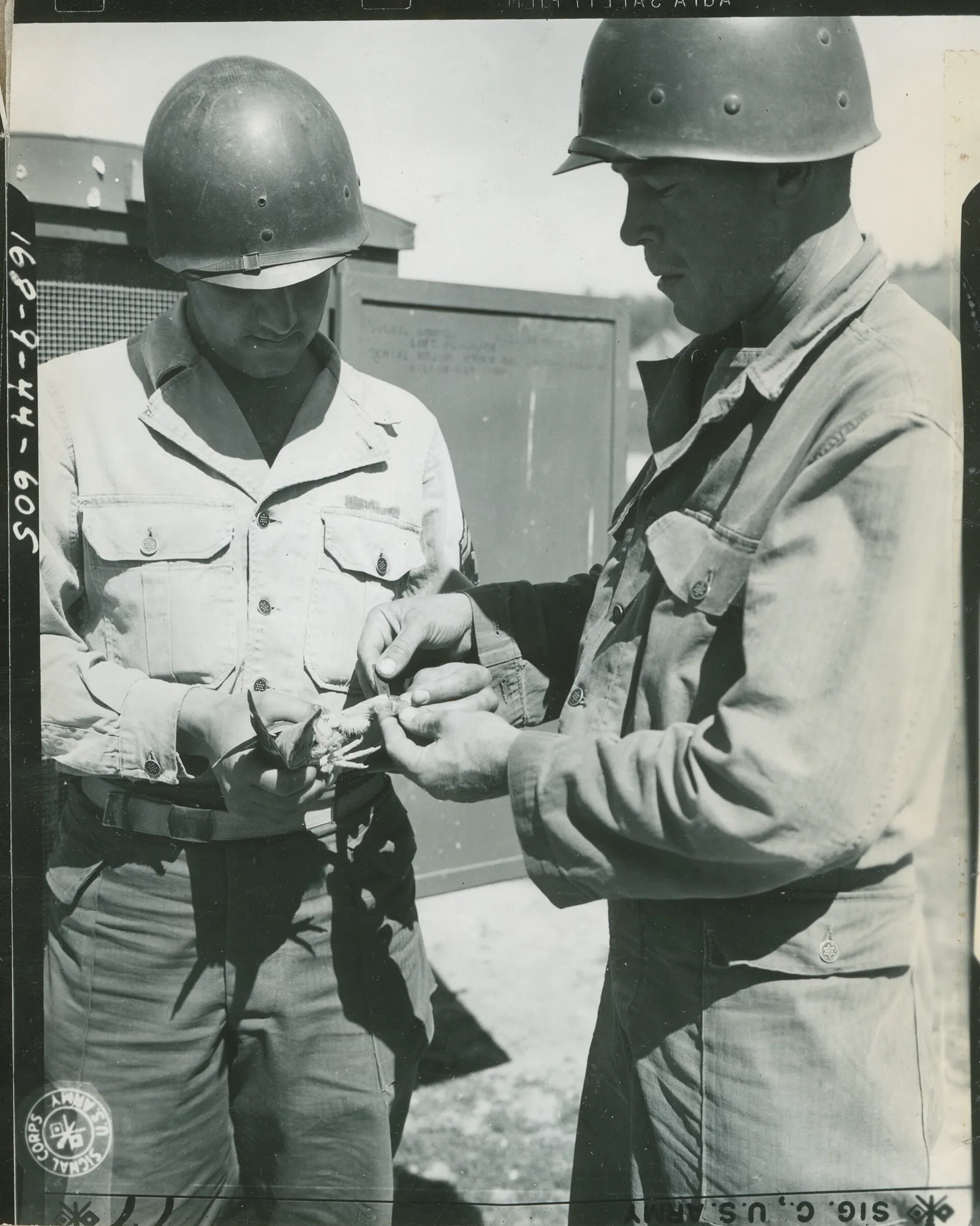 natureHoming Pigeons: How They Find Their Way HomeA pigeon doesn’t know an address. It only knows the way home. What science knows about its navigation, what is still a mystery and what is just legend.
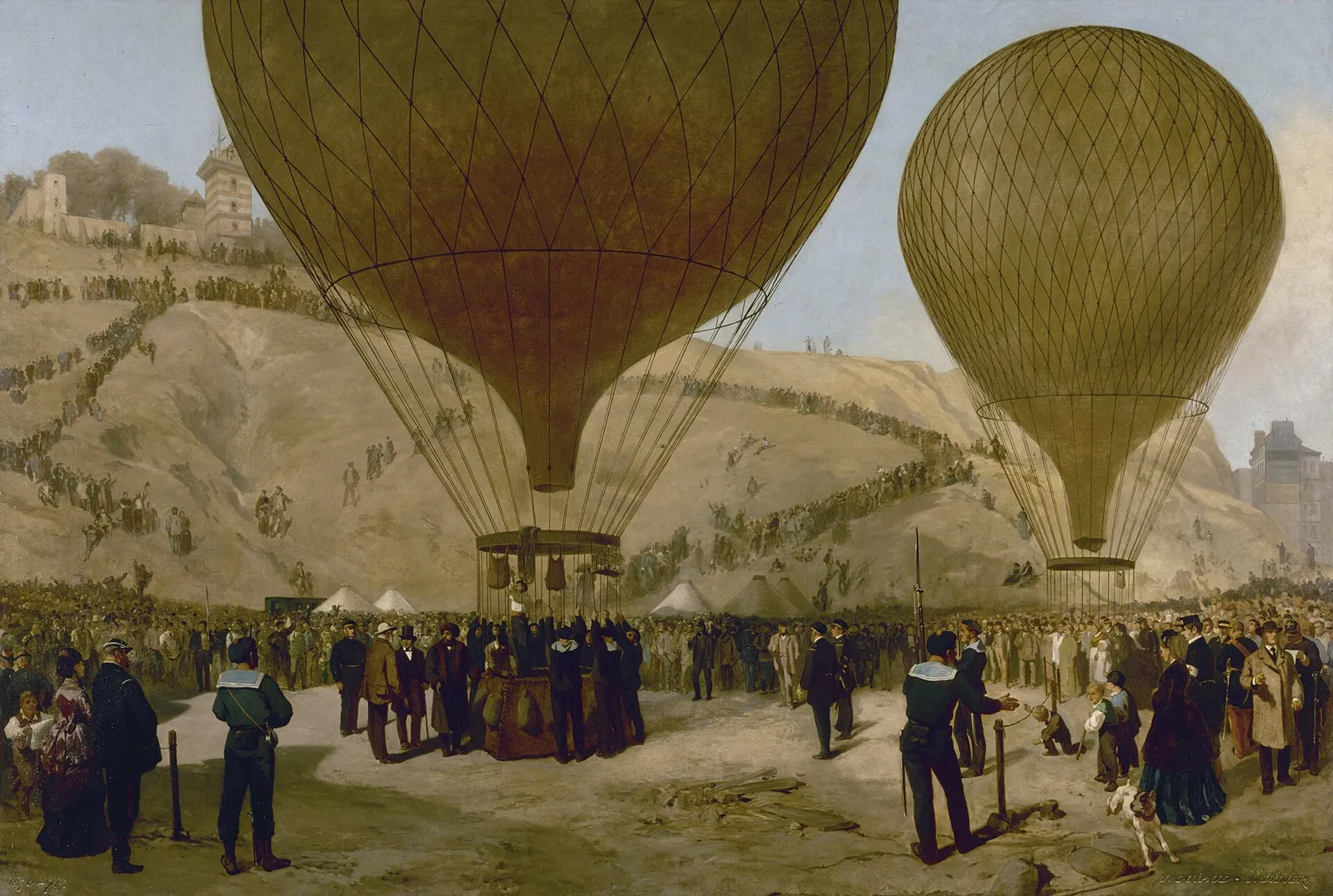 historyWhen Paris Sent Messages by BalloonThe siege of 1870–1871: 67 balloons, microfilm in a pigeon’s tail feather and zinc balls floated down the Seine. How to communicate from a sealed-off city.
 symbolsWhy @ Became the Symbol of EmailWine merchants knew the at sign in the 16th century, the first typewriters lacked it and it nearly vanished from keyboards. Then came email.
 mobileThe First SMS Had Just Two Words“Merry Christmas,” 160 characters, writing without diacritics and billions of messages. How the short message changed mobile communication, and why it hasn’t quite disappeared.
 emojiFrom :-) to EmojiA smiley from a university message board, faces made of punctuation in 1881 and the first emoji from Japan. Why written text misses a smile so much.
 glossaryLOL, IDK and Other Mysteries of Digital SpeakWhat LOL, IDK, TBH and TL;DR mean, why the Czech “nvm” is not the English NVM, and why 🙂 doesn’t have to mean a smile. A glossary for every generation.