Magazine
Why Handwritten Letters Haven’t Disappeared
You Have a New Message · handwriting
You can type a message in ten seconds and it arrives instantly. A handwritten letter takes half an hour, needs a stamp and spends several days on the road. And yet people still write them.
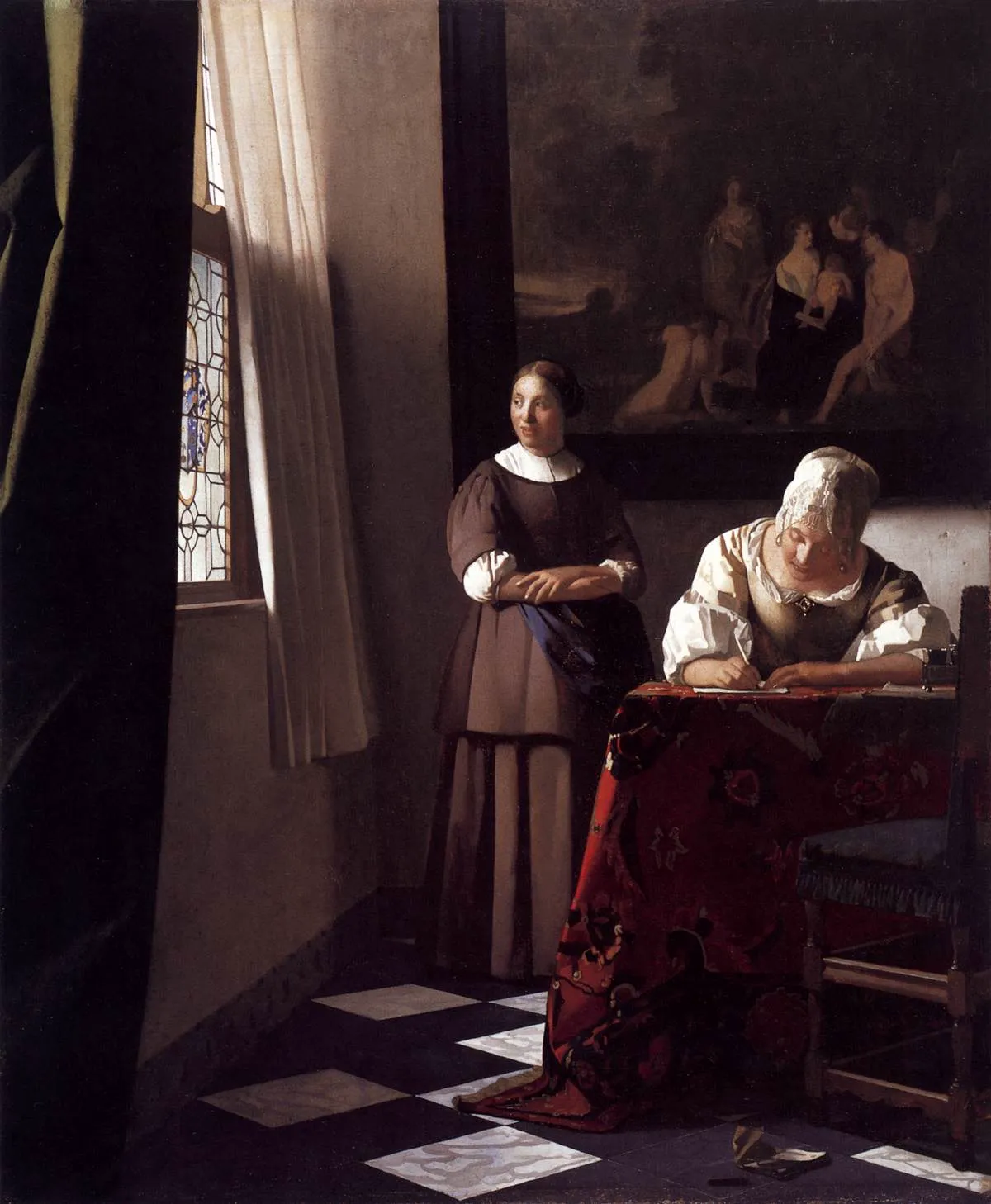
Why? The usual answers sound scientific, but there isn’t much science behind them. Let’s try to answer honestly.
Letters Are Dwindling. Fast.
According to the Czech Telecommunication Office, the number of standard letters delivered by Czech Post fell by 17 percent in 2025, to about one hundred million. Parcels, on the other hand, increased. Public authorities, banks and companies have moved to the state’s electronic data boxes and to email.
But those numbers only show that there is less mail in general. How much of it is personal, handwritten letters is not tracked by any statistics, in Czechia or in Europe. Anyone who claims that “people have stopped writing letters” can’t prove it. Anyone who claims the opposite can’t either.
Do You Learn Better by Hand? It’s Not That Simple
A well-known 2014 study by Mueller and Oppenheimer found that students who took notes by hand answered conceptual questions better than those using laptops. The explanation was that on a keyboard people tend to transcribe word for word.
But a direct replication of that study in 2021 did not confirm the advantage of handwriting. Laptops led to longer, more verbatim notes, but test results were the same. Another study, from 2024, did show that the brain is more interconnected when writing by hand, but it measured only 36 people and did not measure how much they learned at all.
The honest conclusion: handwriting is no miracle aid. Nor is it pointless.
What We Know About Letters That Bring Joy
Other research is more interesting. In 2018, psychologists Amit Kumar and Nicholas Epley had people write a letter of gratitude to someone who had helped them in life. The writers then estimated how the recipient would feel. They consistently underestimated how pleased and surprised the recipient would be, and overestimated how awkward it would feel.
The study did not compare handwriting with email. But it shows something that holds for every personal message: we tend to underestimate what it means to someone when we take the time for them.
So Why by Hand
A handwritten letter shows the effort. It is an object you can keep in a box, read twenty years later and recognize by the handwriting who wrote it. It can’t be forwarded with a single tap, and it doesn’t vanish when you change phones.
These are not scientific claims but reasons people give themselves. And that is probably why condolences, wedding wishes, notes to the maternity ward and letters to children at summer camp are still written by hand.
When a Message Is Better
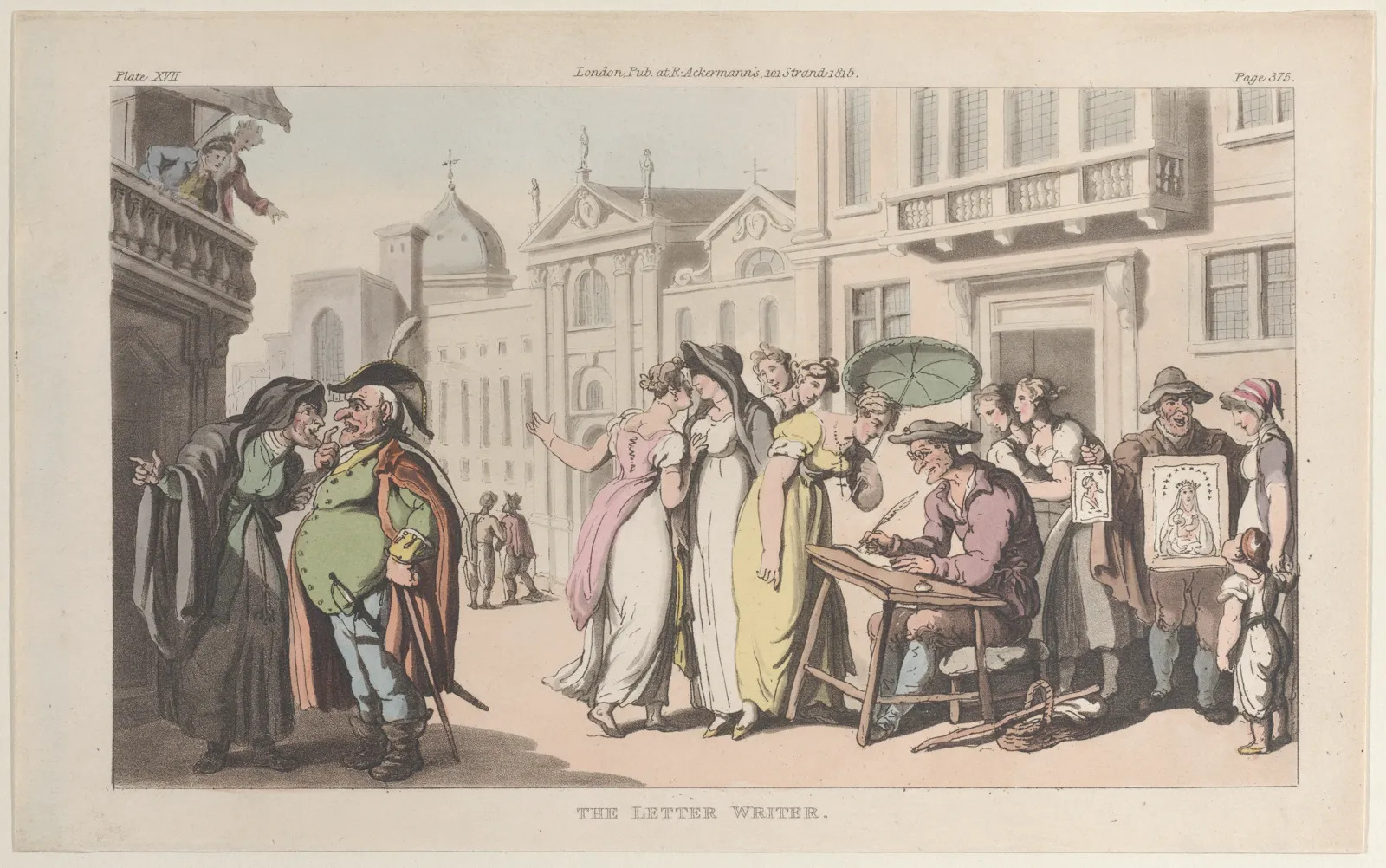
Sometimes speed matters more than paper. “We got here safely” isn’t worth sending by post. A digital message can be personal, funny and moving.
It isn’t a contest. It’s about choosing the route that suits what you want to say.
A handwritten letter is no longer a necessity. Perhaps that is exactly why it carries more weight: when one arrives, you know that nobody had to write it.