Magazine
The Story of the Pen: From Goose Quill to Montblanc
You Have a New Message · writing tools
Before a message could set off on its journey, someone had to write it. And for that they needed a tool.
The history of the pen is not a straight line from quill to fountain pen. It is hundreds of small improvements, patents, disputes and mistakes. And it doesn’t begin with a goose quill.
Before the Quill: Impression and Brush
The earliest scribes in Mesopotamia did not write in ink. With a reed stylus they pressed signs into damp clay. Museums hold Sumerian tablets more than five thousand years old, such as an administrative record of barley distribution.
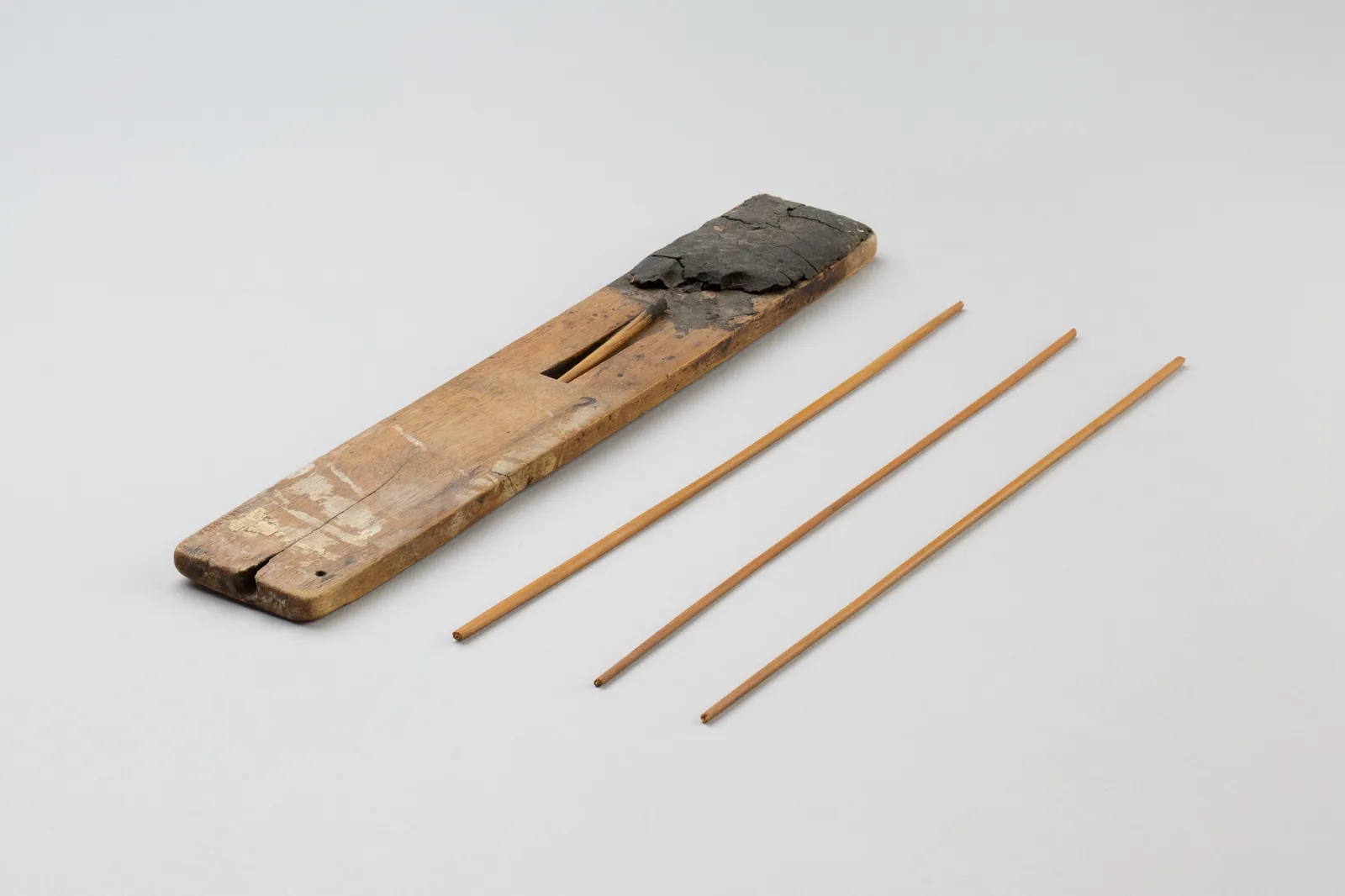
In Egypt, writing worked differently: ink on papyrus. A scribe carried a wooden palette with wells for pigment and thin reed pens. One such palette in New York’s Metropolitan Museum still has an unused cake of black ink in its well.
The Goose Quill: Elegant but Demanding
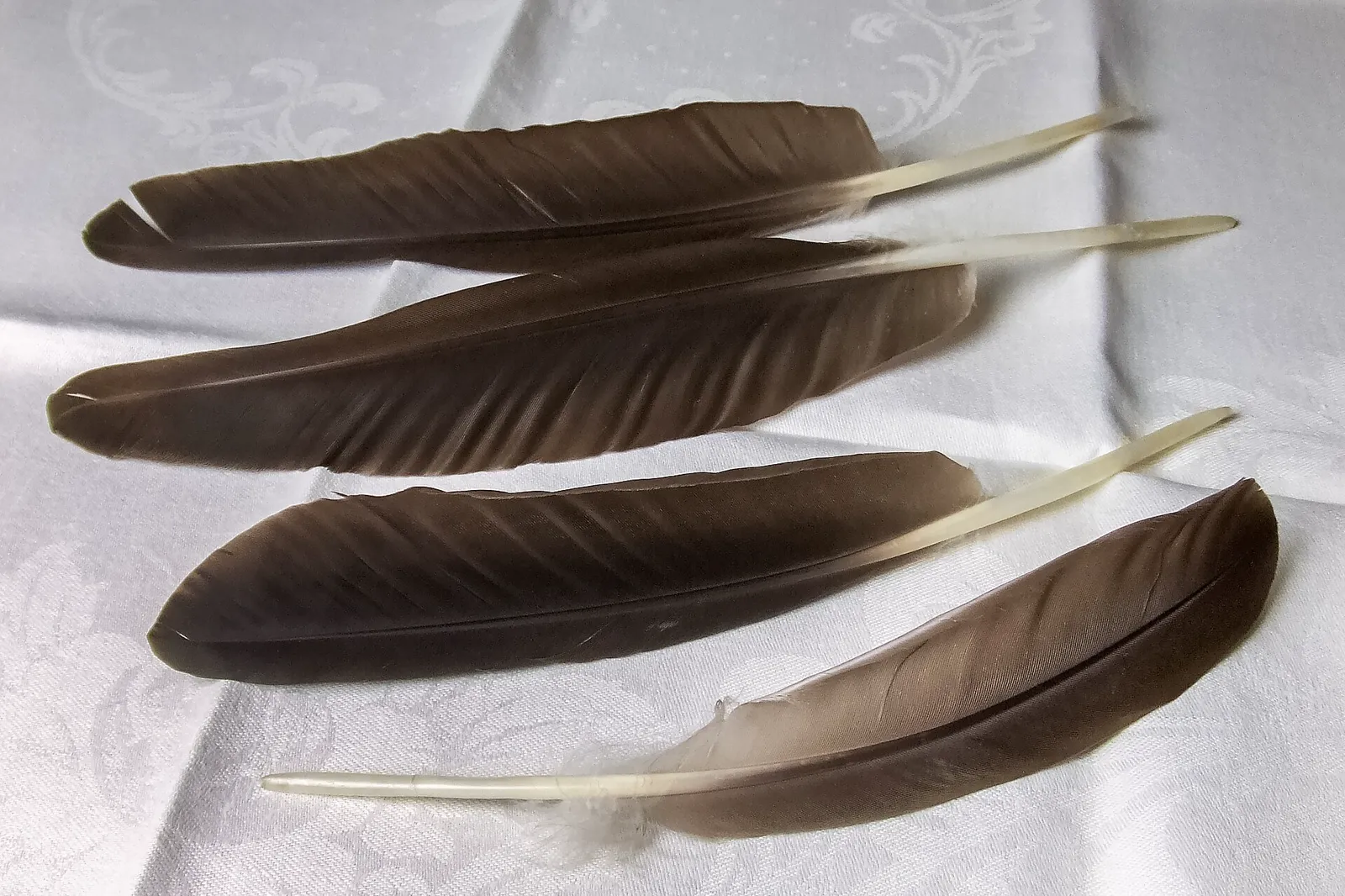
In paintings the quill looks romantic. In practice it was a tool that constantly needed trimming. The writer needed a small knife, hence the English word penknife, and the skill to split and shape the tip properly. According to London’s Victoria and Albert Museum, that skill came only with long practice.
Those who couldn’t do it bought pens prepared by a professional cutter. A mechanical quill cutter appeared at the end of the 17th century, but according to museum records it gave poorer results than the hand.
The Steel Nib and the Women of Birmingham
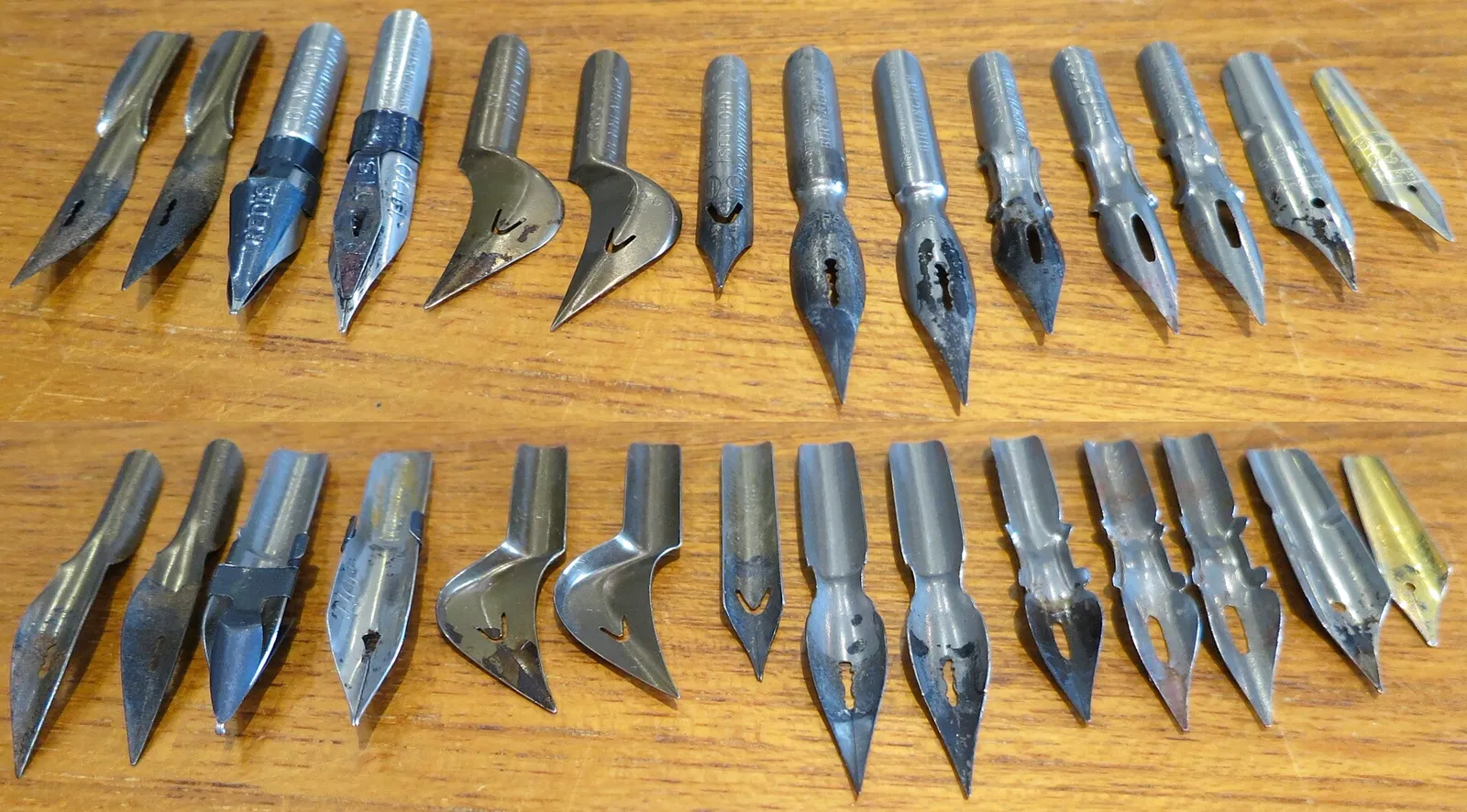
Steel nibs already existed at the beginning of the 19th century. London’s Science Museum has examples made by the Bryan Donkin company between 1803 and 1813. The real breakthrough came, though, when Birmingham began stamping nibs out by machine, just like buttons.
Around 1850, according to a contemporary estimate, 300 men and 1,550 women and girls worked there in twelve factories. Every week they produced more than nine million nibs. Writing became cheap for schools, offices and households alike.
The Fountain Pen: A Story Without a Single Hero
A pen with its own ink supply has no single inventor. The oldest surviving examples date from the early 18th century, and the first English patent was granted in 1809. The biggest problem was always the same: the ink either wouldn’t flow, or it all came out at once.
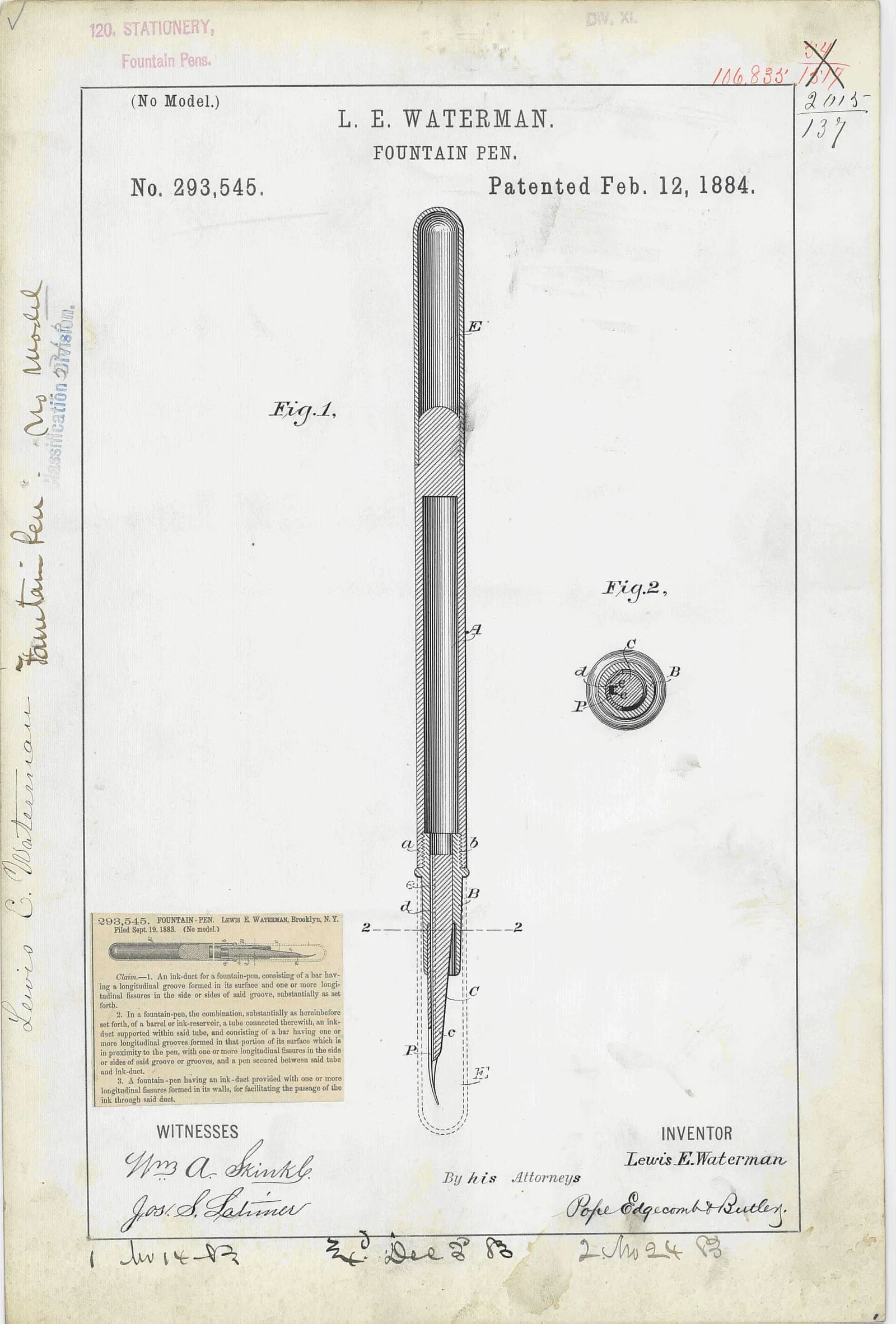
On 12 February 1884, Lewis E. Waterman of Brooklyn received a US patent for a feed. Ink ran down a groove to the nib while air moved the other way, so the flow regulated itself. The company later claimed that Waterman had invented “the first practical fountain pen.” Historians consider that claim as widespread as it is untrue.
The Little Ball That Conquered the World
The American John J. Loud patented a ball as a pen tip as early as 1888. His pen was meant for leather and wood; it was too coarse for paper. It was the Hungarian journalist László Bíró who made it work for writing. He filed a British patent in 1938 and another in 1943 from Buenos Aires, Argentina.
In 1950 the Frenchman Marcel Bich launched an improved version under the BIC brand. According to the German Patent and Trade Mark Office, more than one hundred billion BIC Cristal pens have been sold. The writing instrument became something nobody bothers to look for when it goes missing.
The Pen as a Gift and a Keepsake
In the same century that the pen became a consumer item, it also became a personal object. The Hamburg company Montblanc launched its Meisterstück line in 1924. The typical cigar shape, however, came only in 1949, and the large model 149 in 1952, not in 1924, as is sometimes written.
A luxury pen is not the peak of the pen’s evolution. It plays a different role: a graduation gift, the signing of a contract, an object handed down. It writes just like a cheap pen; you simply think harder about what you are going to write with it.
The Pen Today
Today we write with a stylus on a tablet, with a brush in calligraphy and with an ordinary ballpoint on a note for the fridge. Handwriting has not disappeared. It has simply stopped being the only way to put down a word.
The tool may have changed. But the first line on an empty page still belongs only to you.