Magazine
From Wax Seal to Digital Signature
You Have a New Message · trust
How can you tell that a message really came from the person whose name is at the bottom? And that nobody rewrote it on the way?
People have been looking for answers to these two questions for thousands of years. Wax, paper and mathematics each answer them differently, and none of the answers is perfect.
The Seal: An Impression of Authority
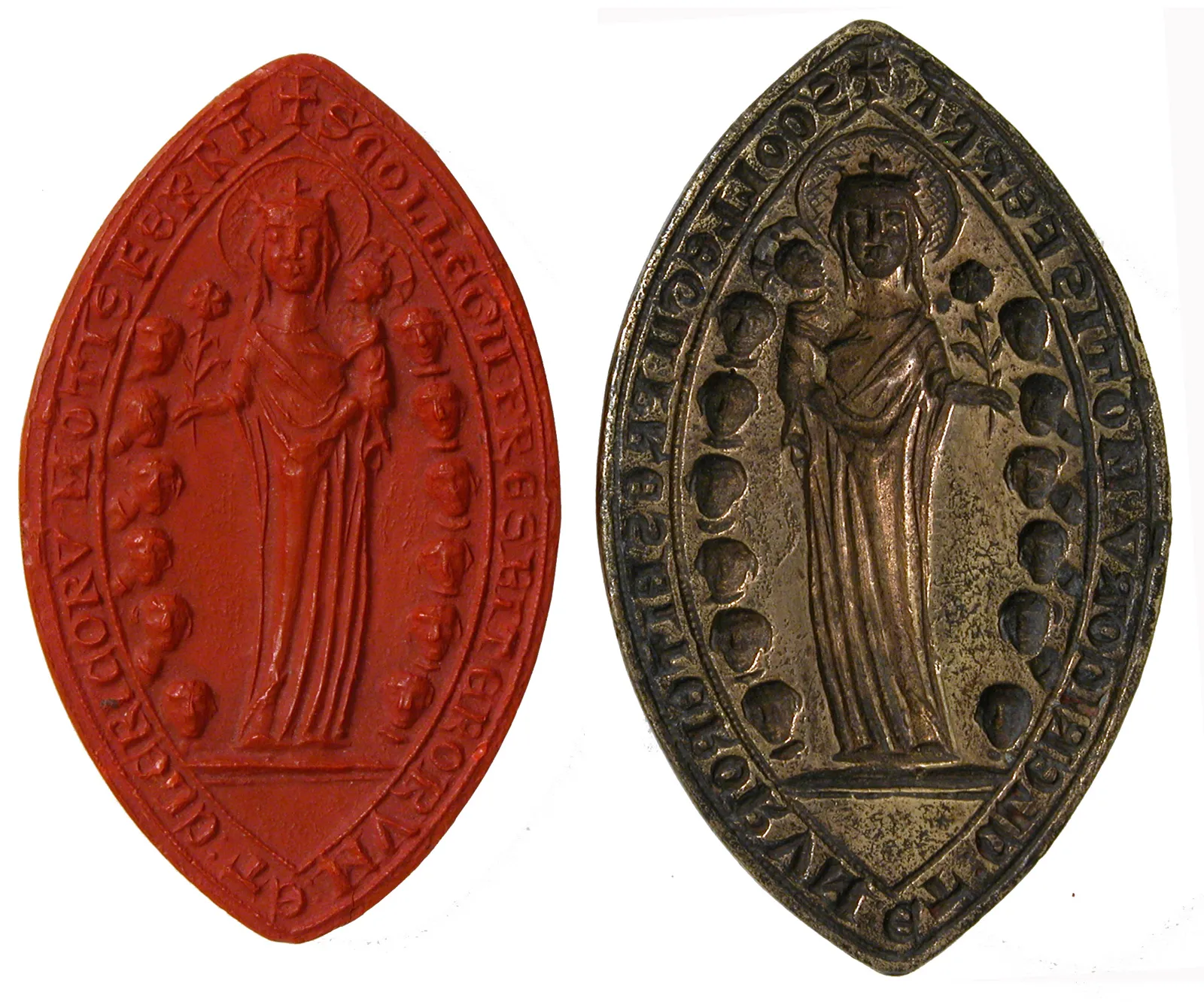
A seal is the impression of an engraved matrix in wax or clay. The ancient Egyptians already knew sealed letters: the Metropolitan Museum holds a sealing from a letter of the scribe Heqanakht that is almost four thousand years old. In Mesopotamia, cylinder seals were rolled across clay.
In the Middle Ages a seal authenticated documents much as a signature does today. And at the same time it literally closed the document. But Britain’s National Archives point out a catch: seal matrices were lent out, and men of lower rank commonly used ready-made, impersonal seals. So an impression proved that someone had used a seal matrix. Not necessarily who.

When Even the Seal Lies
The most famous forgery in Central Europe is the Privilegium Maius. Around 1358, Duke Rudolf IV of Austria, a Habsburg, had a whole set of charters forged to raise the standing of his dynasty. The charters hang on coloured cords with wax seals and look thoroughly respectable. That they are forgeries has been known for almost two hundred years.
So a seal protected against accident and against the ordinary snoop. Not against a powerful and determined fraudster.
The Letter That Locks Itself
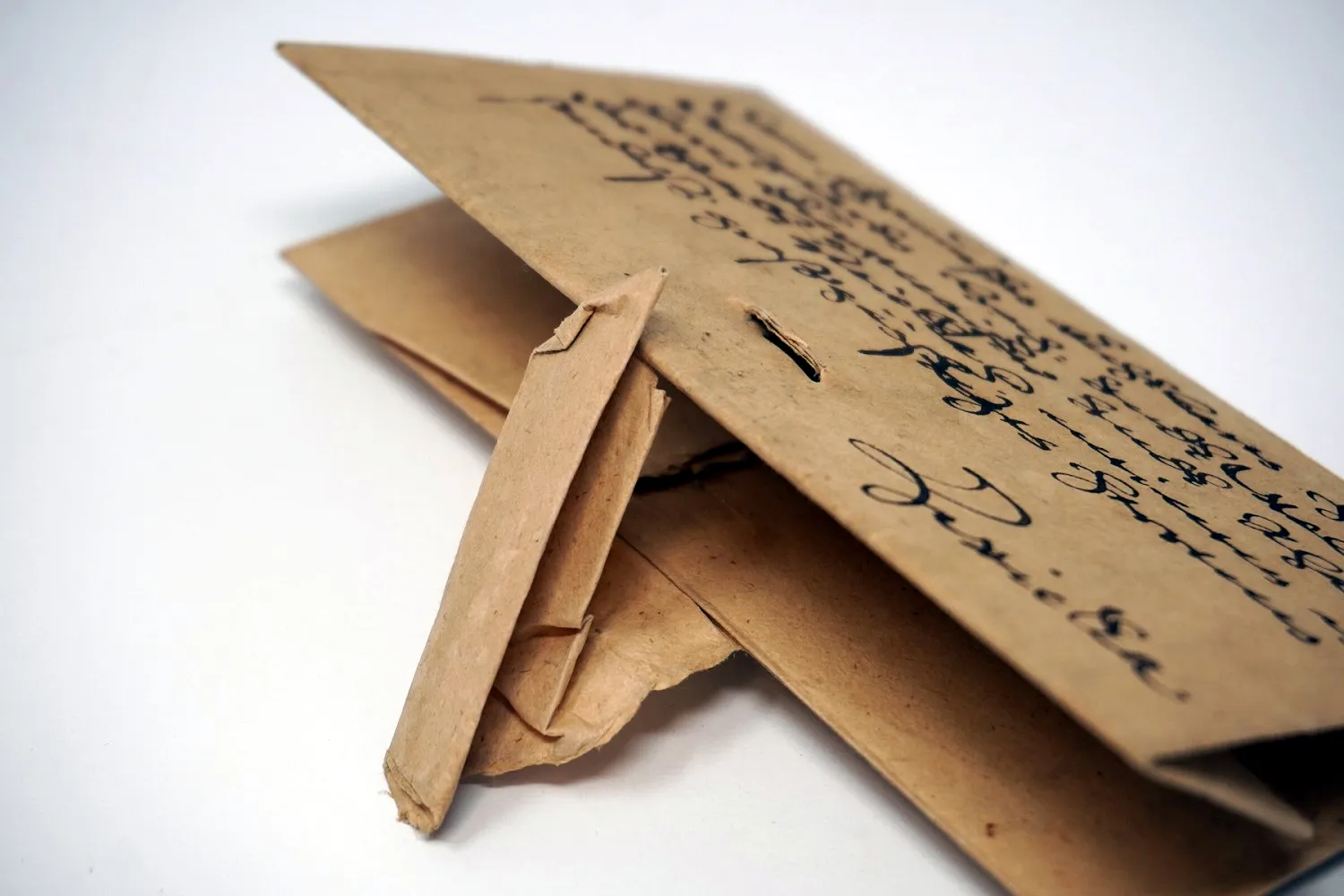
Envelopes have been in common use only since the 1830s. Before that, a letter was folded, slit and threaded so that it became its own envelope. Researchers call this letterlocking. A good lock was damaged beyond repair when opened, so the recipient could tell that someone had opened the letter.
A postmaster’s trunk some three hundred years old has survived, holding 577 letters that were never opened. In 2021, scientists “opened” them with X-rays without breaking a single fold.
The Digital Signature: Mathematics Instead of Wax
In November 1976, Whitfield Diffie and Martin Hellman published a paper that opened up public-key cryptography. A year later Ron Rivest, Adi Shamir and Leonard Adleman proposed the RSA system, which can also produce digital signatures. Britain’s intelligence agency GCHQ had in fact arrived at a similar discovery earlier, but kept it secret for another 24 years.
The principle is easy to explain: the signer has a private key that only they know, paired with a public key that anyone can have. A signature made with the private key can be verified with the public one. If a single character in the document changes after signing, the verification fails.
In the European Union, a qualified electronic signature has the same legal effect as a handwritten one. Companies and public authorities also use electronic seals, which verify where a document came from.
What Seals and Signatures Can’t Do
Here it helps not to mix up two things. A seal on a letter hid its contents until someone broke it. A digital signature doesn’t hide the contents at all. The US standard for digital signatures lists three tasks: detecting changes to the data, verifying who signed, and preventing the signer from denying it later. Secrecy is not among them. That is what encryption is for, and encryption is a different tool.
And not even the best mathematics can tell whether the signer knew what they were signing, or whether someone stole their key. Just as with wax: technology protects the message, not the judgement of the people around it.
A seal, a paper lock and a string of numbers all do the same job: they give the recipient a reason to trust. But that reason was never one hundred percent, and it isn’t today either.