Where to Fish: From the Local Pond to the Big Trips
One piece of advice before we start: check your permit first. Only then begin explaining at home that you really are going for just one day.
You don’t have to go to the ends of the earth for a proper angling adventure.
Some anglers have a spot they would not swap for anything. They know every tree on the bank, every bend of the river and where the fish hold after rain. Others like to explore: a big reservoir one time, a flowing river the next, and after that perhaps a mountain stream where they try to outwit a trout instead of a carp.
Czechia and Slovakia have plenty to offer them: vast reservoirs, lowland rivers, the side arms of the Danube and cold currents below the Tatras. We have picked ten areas that show how varied fishing here can be. It is not a ranking of the best waters, nor a guarantee of a catch. It is an invitation.
10 ×
Ten waters on one map
Click a point to see what kind of water is waiting there. The map shows areas, not the exact boundaries of fisheries. Always check those with whoever manages the water.
Orlík Reservoir · Central and South Bohemia, River Vltava
Big water for big plans
A long, deep valley reservoir with steep, broken banks and the flooded valleys of the Vltava, Otava and Lužnice.
Orlík holds more water than any other Czech reservoir and is around 74 metres deep at the dam. Walking up to the nearest bank and casting is not enough here. You have to think about depth, the shape of the bottom, how the fish move and what the water level is doing.
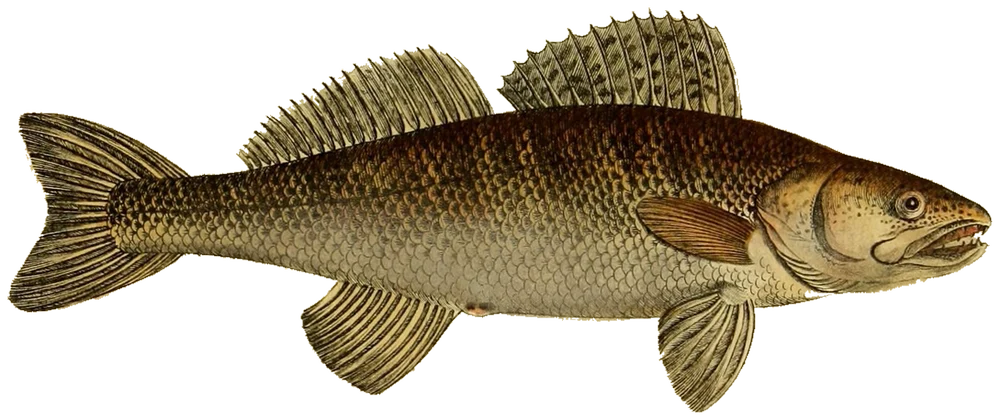
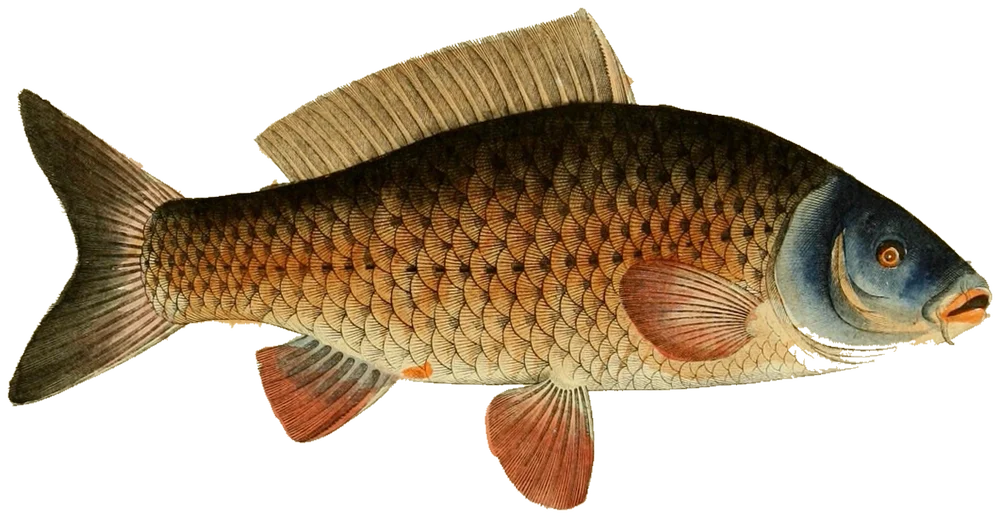
Carp anglers will find bays and broken banks. Predator anglers look for drop-offs, deeper water and the places where shoals of small fish gather.
Who it suits Carp anglers, predator anglers and anyone who wants to try a really big water.
‘There is so much water at Orlík that the fish has a very decent chance of being somewhere else entirely from your bait.’
The lower part of the reservoir, above the dam at Solenice. · Czech Anglers’ Union: waters run by its Council, including Orlík ↗
Lipno Reservoir · Šumava (Bohemian Forest), South Bohemia, River Vltava
The South Bohemian sea
A vast, fairly shallow reservoir with open water, quiet bays and weather that likes to change.
Lipno is nicknamed the South Bohemian sea, and fairly so: it is the largest body of water in Czechia. Open water alternates with broken shoreline and bays. Predator anglers profit from knowing where the fish hold through the year, carp anglers from a well-chosen swim.
The wind has a big say here and can whip up proper waves on the open water. And with the Šumava hills, footpaths and cycle routes all around, the trip is far easier to justify at home.
Who it suits Lovers of reservoirs and predators, and family trips.
‘You tell the family you’re off to the Šumava. The rods somehow got into the car by themselves.’
The middle of the reservoir near Dolní Vltavice and Černá v Pošumaví, where Lipno is at its widest. · South Bohemian branch of the Czech Anglers’ Union: Lipno fishery ↗
The Labe (Elbe) · Central and North Bohemia
A river that teaches you to read the current
A big lowland river with faster stretches, weirs, harbours and calmer, deeper water.
The Labe is a different challenge from a reservoir. Current, changing levels, river traffic and a shifting bottom make it a water where you have to understand how the water moves. The feeder angler looks for enough weight to hold bottom. The lure angler works the current seams and the snags.
Nor is it a single fishery. The stretches differ in character, fish and rules, so what holds at Mělník may not hold at Ústí.
Who it suits Feeder anglers, river carp anglers, lure anglers and more experienced anglers who enjoy changing tactics.
‘On a river you can cast exactly where you want. The current, however, is entitled to its own opinion.’
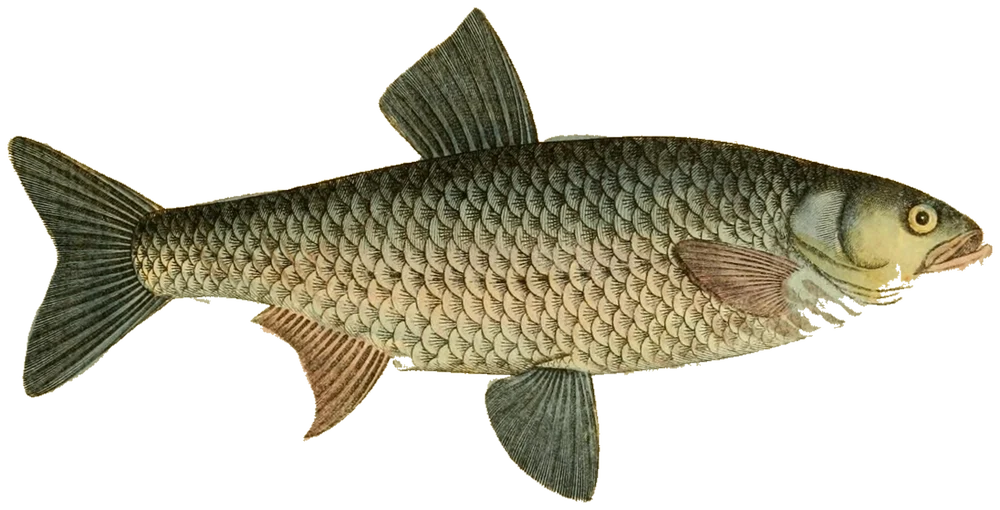
The stretch below Střekov Castle in Ústí nad Labem, by the Masaryk lock and weir. · Czech Anglers’ Union: list of fisheries ↗
The Dyje and Nové Mlýny reservoirs · South Moravia, below the Pálava hills
Moravia’s world of carp and predators
Three shallow lowland reservoirs on the Dyje and, below them, a river with side arms and pools.
The Nové Mlýny reservoirs are vast and shallow, so wind, temperature and where the fish are holding at that time of year decide everything. Around the Dyje you can add river stretches and side arms. Several entirely different waters sit within a small area.
These waters belong to the Moravian Anglers’ Union and are not one fishery. The middle reservoir is also a nature reserve and belongs mainly to the birds. On a first visit, pick a specific fishery first and read its conditions.
Who it suits Carp anglers, predator anglers and anyone who wants to explore varied lowland waters.
‘In South Moravia there is a risk the trip will run on. And this time it may not be only because of the fish.’
The lower (Novomlýnská) reservoir at Pavlov, below the Pálava hills. · Moravian Anglers’ Union: map and list of fisheries ↗
Šumava and foothill rivers · The Šumava (Bohemian Forest) and its foothills: the Otava, the upper Vltava and their tributaries
Water for the fly angler
Cold, fast rivers with stony beds, riffles and pools.
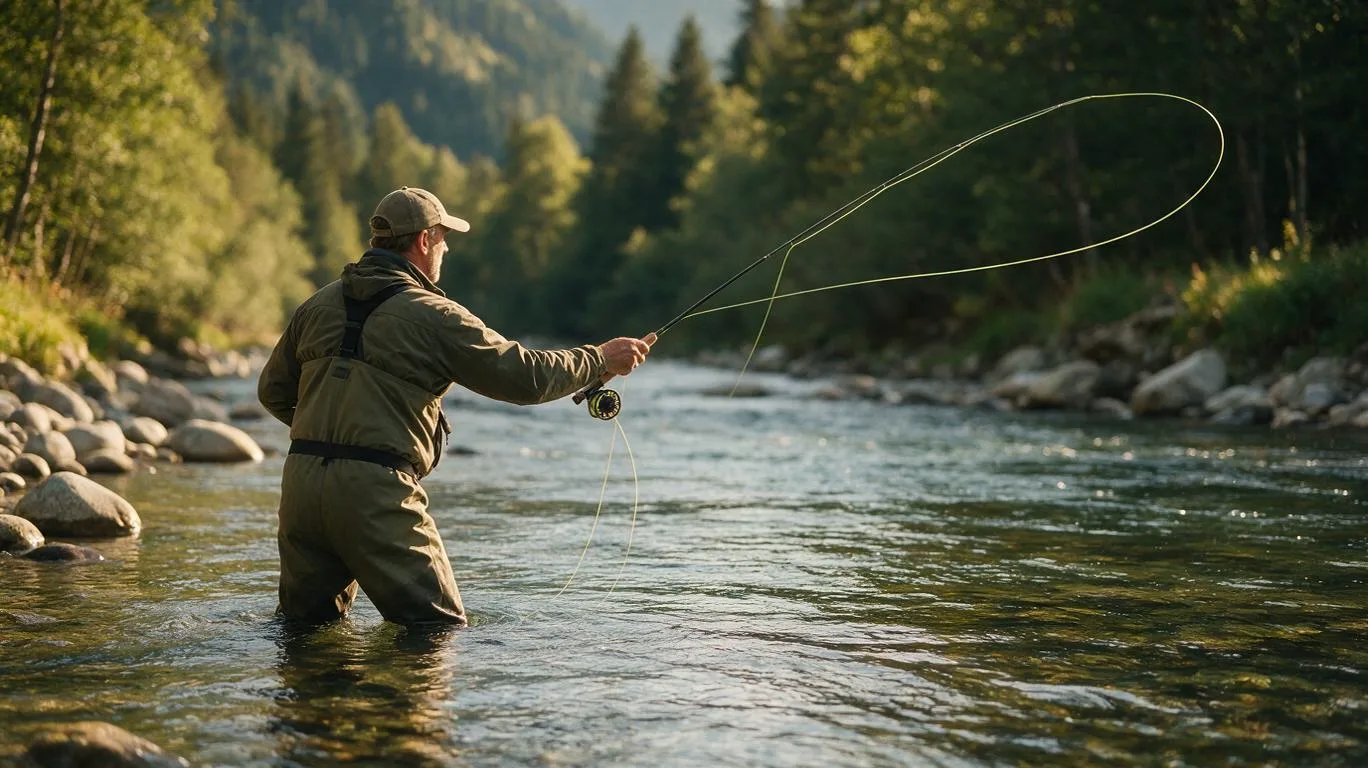
Anyone who knows fishing from ponds and reservoirs will be surprised by a foothill river. Casting distance does not matter; judging where a fish lies in the current and what it is taking does. The fly angler watches the insects, the current seams and small changes in depth, and tries to make the fly drift as naturally as possible.
Some of the Šumava waters lie inside the national park, and a river being beautiful does not mean you may fish it. A lovely river and an accessible fishery are two different things.
Who it suits Fly anglers, more experienced light-lure anglers and anyone drawn to trout water.
‘Here twenty centimetres can decide it. And the fish will gladly show you how far out you were.’
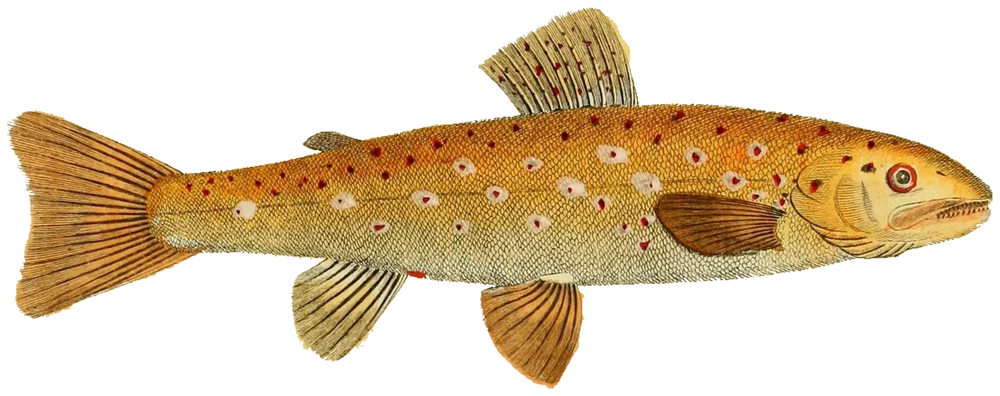
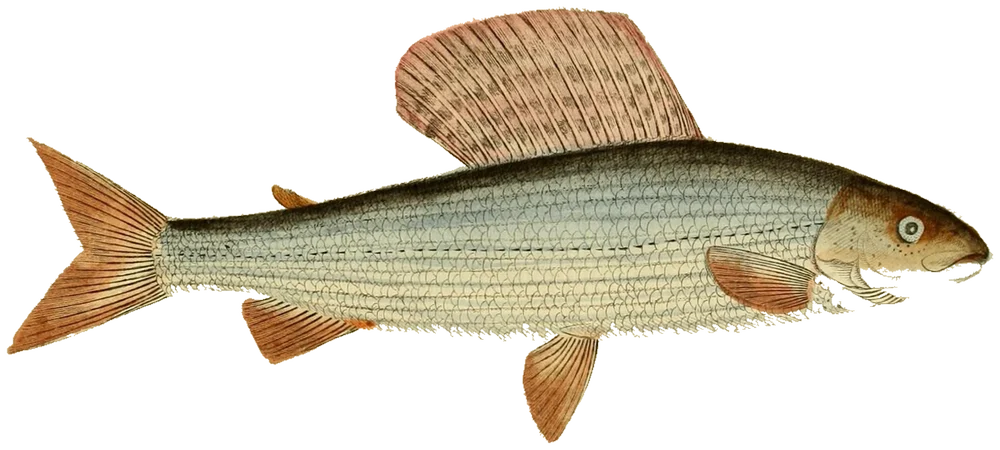
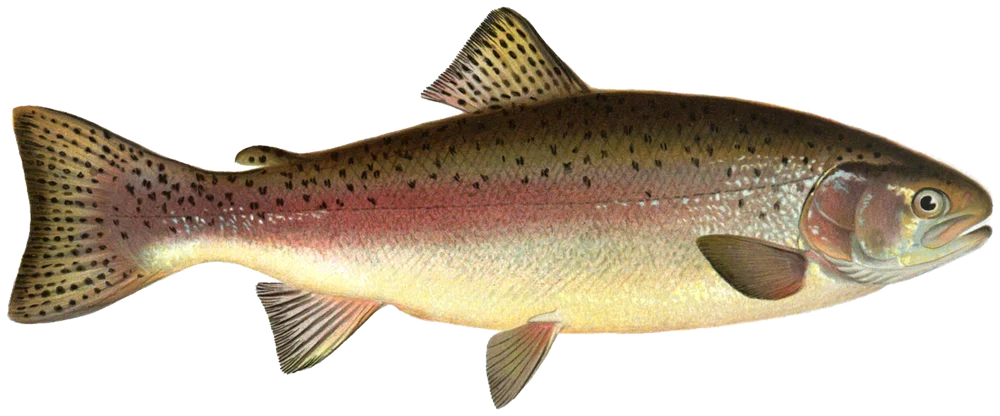
The Otava at Sušice, a classic trout and grayling stretch. · Czech Anglers’ Union: list of fisheries (filter by trout water) ↗
The Dunaj (Danube) and its side arms · Bratislava, the Danube lowlands and southern Slovakia
A great river with many faces
A mighty river with fast stretches, a vast impoundment, canals and side arms among floodplain forest.
The Danube is a world of its own. In places it is a broad, powerful current; elsewhere it spreads into side arms and quiet bays. Within a short journey you meet waters that call for completely different tactics: in the current you reckon with the force of the water and fish around snags, in the arms you look for carp and their relatives.
The Gabčíkovo waterworks, with its reservoir at Čunovo, is a chapter of its own. One more thing: in places the Danube is a border river, so it pays to know which bank you are standing on.
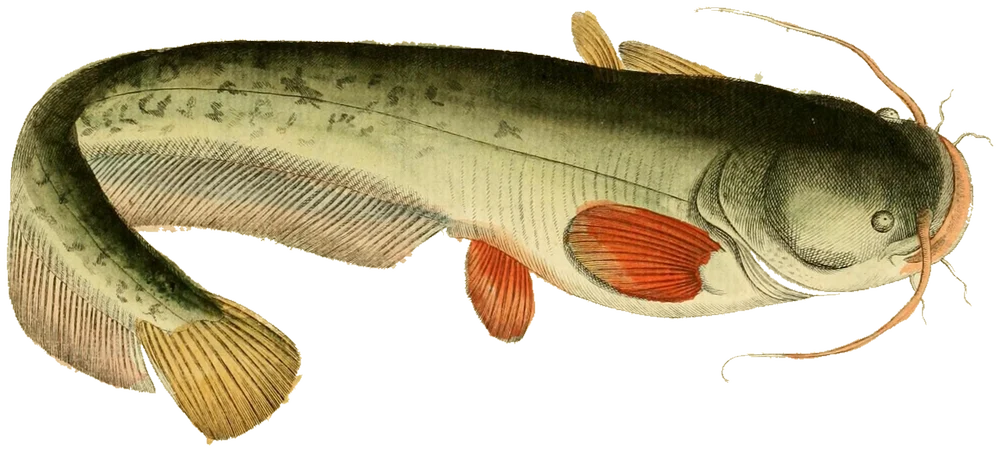
Who it suits Anglers after catfish and other predators, feeder anglers and river carp anglers.
‘On the Danube there is so much water in front of you that you start to wonder whether you should have brought a map instead of a third rod.’
The Hrušov–Čunovo reservoir below Bratislava, near Hamuliakovo. · Slovak Anglers’ Union: fishing regulations with descriptions of waters ↗
Liptovská Mara · Liptov, northern Slovakia, River Váh
Fishing with the Tatras on the horizon
A large valley reservoir on the Váh, ringed by mountains, with open water, bays and big differences in depth.
Liptovská Mara is one of the largest and best-known reservoirs in Slovakia. The mountain backdrop is impressive, but the water is demanding: on a surface this size you first have to work out where the fish are. Depth, the drowned landscape, temperature and wind decide.
A trip here is easy to combine with the mountains and walking. Even companions who are not keen on fishing will find something for themselves.
Who it suits Fans of reservoirs, carp fishing, predator fishing and longer trips.
‘Your partner is looking forward to a view of the Tatras. You, to a view of the rod tip. A textbook compromise.’
The middle of the reservoir, between Liptovský Trnovec and Vlachy. · Slovak Anglers’ Union: fishing regulations with descriptions of waters ↗
Oravská priehrada (Orava Reservoir) · Orava, northern Slovakia
The north, where the weather has a say
A vast reservoir with open water, bays, islands and weather that changes fast.
Oravská priehrada is the largest reservoir in Slovakia by surface area. Besides technique you need the ability to adapt: on open water, wind and waves can change the conditions in minutes, and your whole plan with them.
It is also a popular holiday area and a protected bird area. So expect boats and swimmers, and expect some parts to have their own rules, which are worth reading in advance.
Who it suits Anglers who like big open water and are not afraid of changeable conditions.
‘The forecast said a light wind. The angler had pictured something rather different by “light”.’
The open water between the dam and Slanica Island. · Slovak Anglers’ Union: fishing regulations with descriptions of waters ↗
Domaša · Ondava Highlands, eastern Slovakia
A reservoir for anglers and holidaymakers
A long reservoir on the Ondava with bays, broken banks and holiday resorts.
Domaša is one of the best-known holiday reservoirs in eastern Slovakia. It offers the angler a big surface and varied banks. As on any reservoir, the bottom, depth and temperature matter, and the bays behave differently from open water, especially when the wind swings round.
In summer you share the banks with bathers. So find out in advance which parts are open to anglers in the season.
Who it suits Carp anglers, predator anglers and family fishing trips.
‘Domaša is ideal for a family holiday. Everyone has their own programme. Only the angler has had his planned since February.’
The middle of the reservoir, near Kvakovce. · Slovak Anglers’ Union: fishing regulations with descriptions of waters ↗
The Poprad and the waters below the Tatras · The Sub-Tatra Basin and the Spiš region
Where every metre of current counts
Cold foothill rivers and streams with stony beds, runs and deeper pools.
Below the Tatras, fishing changes. Big surfaces give way to rivers where subtle differences in current, depth and food supply decide. A trout lies where the current brings it food without much effort on its part. So the fly angler has to understand both where the fish lies and why it chose that spot.
The Poprad is unusual in another way too: it is the only larger Slovak river that does not flow to the Danube but north, to the Baltic Sea. The streams below the Tatras are sensitive, and you may not fish everywhere the water looks tempting.
Who it suits Fly anglers and anyone who wants to discover a different side of angling.
‘On a mountain river even the most expensive lure is no use at all if it lands exactly where there is no fish.’
The River Poprad at Svit, a trout stretch below the High Tatras. · Svit branch of the Slovak Anglers’ Union: waters on the Poprad and nearby ↗
The best water need not be the most famous
Big reservoirs, famous rivers and mountain waters have their charm. They bring new experience and perhaps a fish you would never meet on your home water.
Yet plenty of anglers will tell you their favourite place is on no list at all. It is an ordinary pond a few kilometres from home, an unremarkable bend in the river or a small gravel pit where they learned to spot their first bites. Someone who knows their own water inside out tends to do better than a visitor who has brought tackle worth a decent holiday to a celebrated fishery.
So perhaps the most important question is not where the biggest fish are. More interesting is where you want your next fishing story to happen.
‘Anyone who says there’s no place like home has clearly not yet seen the list of fishing permits on offer.’
 Quietly Mad?Quietly Mad? Welcome to the World of Anglers
 Fish atlasWho Actually Lives in Our Waters?
 Step 1Your First Trip: From First Rod to First Bite
 Sea fishingWhen the Village Pond is No Longer Enough