Magazine · Fishing · kitchen
From Water to Plate: Freshwater Fish Without Fear of Bones
Angling has a kitchen tradition too, and there is no reason to be shy about it. A fish you take home within the rules of your water is an honest supper. It simply deserves to be handled by someone who knows how.
You need to know three things: which species suits what, how to keep it fresh and what to do about the bones. Two reliable recipes wait at the end.
Six fish, six characters
Zander is the cook’s favourite: white, lean, delicate flesh with hardly a bone in it. It forgives beginners. Perch tastes similar, a touch firmer and sweeter, only the fillets are small and take more work.
Pike has lean, firm flesh that dries out easily, plus a row of forked bones. Trout is delicate, quick to cook, and once baked its skeleton lifts out in one piece.
Carp is fattier and fuller in flavour. From muddy water it can taste earthy, which is why pond fish are kept in clean water before sale. Wels catfish has no small bones at all, and its flesh is juicy, almost ‘meaty’.
Freshness: from bank to fridge
Dispatch a fish you are keeping quickly and humanely. Gut it as soon as you can and get it cold – in summer, ideally into a cool bag with ice. A warm car boot can ruin even the finest catch.
The US Food and Drug Administration (FDA) advises keeping raw fish in the fridge at 4 °C or below and using it within two days. Otherwise wrap it well and freeze it. It should not sit out of the cold for more than two hours, or one hour in hot weather.
Fresh fish is easy to recognise: it smells mild rather than ‘fishy’, has clear, shiny eyes, red gills and firm flesh that springs back when pressed.
Bones: the knife wins
To fillet, run a sharp, flexible knife from the head along the backbone to the tail. The rib bones come away with one flat cut. Feel for the rest with a fingertip and pull them out with tweezers.
Carp and pike have fine forked bones in the muscle that cannot be pulled out. An old trick helps. Lay the fillet skin-side down and score it closely, every three to four millimetres, through the flesh down to the skin. Do not cut the skin. This chops the bones short, and in hot fat they soften until you no longer notice them.
Safely: always cooked through
Freshwater fish is not sushi material. It can carry parasites such as the larvae of the fish tapeworm, and the US Centers for Disease Control and Prevention (CDC) point out that pickling, salting or light smoking will not reliably kill them. So always cook the fish through.
According to the FDA, the centre should reach 63 °C. Without a thermometer, you can tell because the flesh is no longer glassy but opaque, and flakes easily with a fork. After handling raw fish, wash your hands, the board and the knife.
Recipe 1: zander fried in butter with lemon
Ingredients (serves 4): 4 zander fillets, skin on (about 700 g in total), salt, 2 tablespoons plain flour, 1 tablespoon oil, 50 g butter, juice of half a lemon, a handful of chopped parsley.
1. Pat the fillets dry with kitchen paper and run a finger over them to check for stray bones. Salt both sides and leave for ten minutes.
2. Dust the skin side lightly with flour and shake off the excess.
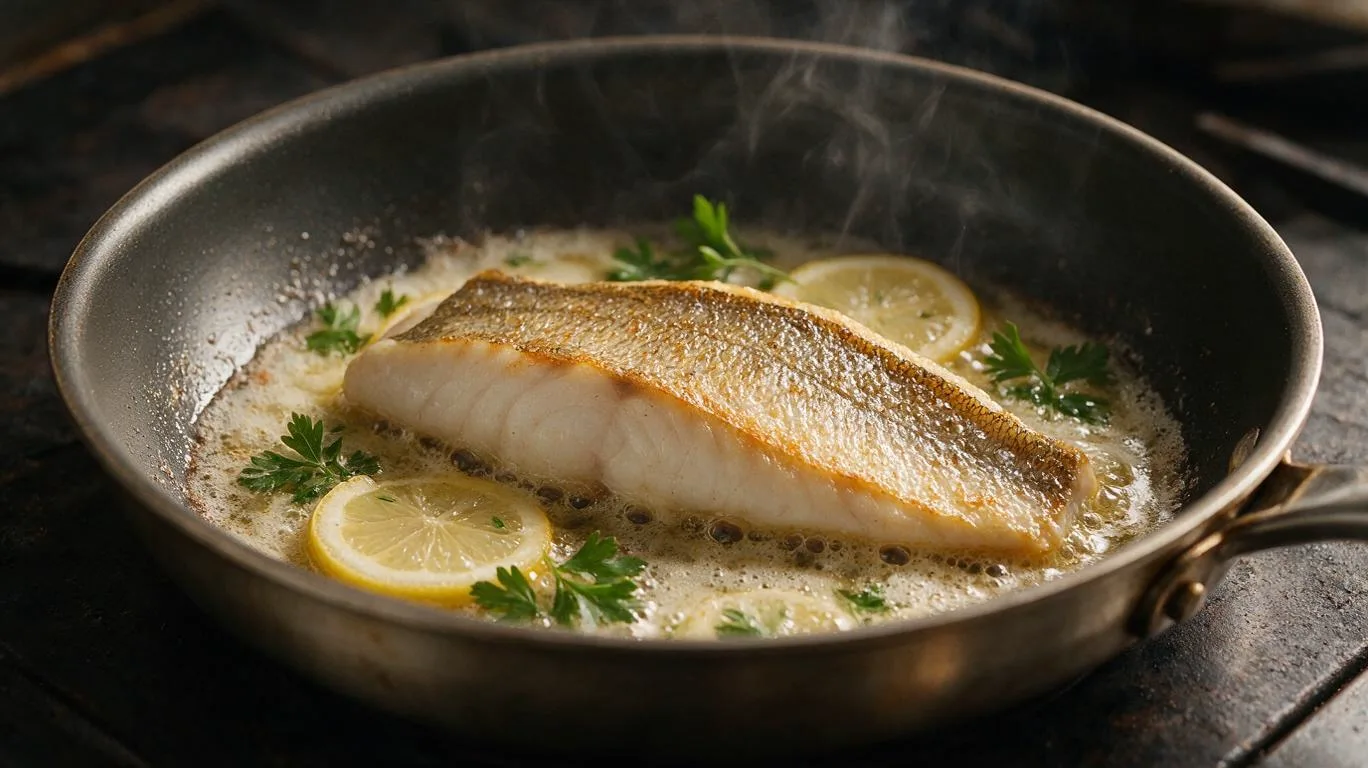
3. Heat the oil with half the butter in a frying pan. Lay the fillets skin-side down and press them with a fish slice for the first thirty seconds so they do not curl. Fry over a medium heat for four to five minutes, until the skin is golden and crisp.
4. Turn the fillets, add the remaining butter and baste them with it for another minute or two. They are done when the flesh at the thickest point is opaque and flakes easily.
5. Squeeze over the lemon, scatter with parsley and serve with boiled potatoes. The butter from the pan goes on top.
Recipe 2: trout baked with caraway and herbs
Ingredients (serves 2): 2 gutted trout (about 300 g each), salt, 1 teaspoon whole caraway seeds, 40 g butter, 2 cloves of garlic, a few sprigs of thyme and parsley, 1 lemon.
1. Heat the oven to 200 °C. Rinse the trout, dry them thoroughly and salt them inside and out.
2. Fill the belly cavity with the herbs, a slice of garlic, a slice of lemon and a knob of butter. Sprinkle the skin with caraway.
3. Place the fish in a buttered roasting tin and dot the remaining butter on top.
4. Bake for 18 to 22 minutes, basting the trout with the melted butter halfway through. They are done when the flesh along the backbone is opaque and the dorsal fin pulls out easily.
5. Serve with lemon and new potatoes. On the plate, lift the skeleton at the tail and pull it out whole.
Take only as much as you will actually eat, and leave the rest to the water. A fish from your own rod tastes better than one from the shop. That may be a bit of an angler’s tale, but it is one anybody who has had a taste will believe.