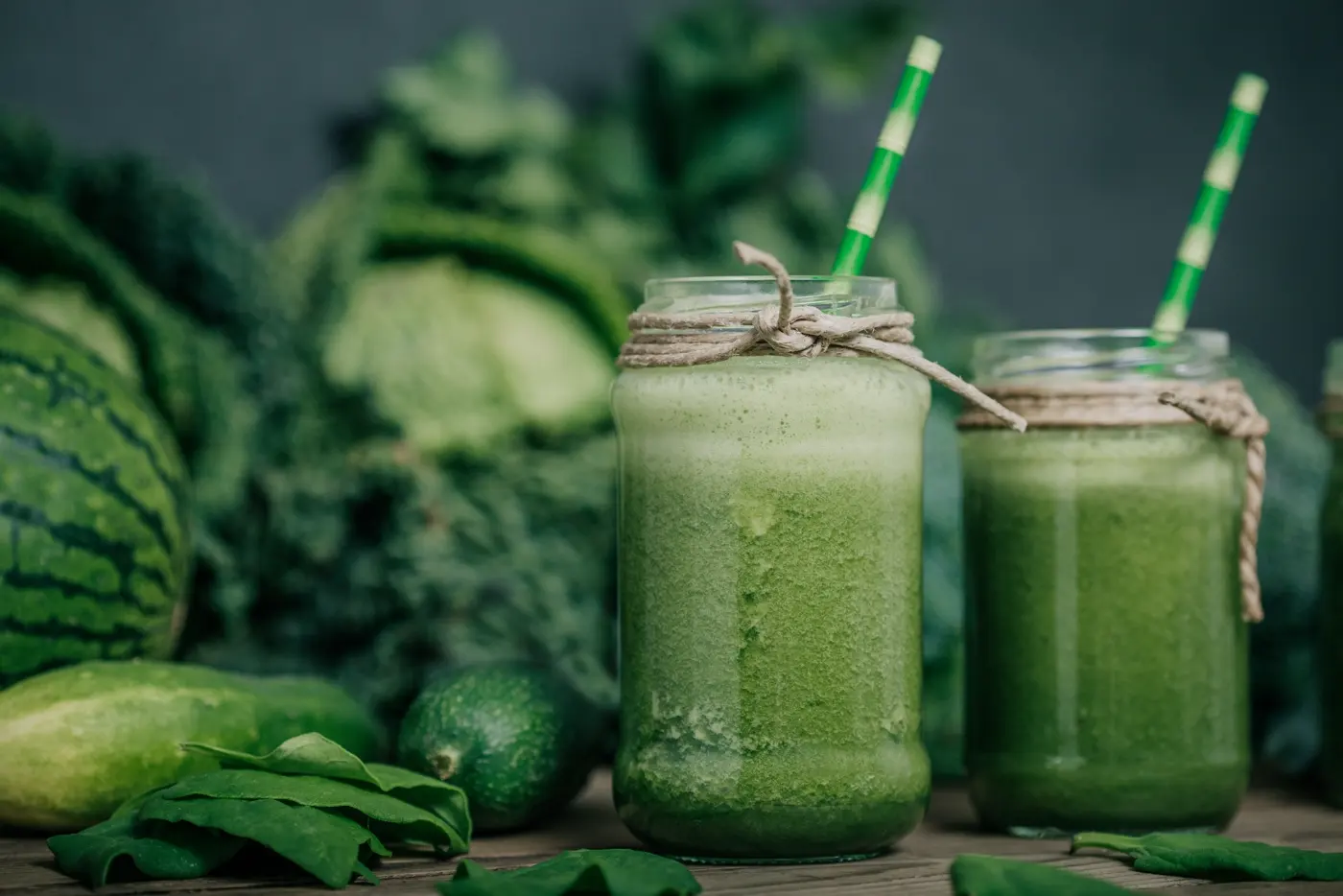
Green Smoothie: What It is, Where It Came From and How to Make It
Take good care of your body. It’s the only place you have to live.
Jim RohnBy Marcela Said
We live in a world of opposites. Almost every topic, every situation, every activity and every food splits people into two camps – fans and critics. The green smoothie is no exception. Many lovers of a healthy lifestyle swear by this liquid meal. Others call it frog juice and wouldn’t let it near their lips.
So where does the truth lie? What is the secret of the green smoothie, what is really in it and where did it come from? And can you make one that tastes good every time?

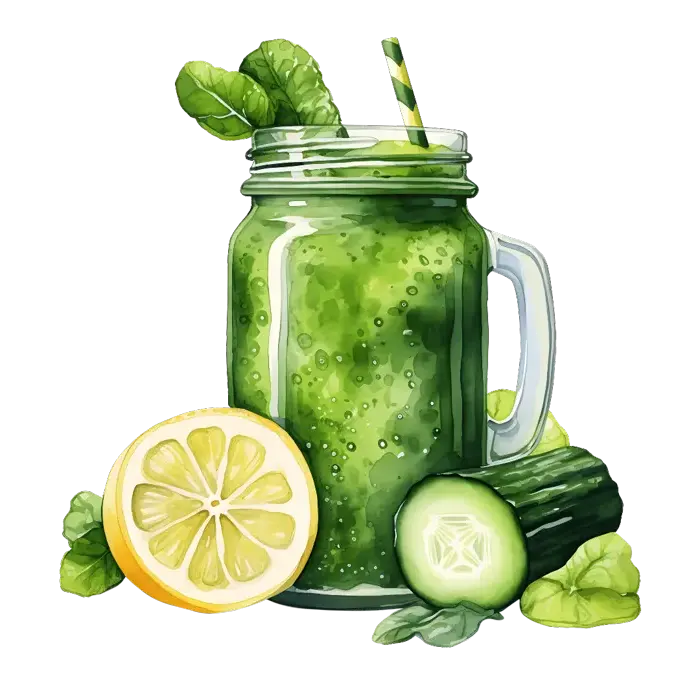
What a green smoothie is
The green smoothie: an extra helping of fibre and vitamins
The green smoothie takes its name from its colour, which – depending on the ingredients – can be anything from pale green to vivid or deep, dark green. It owes that colour to the fact that 40–50% of it is green leafy vegetables.
The rest is fruit, which balances the slightly bitter taste of the greens. Thanks to the leafy vegetables, a green smoothie is not only high in fibre but also lower in calories than an all-fruit smoothie.
Origins
Where did the green smoothie come from?
To get to the bottom of the green smoothie’s origins, we need to stop briefly at the origins of the smoothie itself. For that we can thank two inventions that reached homes and soda fountains in the 1920s – the refrigerator and the blender.
Besides those two inventions, we have two more things to thank for the smoothie – orange juice and friendship…
1920s
The fridge and the blender
In 1922 Stephen Poplawski patented a blender with blades at the bottom of the jug, designed for mixing soda-fountain drinks. The first electric refrigerators for the home went on sale in the same decade. These two inventions were behind the experiments that eventually gave rise to the whole world of smoothies, fresh juices and other liquid and creamy foods and drinks.
1926
Experiments with orange juice
Two names feature in the history of the smoothie – Julius Freed and Bill Hamlin. The story goes that Freed had previously sold cigars in Montana without much success, so he set off to seek his fortune in sunny California. In 1926 he opened a freshly squeezed orange juice stand in downtown Los Angeles. Prohibition was in force across the United States at the time, so selling orange juice looked like a genuinely promising business plan.
It got even better when Julius’s friend, the estate agent Bill Hamlin, entered the picture. Plain orange juice was too acidic for him, so in 1929 he came up with a mixture that was gentler on his stomach – the juice was blended with ice, sweetener, milk, powdered egg white and vanilla. The drink was frothier and creamier, and the stand’s takings jumped from about 20 to 100 dollars a day. That is why Orange Julius is often described as the forerunner of today’s smoothie.
Fans of the chain still remember the original taste with nostalgia; its secret lay in freshly squeezed orange juice. Today’s version, they say, is a different thing altogether. But even that cannot take away Freed and Hamlin’s place as the first to experiment.
Mid-20th century
Giving greens the green light
For the birth of the green smoothie we largely have Ann Wigmore to thank. She spent her whole life promoting raw food and was a great champion of wheatgrass juice.
Ann Wigmore regarded green juice as the cornerstone of her diet and – in her own words – of her recovery. It is her personal commitment to promoting green drinks that still earns her a place as a key figure in the development of the green smoothie.
1973
The dairy-free smoothie
Although Freed and Hamlin opened the door to the world of liquid nutrition, history had to wait a little longer for the smoothie as we know it. The next step was taken by Steve Kuhnau. As a teenager he worked at a soda fountain, but being lactose intolerant he couldn’t drink the milkshakes he was making. So in the 1960s he began blending fruit, juices, protein and vitamins in search of a nourishing drink that could stand in for the much-loved milkshake.
In 1973 he opened a shop in Kenner, Louisiana, which grew into the Smoothie King chain. The word ‘smoothie’ had already appeared in the 1940s in recipe books for Waring blenders, but it was Kuhnau who helped bring it to the general public.
2004
The green smoothie gets its flavour
Our look at how the green smoothie evolved would not be complete without the last name on the list – Victoria Boutenko. The Russian-born author and teacher has devoted her life to raw food and to popularising it around the world. She built on Ann Wigmore’s work and gave the green drink the one thing that made it far more popular – flavour. She simply balanced the bitterness of green leaves with sweet, creamy banana.
By her own account she blended her first green smoothie – kale and banana – in August 2004, and a year later she published a book about it, Green for Life. And the green wonder was born…
What is in your kitchen?
Mix your own
Tap the ingredients you have to hand. We will show you which of our fifteen tried-and-tested recipes you can make.
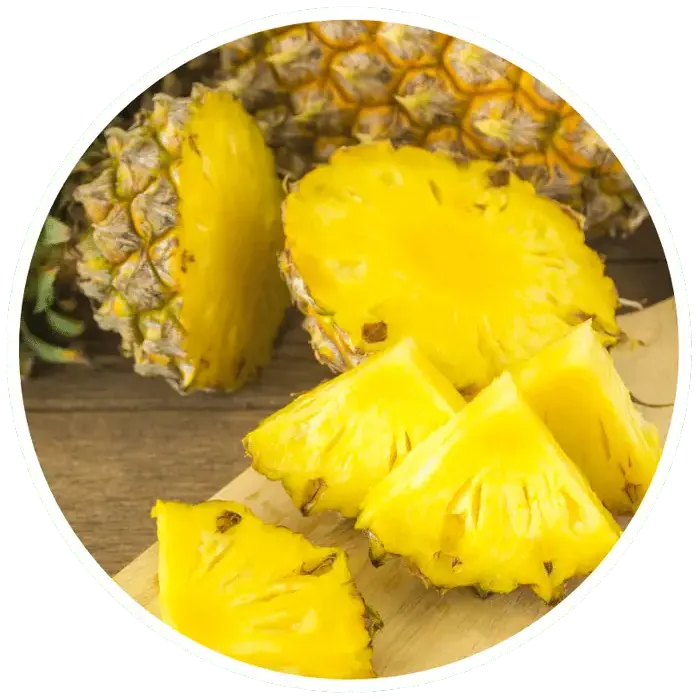 Pineapple
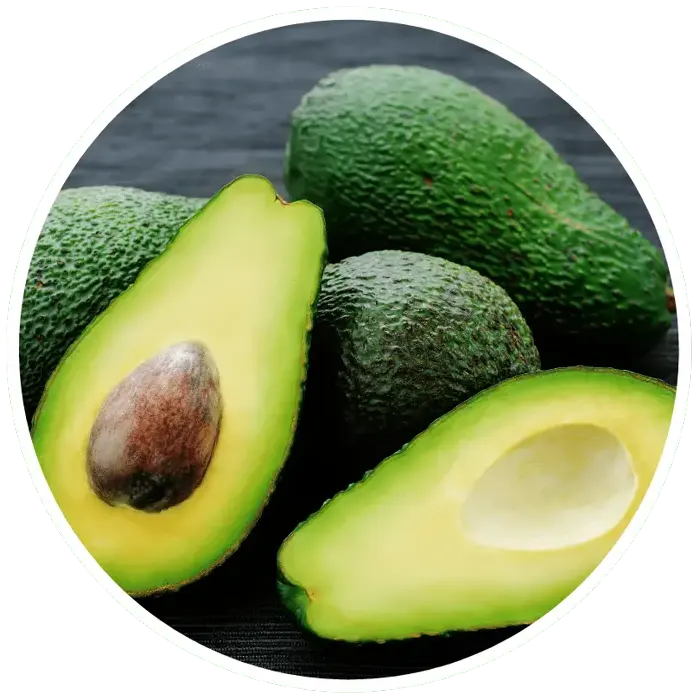 Avocado
 Bananas
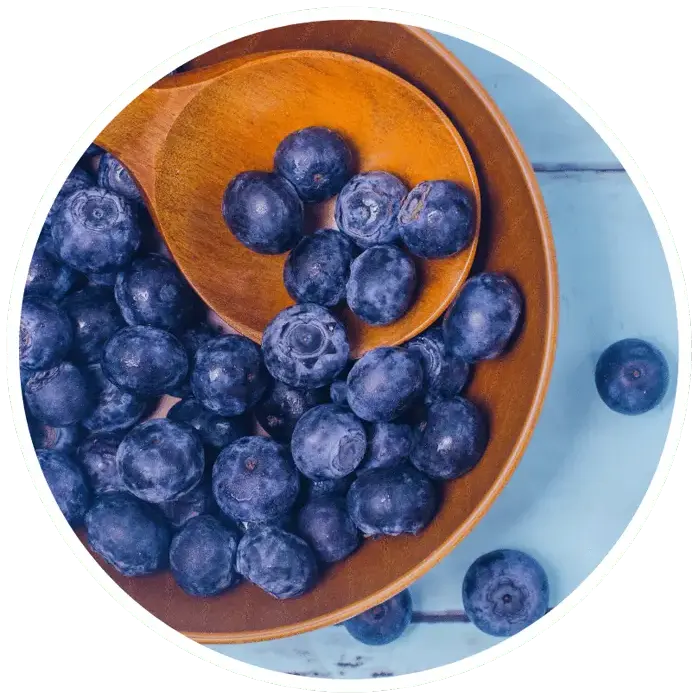 Blueberries
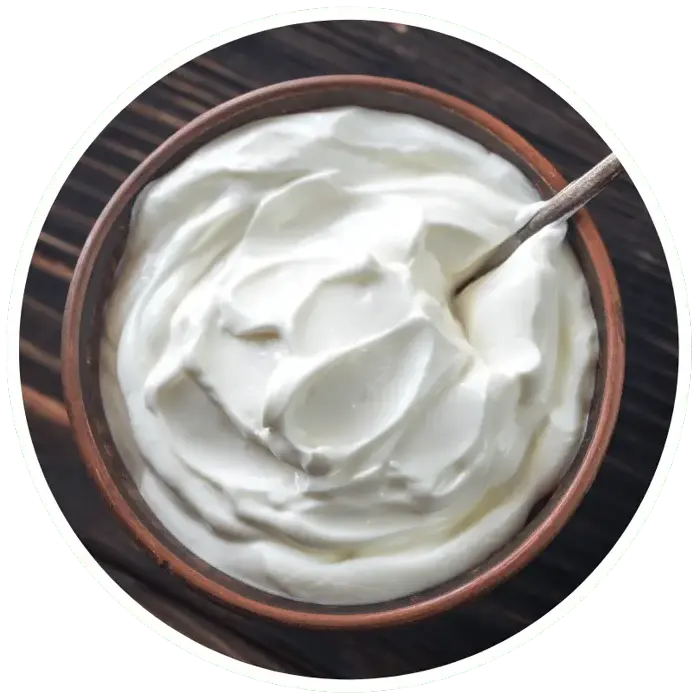 Greek yoghurt
 Pears
Pears
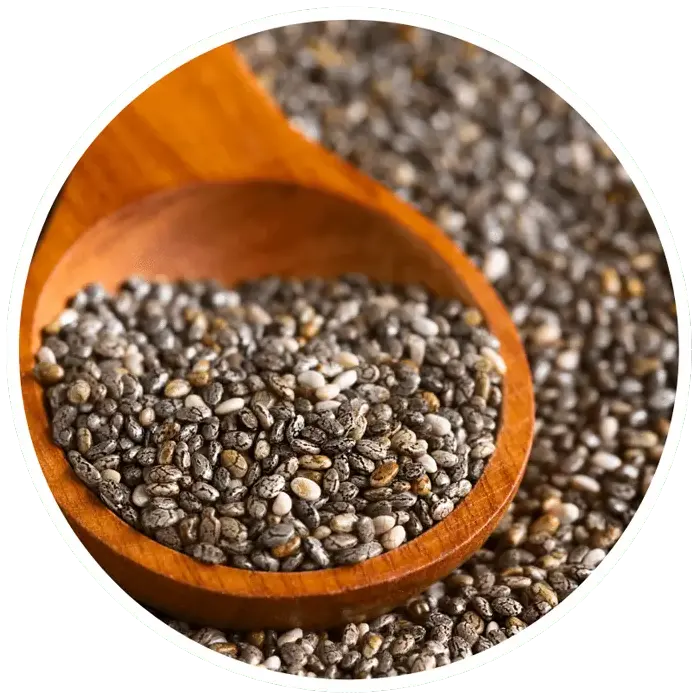 Chia seeds
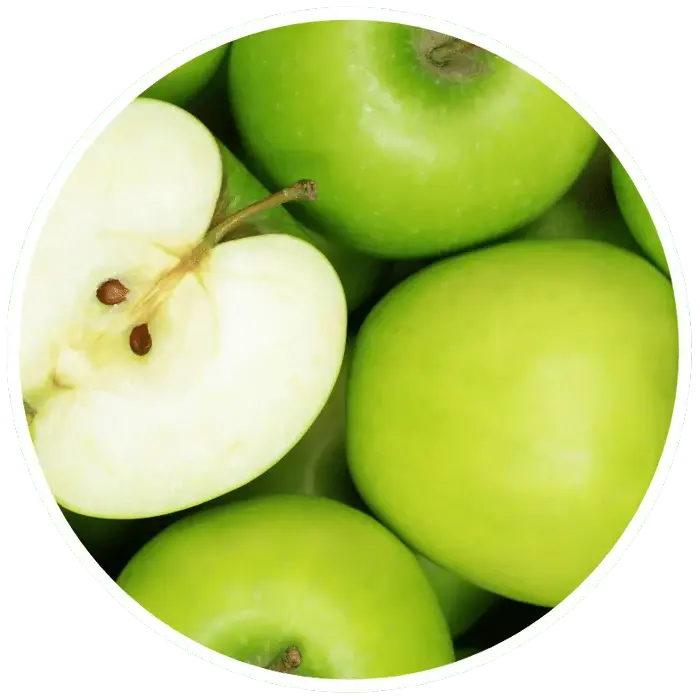 Apple
Apple
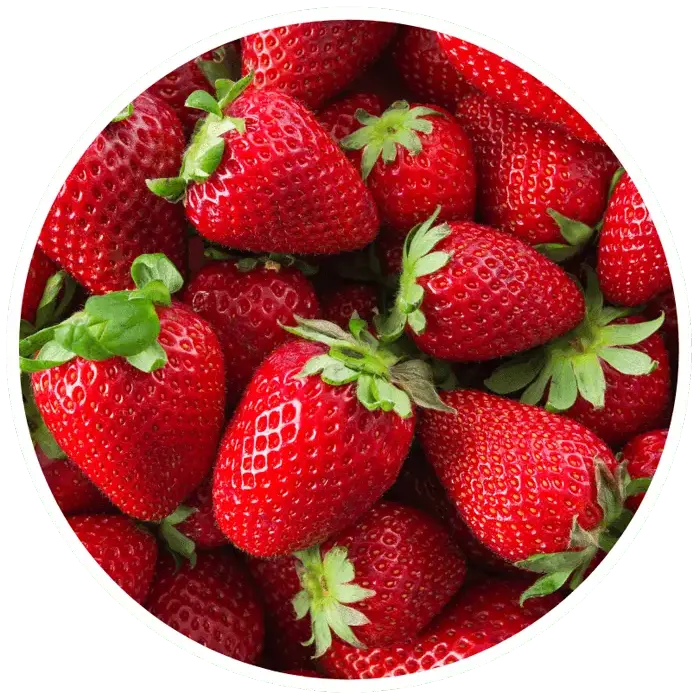 Strawberries
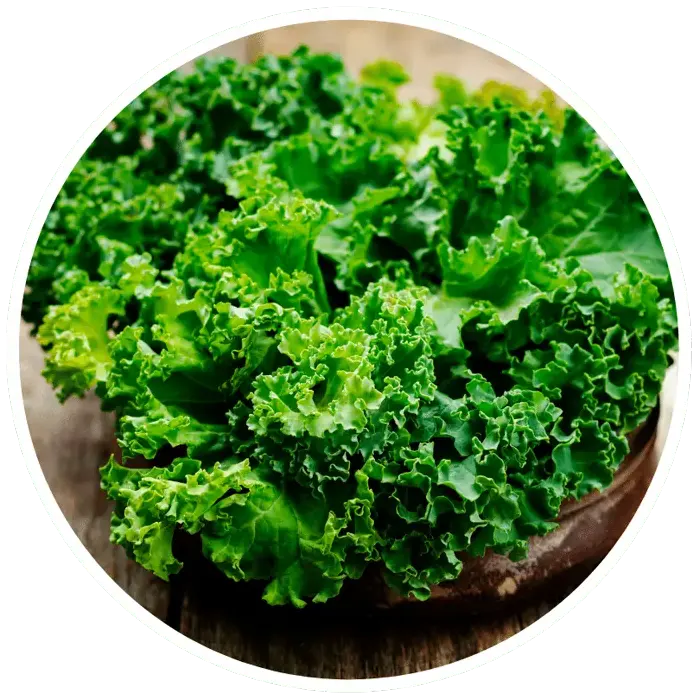 Kale
Kale
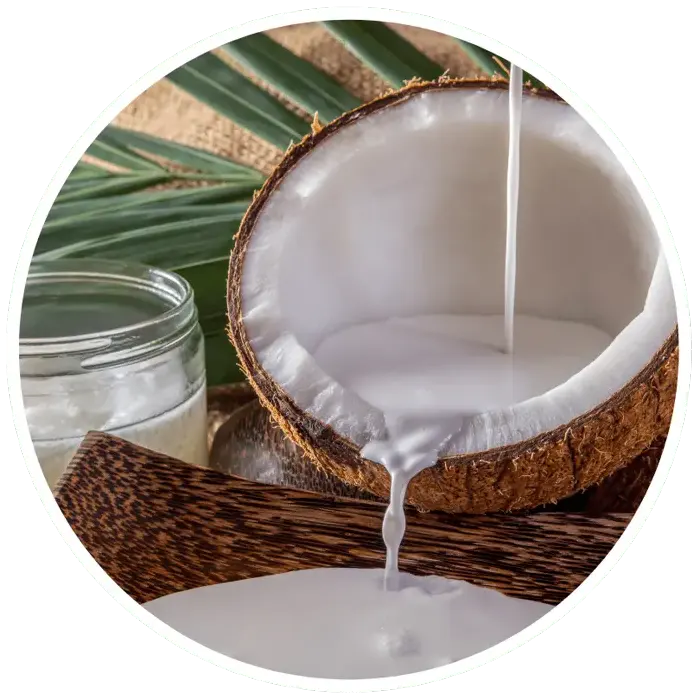 Coconut milk
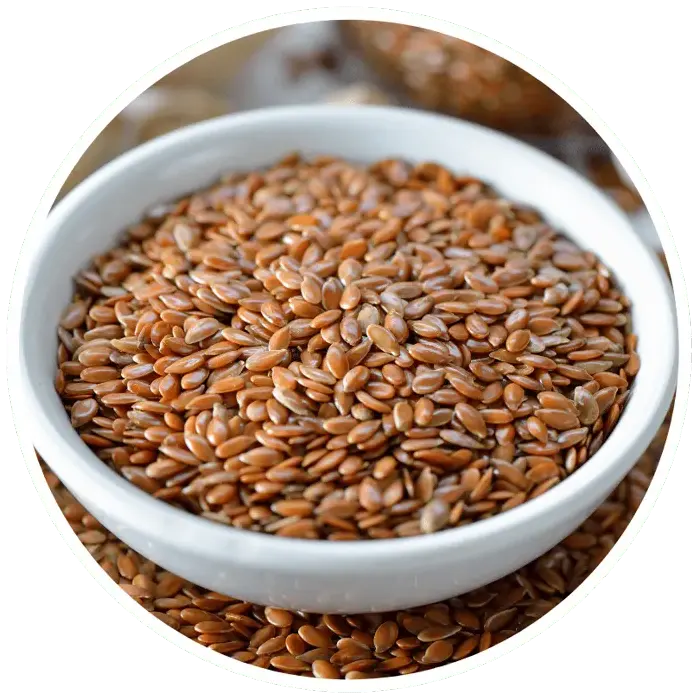 Flaxseed
 Lime
Lime
 Raspberries
 Almond milk
 Mango
Mango
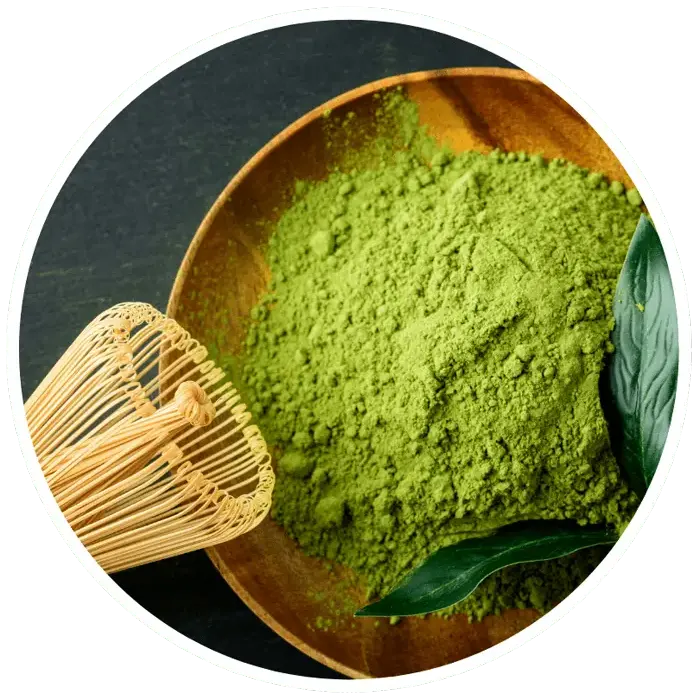 Matcha
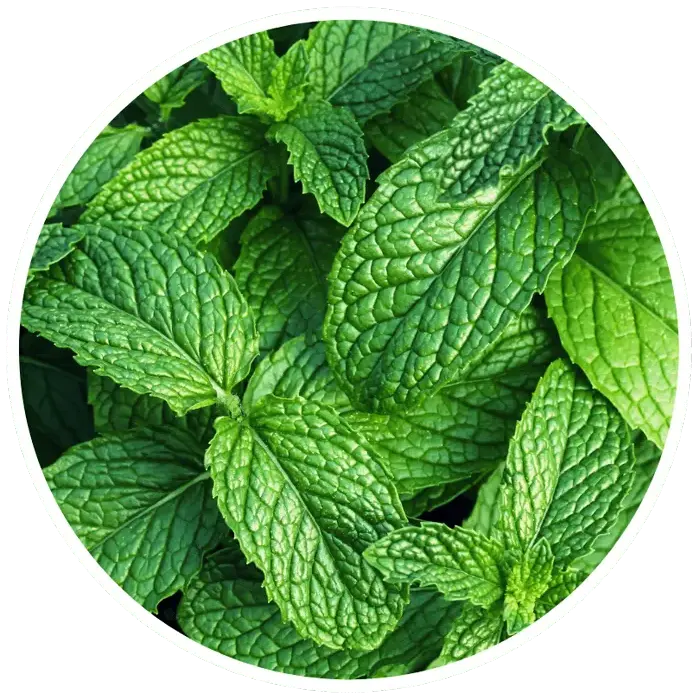 Mint
Mint
 Honey
Honey
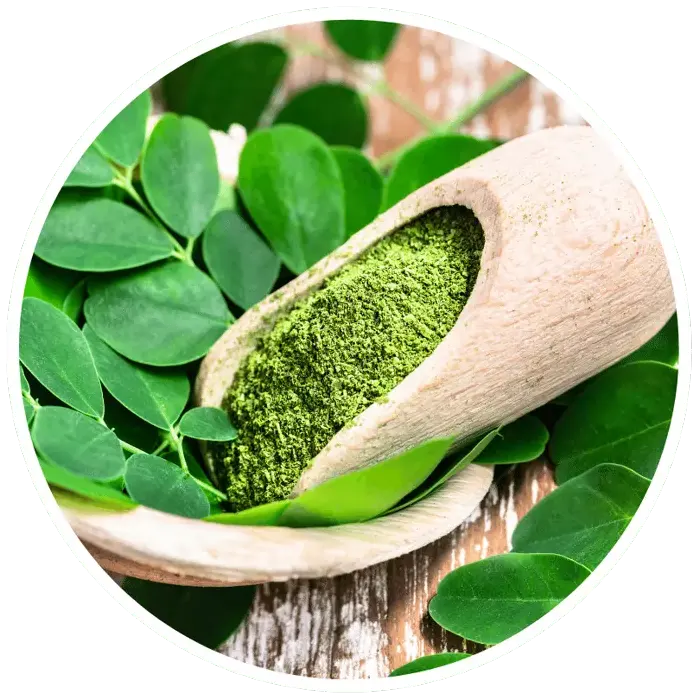 Moringa
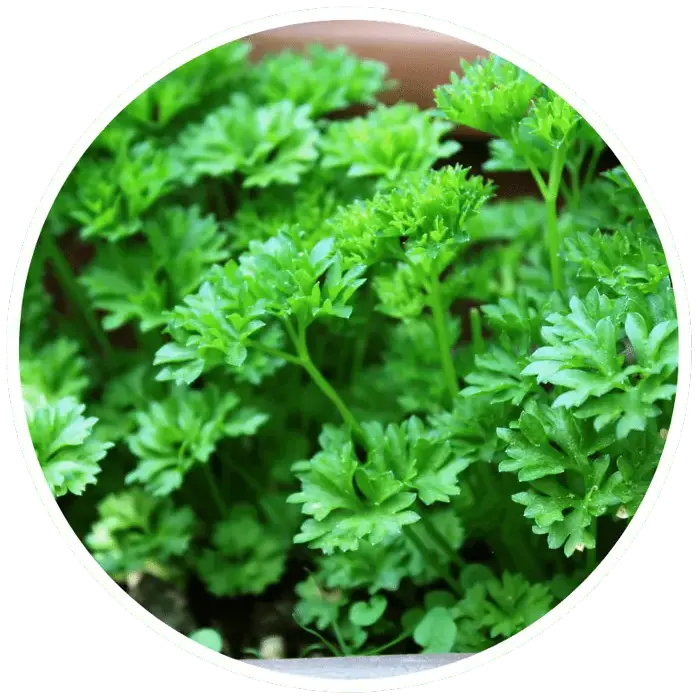 Parsley leaves
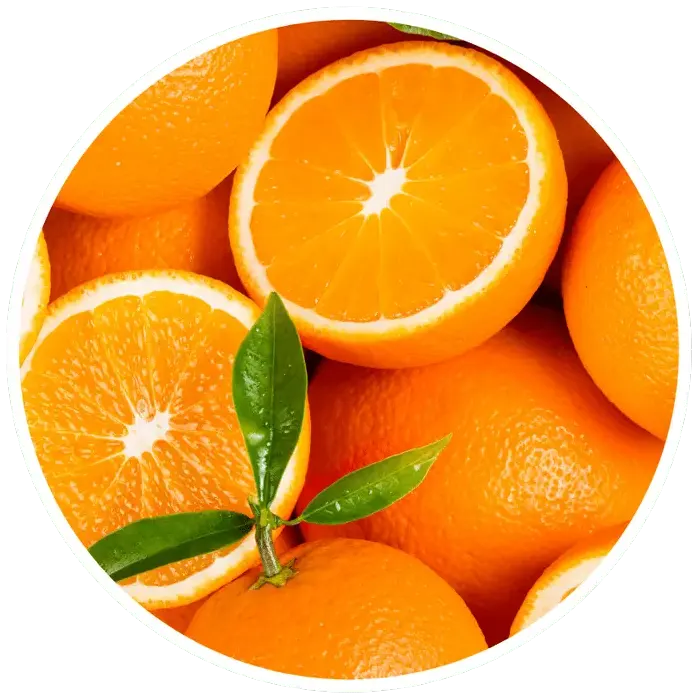 Orange
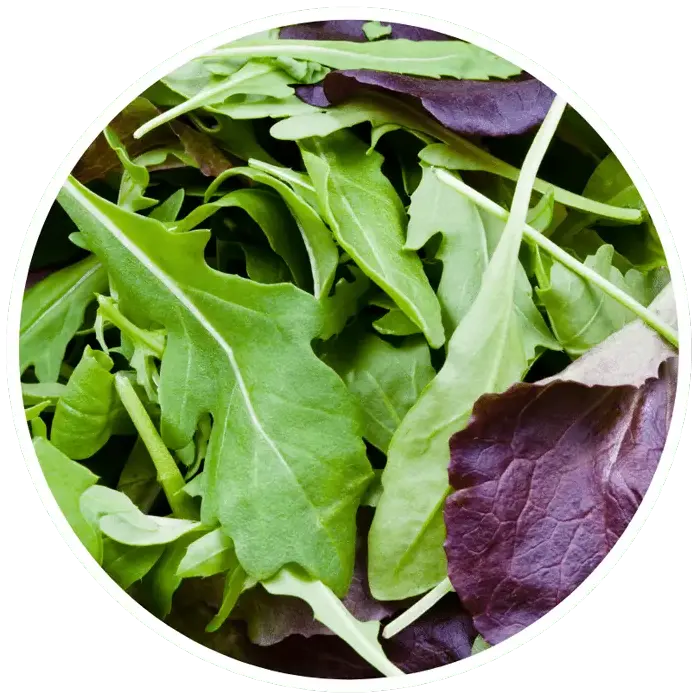 Rocket
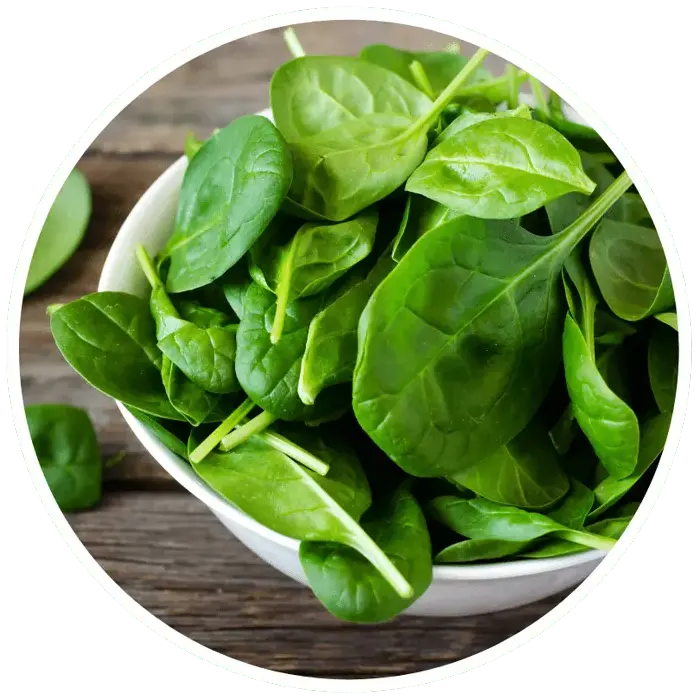 Spinach
- Peppery pear smoothie1 avocado, 2 pears, 2 tbsp chia seeds, 1 cup frozen raspberries, a handful of rocket, a handful of spinach, water or apple juice
- Creamy blue smoothie2 bananas, 2 tbsp flaxseed, 1 cup frozen blueberries, 2 cups kale, 2 cups almond milk
- Basic green smoothie2 cups baby spinach, 1 avocado, 1 green apple, 1 banana, 1 cup almond milk
- Frozen orange smoothiefrozen flesh of 1 orange, 1/2 frozen banana, 1 cup green leafy vegetables, 1 tbsp almond butter, 1 tbsp chia seeds, almond milk, ice
- Yoghurt exotica2 oranges, 1 banana, 1 cup strawberries, 3 cups baby spinach, 1 cup plain Greek yoghurt, ice, orange juice
- Kale smoothiekale, almond milk, frozen banana, peach, ginger, matcha, ice
- Strawberry and banana1 banana, 1 cup baby spinach, 1/2 cup plain Greek yoghurt, 1/2 cup almond milk, 6 large strawberries, 1 tbsp flaxseed
- Pineapple smoothiefrozen pineapple, frozen mango, avocado, ginger, baby spinach, almond milk
- Matcha smoothie1 cup almond milk, 1 tbsp flaxseed, 1 tbsp matcha, a pinch of cinnamon, 4 dates, 1 banana, a handful of spinach, 1 tbsp nut butter
- Tropical mango smoothie2 bananas, 2 cups baby spinach, 1 cup frozen mango, 2 tbsp chia seeds, 1 cup coconut milk
- Avocado smoothie1 avocado, 2 green apples, 2 cups baby spinach, 2 tbsp honey, water, ice
- Veggie smoothie1 cup kale, 1 cup baby spinach, 1 handful of parsley leaves, lemon juice, banana, apple, apple juice, ice
- Greenacolada1 cup baby spinach, 1 cup coconut milk, 1 cup frozen pineapple, 1 avocado, 2 tbsp honey, ice
- Moringa smoothie1 avocado, 1 tbsp moringa, a handful of spinach, 1 cucumber, 1 lime, mint, apple juice, honey
- Blueberry smoothie3 bananas, 1/2 cup almond milk, 2 handfuls of spinach, 1 cup frozen blueberries, 1 tbsp honey, ice
Is a green smoothie really healthier?
Questions and answers
What are the main advantages of a green smoothie?
Probably the biggest advantage is that a single serving of green smoothie lets you take in a large amount of fresh fruit and vegetables – foods rich in fibre, minerals and vitamins. A green smoothie is also lower in calories than an all-fruit one.
Is a green smoothie a good way to ‘cleanse’ and/or lose weight (quickly)?
A green smoothie can be part of a varied diet, but it is not a miracle route to weight loss or a ‘detox’. You should never embark on a cleanse on your own, following sure-fire recipes from the internet. It is always wise to consult a professional who can assess your health and tailor the approach to you, so that you reach your goal without putting your body at risk.
Do green smoothies damage the kidneys?
Everything in moderation. Our grandmothers said so, and it applies here too. Sure-fire juice cleanses – with celery juice, say – or green smoothie cleanses in general should never be undertaken without consulting a GP or a nutrition professional. The medical literature describes cases in which such a ‘cleanse’, based on oxalate-rich leafy greens, led to serious and even irreversible kidney damage in people with predisposing factors. That is why it is so important to discuss any planned regime with a professional first.
Is it safe to drink ready-made smoothies from the supermarket, or should you always make your own?
Understandably, nothing beats a smoothie freshly made from good ingredients. European legislation keeps a close watch on the quality and safety of food on sale, so supermarket smoothies are safe to drink. The same cannot quite be said of their valuable compounds. A Portuguese study from 2016 showed that in commercial smoothies the content of bioactive compounds and the antioxidant activity fall significantly during storage, and its authors therefore recommend drinking them as soon after production as possible. So if vitamins and minerals are your main reason for drinking smoothies, make them at home or buy them really fresh.
Does a green smoothie protect against ageing?
That cannot be claimed. A green smoothie contains carotenoids and other substances described as antioxidants. A pilot study by the dermatology department of Berlin’s Charité, published in 2020, followed 20 healthy volunteers who drank either a homemade or a commercial green smoothie every day for eight weeks. Freshly made, the homemade smoothies had a clearly higher carotenoid content, but it broke down quickly within 24 hours; the commercial one was more stable. Carotenoid levels in the skin rose only minimally in both groups. The authors’ conclusion: a homemade smoothie is best drunk straight after it is made.
Is a green smoothie suitable for people with diabetes?
Here it depends entirely on the particular recipe. As a rule, a green smoothie contains less fruit sugar than all-fruit blends. But you need to look at the full composition and every ingredient – and discuss adding smoothies to your diet with your doctor.
So what goes in the blender today?