Ingredients
Working Magic With Green Ingredients
What can go into a green smoothie? The basis of every good green smoothie is leafy greens. You can use mild baby spinach or kale. You can add rocket too, although it is rather peppery. To balance the bitterness of the greens, top up your smoothie with fruit – bananas, pineapple and blueberries all work beautifully. Plant-based milk or Greek yoghurt are also options. So why does each ingredient work, and what does it bring to your smoothie?
-
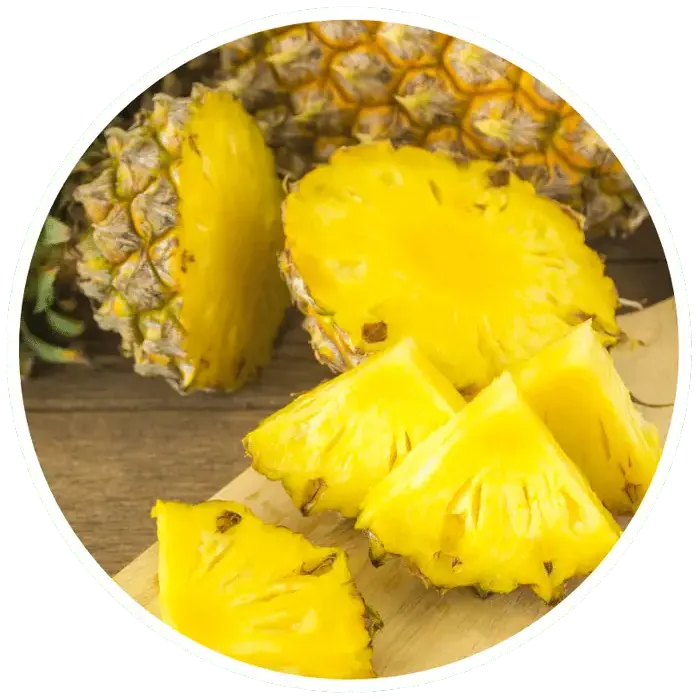
Pineapple
Juicy tropical fruit that sweetens any blend
The pineapple comes from South America, from where it spread throughout the tropics. It is exceptionally juicy and refreshing. Besides smoothies, it is great in all kinds of desserts and cocktails, as a side with meat or as an addition to curry. It is best fresh, of course, but it can also be tinned or dried.
Why add it to a smoothie?
This tropical fruit tastes wonderful and does a great job of balancing the bitterness of leafy greens in a green smoothie. Fresh pineapple is also low in calories and contains bromelain – an enzyme that breaks down proteins.
What it contains: Bromelain, about 86% water, beta-carotene, carbohydrates, fibre, vitamins A, B, C, E and K, the minerals calcium, phosphorus, copper, manganese, iron, zinc, potassium and magnesium, folic and pantothenic acid, and the fruit acids citric and malic acid.
-
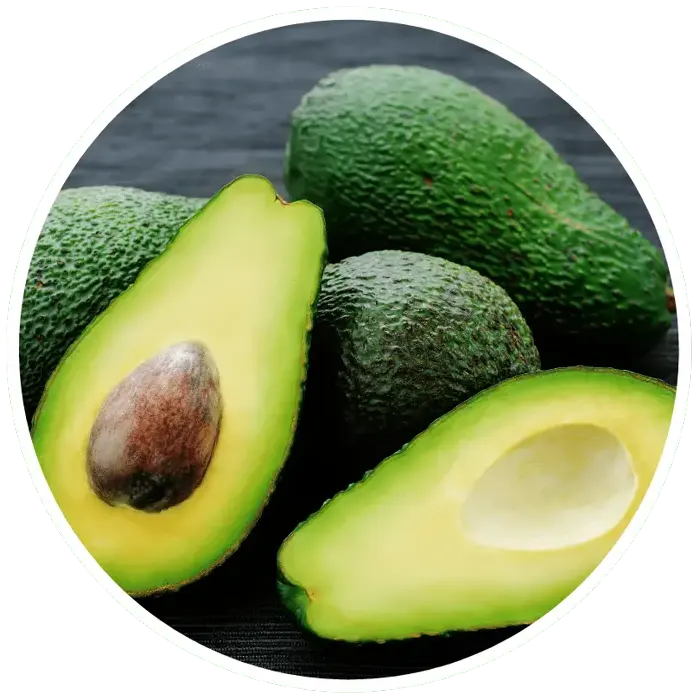
Avocado
A creamy source of healthy fats
Although the avocado only found its way to us in recent decades, the indigenous peoples of Mexico and Central America have known and eaten this fruit for thousands of years – the oldest archaeological finds from Mexico are around 9,000 to 10,000 years old. Avocado is a source of plant fats, but it is relatively high in calories.
Why add it to a smoothie?
The texture of avocado guarantees a beautifully creamy smoothie. Avocado contains mostly unsaturated fats, along with fibre, potassium, folate and lutein.
What it contains: Protein, fats, vitamins E, C and B6, potassium, iron and magnesium, and plenty of folate.
-

Bananas
A sweet treat packed with nutrients
Bananas are now among the most popular fruits in the world. They fill you up quickly and give you energy. They originated in South-East Asia but today are also grown in Africa and South America. A medium banana has only about 100 calories and consists mainly of water and carbohydrates.
Why add it to a smoothie?
Banana thickens a smoothie beautifully and its sweetness balances the bitterness of leafy greens. It is an important natural source of potassium, which contributes to the normal functioning of the nervous system, and it also contains carotenoids that the body can convert into vitamin A.
What it contains: Carbohydrates, potassium, magnesium, copper, iron, manganese, fibre, vitamin A, vitamin B6, vitamin B9 and vitamin C.
-
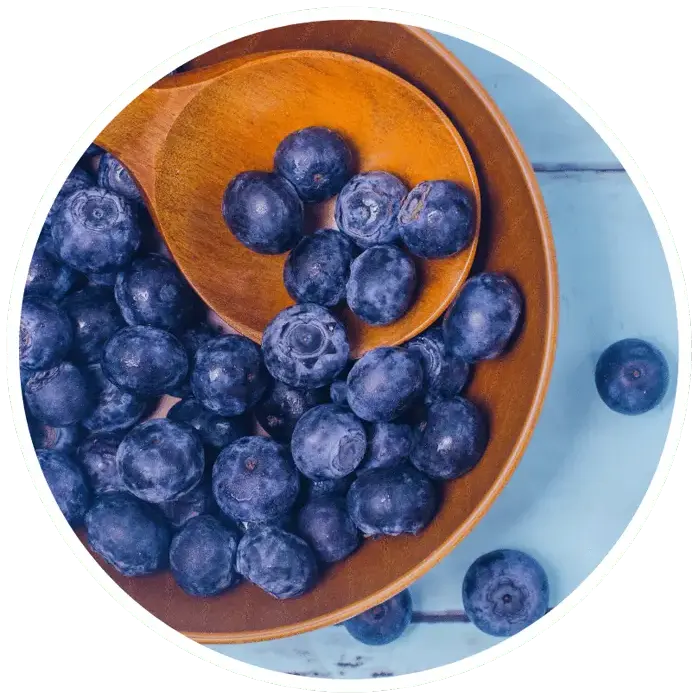
Blueberries
Tiny berries full of flavour and colour
Little spheres that also grow in our own forests. The wild bilberry is native to Europe and northern Asia, while the large cultivated blueberries sold in shops come from North America. Blueberries are excellent not only in smoothies but also in all sorts of cakes and desserts.
Why add it to a smoothie?
Blueberries give a smoothie a sweet-and-sharp flavour and a gorgeous dark colour. They owe the colour to plant pigments that belong among the antioxidants. They also add fibre and vitamin C, and are fairly low in calories.
What it contains: Fibre, vitamin C, vitamin E, carotenes, folic acid, calcium, potassium, magnesium, phosphorus, iron and zinc.
-
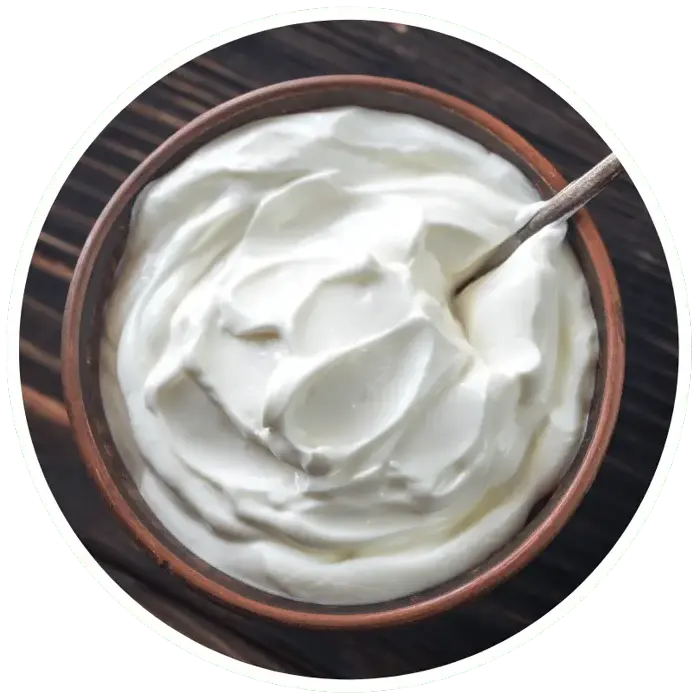
Greek yoghurt
A protein bomb for anyone with an active lifestyle
Greek yoghurt is made by natural fermentation with yoghurt cultures. During production the excess whey is strained off. The result is a thick plain yoghurt with no added sugar and less natural sugar than ordinary yoghurts.
Why add it to a smoothie?
Plain Greek yoghurt is an excellent source of protein, which contributes to the growth and maintenance of muscle mass. It gives a smoothie body, a gently tangy taste and live yoghurt cultures.
What it contains: Protein, vitamin A, B vitamins, potassium, calcium, phosphorus and sodium.
-

Pears
Sweet as honey and full of fibre
Pears are an exceptionally sweet fruit that came to us from Asia. Unlike apples, they do not keep for very long, so fresh ones are often imported from southern Europe. The fruit is, however, excellent for bottling or making into jam. Ripe pears have a creamy texture and a sweet taste.
Why add it to a smoothie?
Besides its lovely taste, a pear gives your smoothie a generous dose of fibre – one medium pear provides roughly a fifth of the recommended daily intake. It also has plenty of water and soft, creamy flesh that blends until perfectly smooth.
What it contains: Up to 84% water, lots of fibre, vitamin A, vitamins B1 (thiamine), B2 (riboflavin), B3 (niacin), B5 (pantothenic acid), B6 (pyridoxine) and B9 (folic acid), vitamins C, E and K, calcium, iron, magnesium, manganese, copper, phosphorus, potassium and zinc.
-
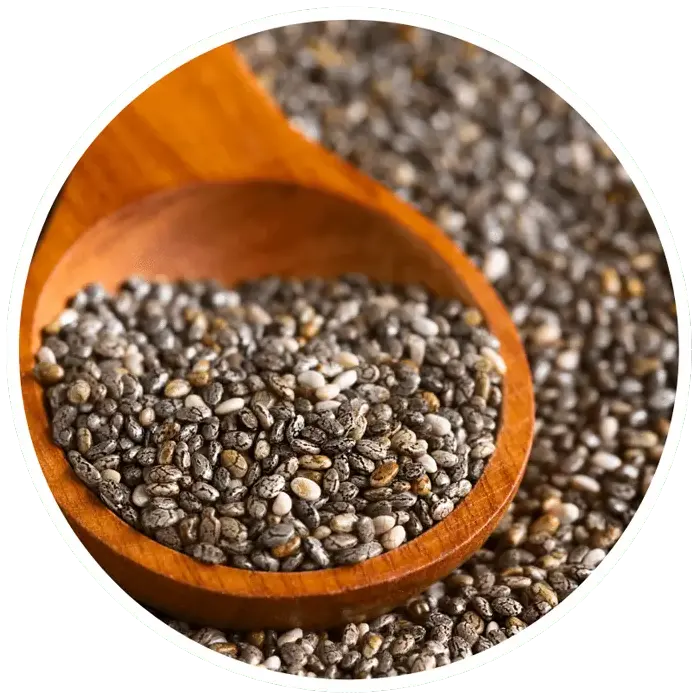
Chia seeds
A gift from Maya culture
Although chia seeds are still fairly new to us, these tiny grains were commonly eaten by the Maya and the Aztecs long before Columbus – they were one of the staples of their diet. The seeds can soak up water amounting to as much as a reported 12 times their own weight, turning any liquid into a gel. Today chia is grown mainly in Central and South America.
Why add it to a smoothie?
Chia seeds thicken a smoothie and add plenty of fibre, plant protein and omega-3 fatty acids. They taste neutral, so they suit almost any combination.
What it contains: Vitamins A, B1 (thiamine), B2 (riboflavin), B3 (niacin), B9 (folic acid), C and E, lots of manganese and phosphorus, magnesium, calcium, iron, zinc, potassium, sodium and a high proportion of omega-3 and omega-6 fatty acids.
-
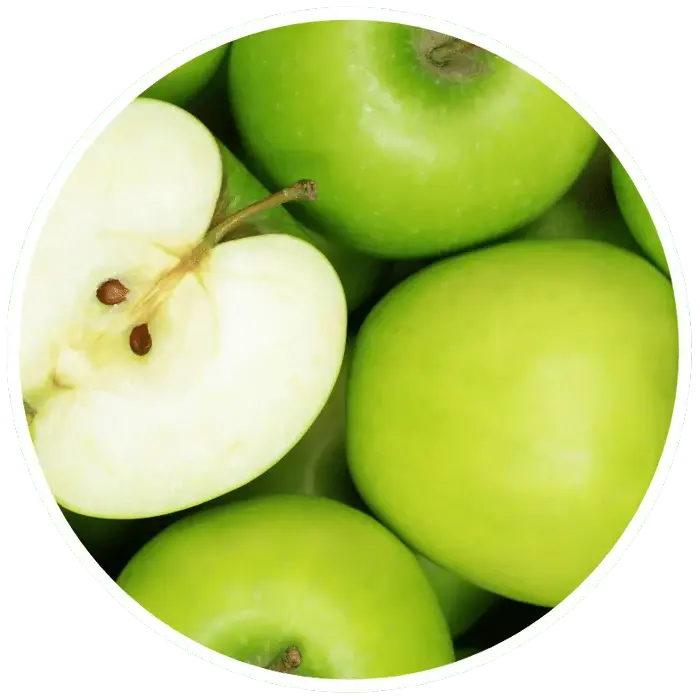
Apple
The simplest classic from our orchards
As our grandmothers used to say, an apple a day keeps the doctor away. It is a versatile fruit that can be eaten raw or stewed. It goes into cakes, desserts and sweet dishes, and can even be fried in batter. It is at home in cereal, Sunday strudel, muffins and bundt cake – and, of course, in smoothies. For a green one, ideally go for a green apple with its delicate sweet-and-sharp taste.
Why add it to a smoothie?
Apple gives a smoothie a fresh sweet-and-sharp flavour and lots of fibre, including pectin. A green apple also sets off the colour nicely.
What it contains: Fibre including pectin, vitamin C and other vitamins and trace elements, potassium, phosphorus, calcium, magnesium and iron.
-
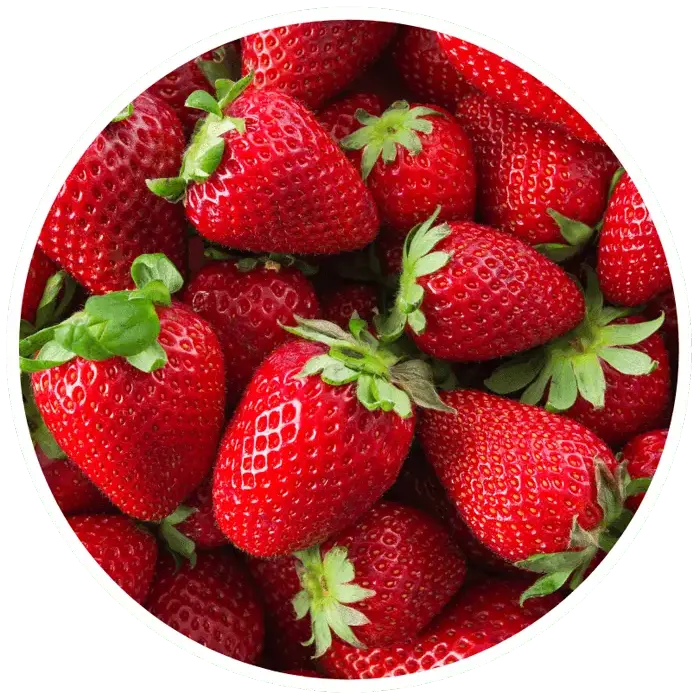
Strawberries
The fruit closest to our hearts
Strawberries are deliciously juicy fruits that have even found their way into fairy tales – think of Hansel and Gretel, or of Maruška and the Twelve Months. They are the basis of thousands of desserts, creams and cakes, and they have a place all of their own in cocktails and smoothies.
Why add it to a smoothie?
Strawberries give a smoothie fragrance, sweetness and plenty of vitamin C. Thanks to their high water content they are low in calories, so they sweeten a smoothie without weighing it down.
What it contains: About 90% water, vitamin K, vitamin C, vitamin B7 (biotin), vitamin B5 (pantothenic acid), vitamin B9 (folic acid), vitamin B2 (riboflavin), manganese, silicon, iron, copper, magnesium, potassium, calcium, iodine and zinc.
-
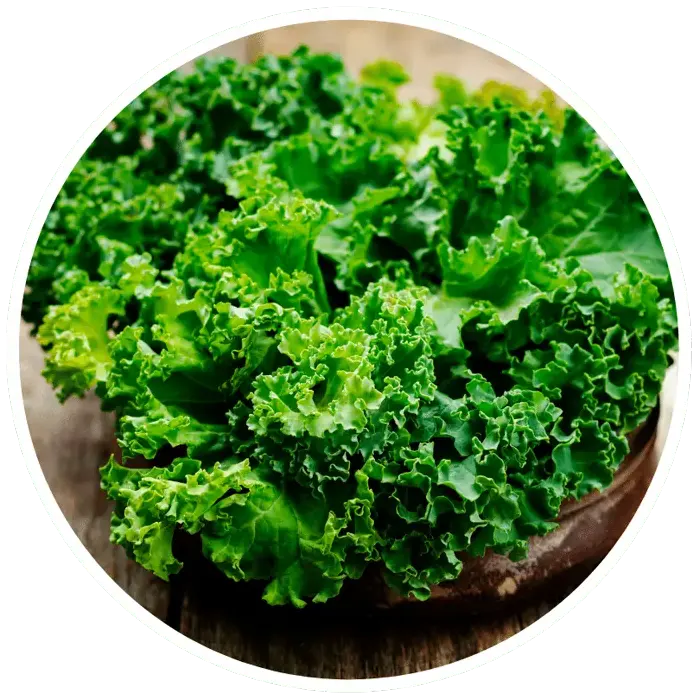
Kale
The unsung hero of our gardens
Kale is an unassuming vegetable that grows quite happily in our own gardens. It found its way to our tables from the Mediterranean. Food fashions pushed it out of the limelight for many years, which is a great pity, because kale is among the vegetables richest in vitamin A (in the form of beta-carotene) – it has several times more than popular broccoli.
Why add it to a smoothie?
Kale gives a smoothie a deep green colour, fibre and a good helping of vitamins A, C and K. It tastes stronger than spinach, so it pays to pair it with sweet fruit.
What it contains: A high vitamin A content, B vitamins, vitamins C, E and K, potassium, sodium, iron, magnesium, phosphorus and manganese.
-
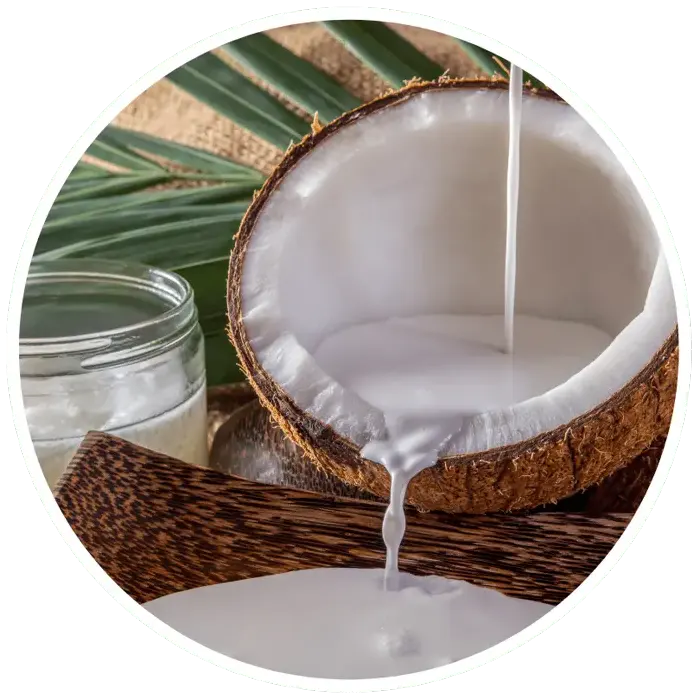
Coconut milk
The milk that isn’t milk, straight from the tropics
Coconut milk is relatively high in calories, but in moderation it can be a pleasant way to vary your diet. It is not the liquid from inside the nut – that is coconut water. Coconut milk is made from the grated flesh of mature coconuts, which is mixed with water and strained. Like coconut oil, it contains medium-chain fatty acids.
Why add it to a smoothie?
Coconut milk gives your green smoothie a creamy texture, a subtle tropical flavour and a helping of plant fats. As these are mostly saturated fats, less is more.
What it contains: Unsweetened coconut milk: calcium, potassium, magnesium, iron and vitamin C. Shop-bought coconut drinks are often fortified with calcium and vitamins A, B12 and D2.
-
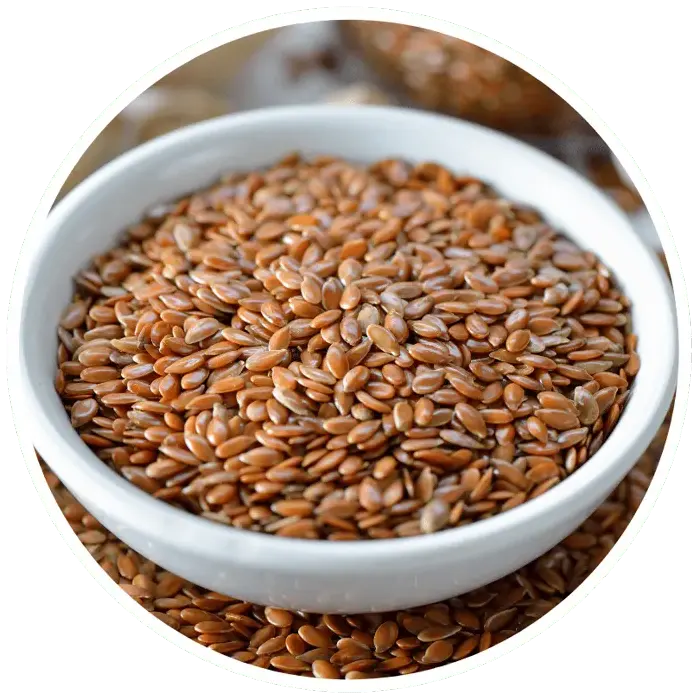
Flaxseed
A tiny seed with thousands of years of history
People have been eating flaxseed for more than 6,000 years, which makes it one of the oldest ‘superfoods’. Ideally, grind or crush the seeds before eating them so that you get the most nutrients out of them. Whole seeds won’t do you any harm, but they won’t do you much good either.
Why add it to a smoothie?
Flaxseeds are a small wonder: they add fibre, plant omega-3 fatty acids and a gently nutty flavour to a smoothie. They are also naturally gluten-free. As well as ground seeds, you can add flaxseed oil to your smoothie.
What it contains: Lots of fibre, omega-3 and omega-6 fatty acids, vitamins B1 (thiamine), B2 (riboflavin), B3 (niacin), B5 (pantothenic acid), B6 (pyridoxine) and B9 (folic acid), vitamins C, E and K, magnesium, phosphorus, zinc, iron, potassium, calcium, sodium and selenium.
-

Lime
A green beauty of uncertain origin
The lime is a sour citrus fruit that reached us from the Arabian Peninsula. Its origins, however, are not entirely clear. It is thought that Arab traders brought it home from South-East Asia. Limes are very juicy and thin-skinned, and the varieties usually sold are almost seedless. They are used in cocktails and desserts, as well as in sauces, soups and marinades for meat and fish. In Mexico there is even a soup in which lime is the main ingredient.
Why add it to a smoothie?
Lime gives a smoothie a fresh sharpness and is a source of vitamin C, which contributes to the normal function of the immune system and to collagen formation, and increases iron absorption. A few drops of juice will also help your smoothie keep its lovely colour.
What it contains: Vitamin C, vitamin B6, thiamine, riboflavin, niacin, folic acid, calcium, iron, potassium, copper, magnesium and phosphorus.
-
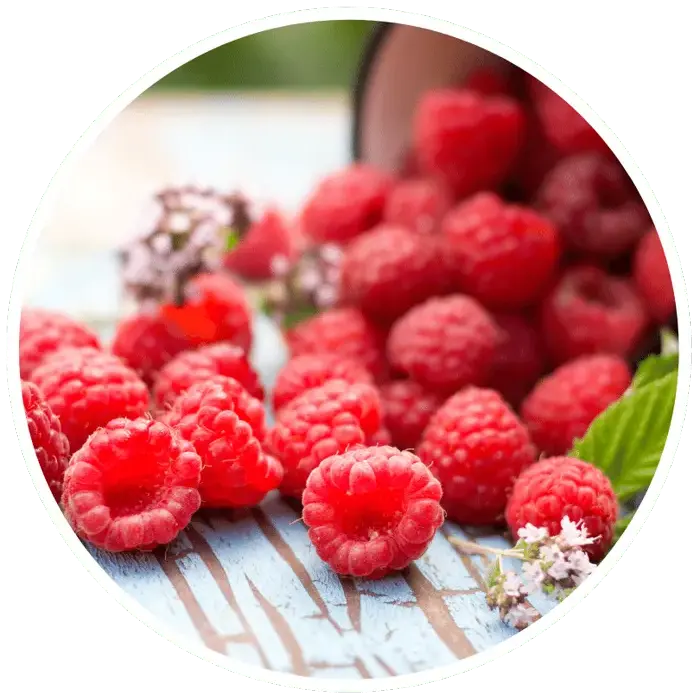
Raspberries
Little beauties you won’t forget
Raspberries, native to Europe and northern Asia, are commonly grown in our own gardens. It pays to be patient when picking them: the riper and darker they are, the sweeter and more aromatic.
Why add it to a smoothie?
This is an exceptionally tasty fruit, long nicknamed the berry of love. Raspberries give a smoothie a sweet-and-sharp flavour, a beautiful colour and lots of fibre. They are also low in calories.
What it contains: Iodine, manganese, iron, silicon, copper, magnesium, zinc, calcium and potassium, folic acid, pantothenic acid, niacin, vitamin A, vitamin B1 (thiamine), vitamin B2 (riboflavin), vitamin B6, vitamin C and vitamin E.
-
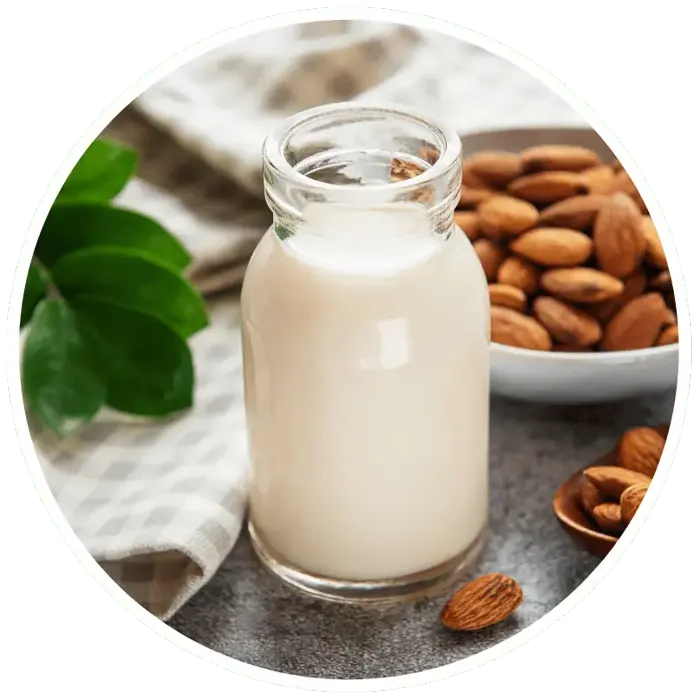
Almond milk
A low-calorie alternative to ordinary milk
Almond milk is a great alternative for anyone who doesn’t get on with ordinary milk or who wants to save a few calories. You can drink it cold, but it also works in cakes, porridge and desserts. You can make almond milk at home, too: just soak almonds in water overnight, blend them the next day and strain thoroughly. The leftover almond pulp can go into banana bread or cereal, for example.
Why add it to a smoothie?
Almond milk gives your smoothie a lovely creamy texture and a delicate flavour. It is also low in calories, so even those watching their figure needn’t go without.
What it contains: A high proportion of water, vitamin E, and a little protein and fibre.
-
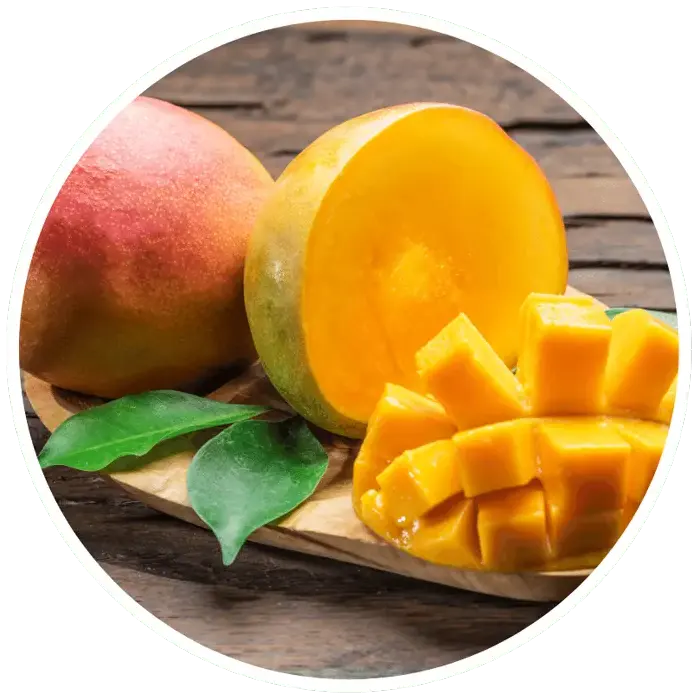
Mango
A radiant greeting from India
The mango is a tropical fruit native to South Asia – the region of present-day north-eastern India, Bangladesh and Myanmar. Its soft, sweet flesh is ideal for fruit salads, creamy desserts and cocktails. A ripe mango has vivid orange flesh. In the middle of the fruit is a large, hard stone that has to be removed before eating.
Why add it to a smoothie?
Mango is rich in vitamins and minerals, particularly vitamin C and beta-carotene. It gives a smoothie a silky-smooth texture, tropical sweetness and a glowing colour.
What it contains: A high vitamin C and beta-carotene content, vitamin E, magnesium, zinc, manganese, potassium, copper, niacin (vitamin B3) and pantothenic acid (vitamin B5).
-
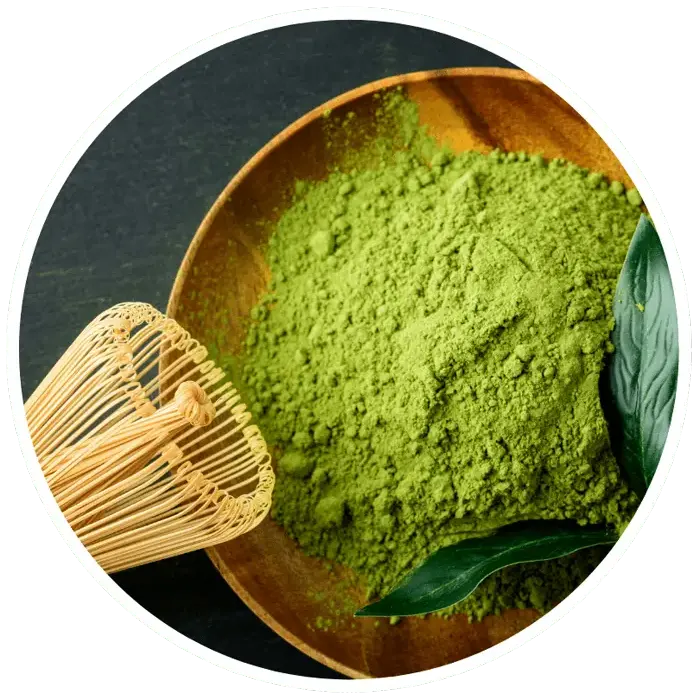
Matcha
Green tea ground to a fine powder
Matcha is a type of green tea made from young tea leaves ground to an exceptionally fine powder, so when you drink it you consume the whole leaf. Tea bushes destined for matcha are grown in the shade before harvest and the leaves are picked by hand. In traditional production the leaves are ground slowly in granite mills – an hour’s work yields only a small amount of powder.
Why add it to a smoothie?
Matcha gives a smoothie a rich green colour and a delicately grassy, pleasantly bitter taste. It also contains caffeine, so it does much the same job as a morning cup of coffee.
What it contains: Catechins (antioxidants), amino acids including theanine, caffeine, beta-carotene (provitamin A), vitamins C and E, iron, calcium, zinc, potassium and sodium.
-
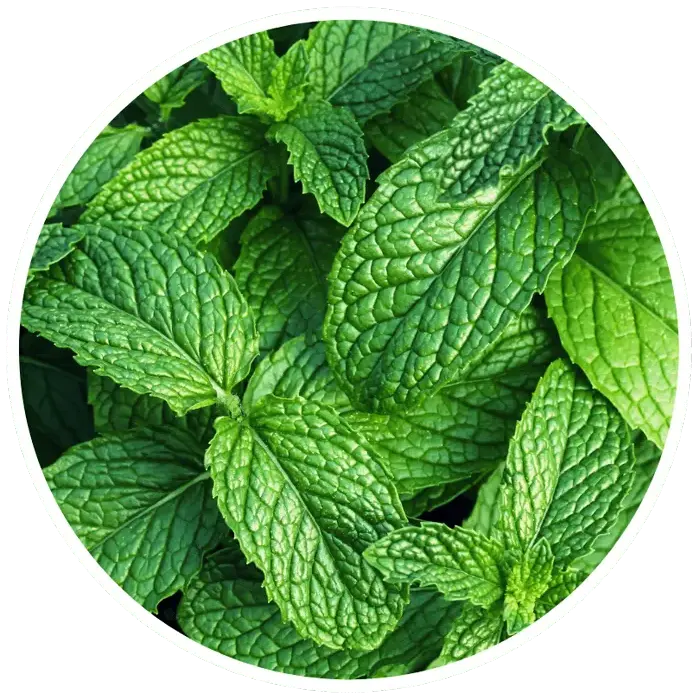
Mint
Refreshment in every sip
Mint is a herb we all know well. It is perfect for teas and refreshing cocktails, but it can also be used in salads and with meat. It is an essential ingredient in many cosmetics, too, lending them its characteristic menthol scent. Mint is a perennial that grows easily in the garden or in a pot. It is best fresh, of course, but it can also be kept dried or as tinctures and macerates.
Why add it to a smoothie?
A few mint leaves give a smoothie a fresh menthol aroma and flavour. Traditionally, mint is drunk as a herbal tea after meals and is credited with being kind to the digestion.
What it contains: Menthol, tannins, bitter compounds, carotenoids, iron, potassium, calcium, magnesium, phosphorus, sodium, manganese, copper, zinc, omega-3 and omega-6 unsaturated fatty acids and vitamins A, B and C.
-

Honey
A sweet classic that almost never goes off
Honey is one of nature’s small wonders. It has an exceptionally long shelf life – well sealed and properly stored, it keeps for years. So if you have an older jar at home that has crystallised in the meantime, there is no need to worry: go ahead and use it. It is extremely sweet, but it is still sugar, so use it in moderation.
Why add it to a smoothie?
Honey gives a smoothie a wonderfully sweet taste and a delicate floral aroma, and it is a quick source of energy. A single spoonful is enough to balance the bitterness of leafy greens and the sharpness of citrus. Traditionally, it is also stirred into warm tea.
What it contains: Mainly natural sugars; in small amounts also iron, zinc, potassium, calcium, phosphorus, magnesium, selenium, vitamin B6, thiamine, riboflavin, pantothenic acid and niacin.
-
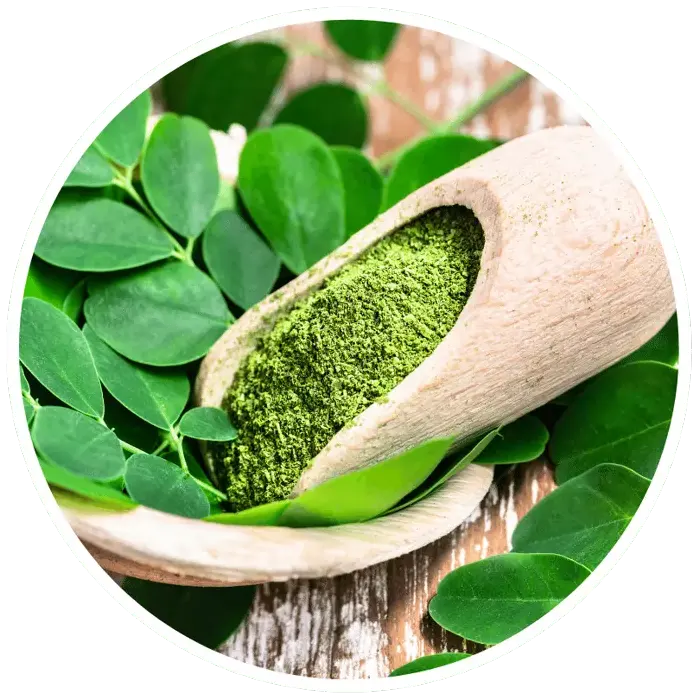
Moringa
A super-powder packed with vitamins
Until recently moringa was relatively unknown in our part of the world. But in northern India, where it comes from, and throughout South and South-East Asia it is highly prized. It is a tree of which almost every part is eaten. The powder, now easy to buy here too, is made from moringa leaves. It is good not only in smoothies – you can add it to salads and desserts or sprinkle it over the ever-popular avocado toast.
Why add it to a smoothie?
A spoonful of moringa powder gives a smoothie a deep green colour, a mildly grassy taste and the vitamins and minerals of the leaves.
What it contains: A high content of vitamin C, vitamin A, magnesium and iron.
-
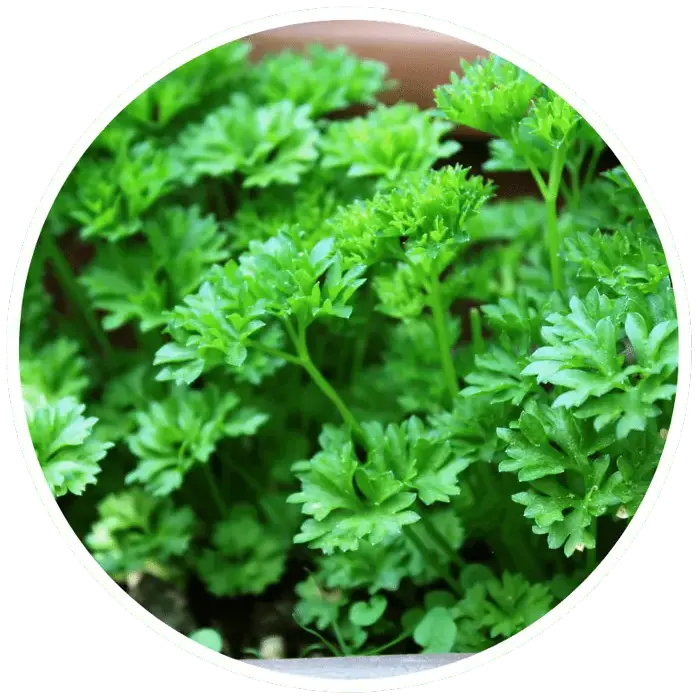
Parsley leaves
A herb to enjoy in more than just chicken soup
Parsley is one of the most readily available herbs there is. Most of us know the green part of the plant from broth, or as the indispensable garnish of socialist-era food styling. But it has far wider uses. It is excellent in salads, sauces and with meat. And in a green smoothie, too.
Why add it to a smoothie?
A handful of parsley leaves gives a smoothie a fresh herbal flavour, along with vitamin C, vitamin K and iron.
What it contains: Iron, zinc, calcium, copper, magnesium, phosphorus, potassium, sodium, selenium, manganese, omega-3 and omega-6 fatty acids, vitamins A, B1–B3, B6, C, E and K, lutein and folic acid.
-

Orange
A store of vitamin C in every segment
Oranges originated in far-off China. From there they spread around the world and today they are grown successfully in southern Europe and other warm regions. These juicy fruits are popular for more than just their high vitamin C content. You can happily enjoy them every day – as fruit or as juice. Ideally, though, freshly squeezed and with no added sugar.
Why add it to a smoothie?
Orange gives a smoothie juiciness, a fresh sweet-and-sharp taste and a good dose of vitamin C, which contributes to the normal function of the immune system and to the reduction of tiredness and fatigue.
What it contains: Up to 87% water, vitamin C, vitamins A, E, B1, B2 and B6, bioflavonoids, iron, potassium, calcium, copper, selenium and fibre.
-
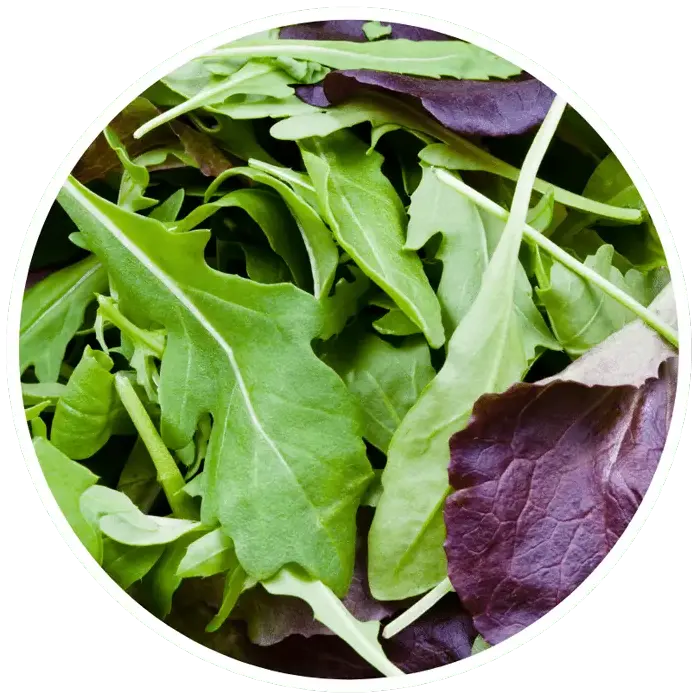
Rocket
Almost-forgotten leaves that found their way back
Cooks in the Mediterranean have been using rocket since antiquity. Later, however, its popularity waned: its peppery, slightly bitter taste is not to everyone’s liking. Fortunately, word got out about how many valuable nutrients it contains, and rocket has returned to our tables as a star of modern cooking. It is not just for green smoothies. It can be eaten raw or even cooked. Chopped, it stands in for herbs. You can add it to salads, sandwiches, soups and pizza, or turn it into pesto.
Why add it to a smoothie?
Rocket gives a smoothie a peppery, slightly nutty kick, along with vitamin K, folic acid and beta-carotene. Ever since Roman times it has also traditionally had a reputation as a natural aphrodisiac.
What it contains: Lutein and beta-carotene, vitamins A, B, C, E and K, potassium, calcium, phosphorus, magnesium, sodium, iron, zinc, manganese, selenium, copper and omega-3 and omega-6 fatty acids.
-
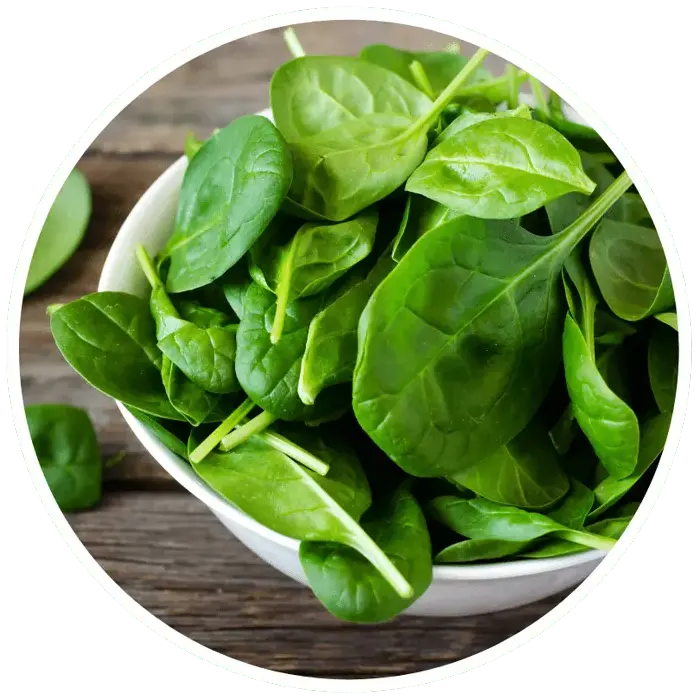
Spinach
Green gold full of vitality
We were all told as children that spinach is good for us. Yet it takes many people years to come round to it, and parents often have to resort to all sorts of tricks to get spinach into their children. In fact it is a very tasty and widely available leafy green. It is also undemanding and easy to grow, even at home in a pot.
Why add it to a smoothie?
Baby spinach has a mild, almost neutral taste, which makes it the ideal base for a green smoothie. It adds colour, vitamin K, folic acid and beta-carotene. But take note – it also contains a lot of oxalic acid, which can hinder calcium absorption. So it is a good idea to alternate it with other leafy greens and not to overdo the quantity.
What it contains: Vitamin A, B vitamins, vitamins C, E and K, oxalic acid, silicon, iron, manganese, magnesium, potassium, calcium, iodine, copper, zinc and sodium, and omega-3 and omega-6 fatty acids.