An inseparable pair
Lavender & Provence
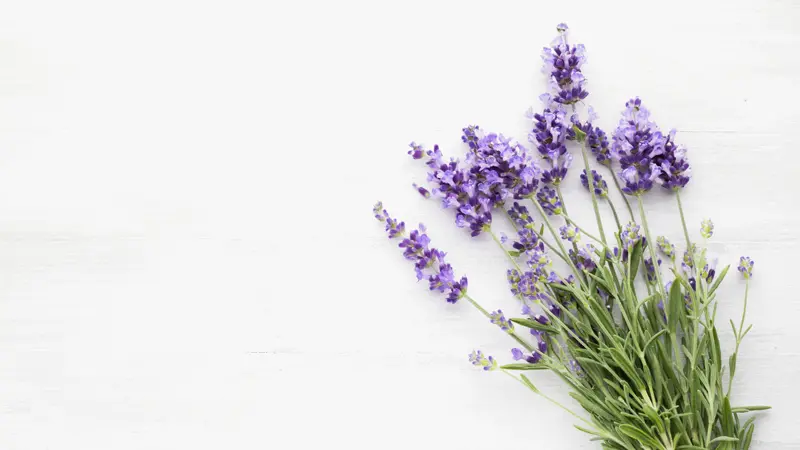
We cannot even imagine Provence without lavender. Why does it have such a strong place here?
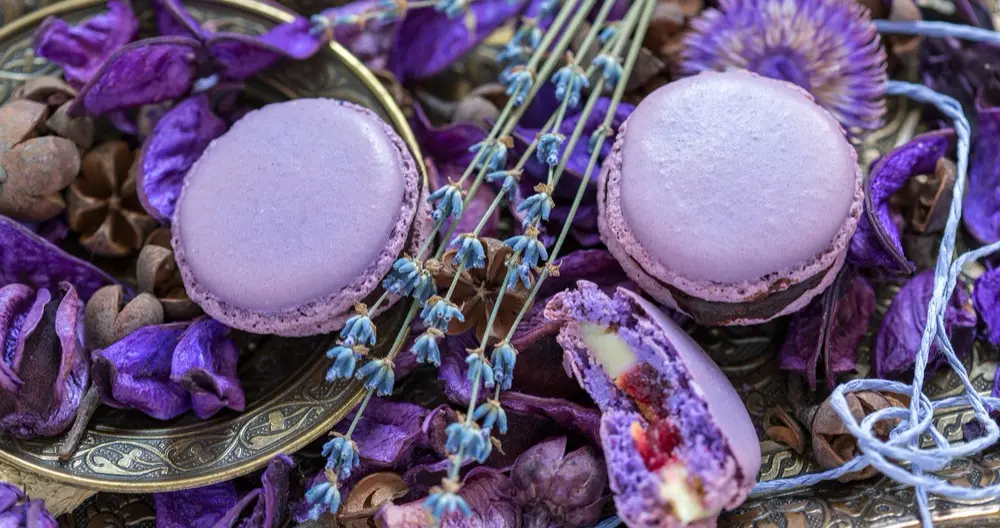
Lavender is native to the western Mediterranean and grows wild in Provence. The Romans already used it for its unmistakable scent, in their baths and to perfume their linen. Today it is still used mostly in cosmetics. But it has also found its way into the kitchen as a complementary ingredient in some desserts.
When to go to Provence for the lavender?
- In bloomJune–July (from mid-June; at higher altitudes around Sault into early August)
Lavender’s journey through early history
The history of lavender reaches far back into the past. It comes from the Mediterranean and the Middle East, where it is, after all, still most widespread today.
The first written mentions of this herb are said to be more than 2,500 years old. The ancient Egyptians reportedly used it widely to make perfumes, bath oils and various ointments. Wealthy Egyptians wore scented cones of wax and aromatics under their wigs, which melted in the heat and surrounded the wearer with fragrance. Lavender is also mentioned in connection with the embalming of mummies, and the story goes that jars of unguents from Tutankhamun’s tomb contained something resembling lavender.
Unlike the Egyptians, the ancient Greeks started from the ground up. They rubbed scented ointments not on the head but on the feet. The philosopher Diogenes is credited with the explanation that scent from the head escapes into the air, whereas from the feet it rises upwards – straight to the nose.
The Romans, for their part, noticed that lavender not only smells lovely but that insects dislike its scent, and began to use it around the home as well. The first records of lavender being used in the healing practices of the day also date from their time.
In the Middle Ages lavender growing retreated mainly behind monastery walls. It had to wait a few centuries for its return to the limelight. But since then it has been with us without a break...
How to grow lavender properly
Growing lavender
Although the largest and most famous lavender fields are to be found in Provence, your own garden can be filled with the heady scent of lavender too.
- SoilLight, well-drained soil is ideal.
- WaterGrown outdoors, lavender gets all the water it needs from rainfall.
- SunLavender loves sunshine. It should get at least 6 hours of sun a day.
Where it thrives and the main types
Lavender does best in regions with sunny, temperate summers and mild, dry winters. Besides Provence, it is found in other areas around the Mediterranean, as well as in parts of Russia, the USA and North Africa.
There are in fact more than 40 species of lavender. These are the four you are most likely to come across:
Lavandula angustifolia
True lavender, also known as English lavender – it is frost-hardy.
Lavandula stoechas
It has grey-green leaves and a very intense scent; it is also known as French (or Spanish) lavender.
Lavandula latifolia
Spike lavender – a warmth-loving Mediterranean shrub.
Lavandula × intermedia
Lavandin – a sterile hybrid of true lavender and spike lavender.
Tips for growing lavender
- Lavender does not need feeding. It is an undemanding little plant that actually prefers poorer soils. If you fertilise it (too much), you will get more leaves at the expense of flowers.
- Water lavender only when transplanting it. After that it should manage on rainfall alone. Otherwise it may start to rot and go mouldy.
- Once lavender has finished flowering, it needs cutting back to keep it vigorous. Cut everything except the woody parts.
- Some kinds of lavender can be left to overwinter in the ground. Others, however, are sensitive to frost. To be on the safe side, dig the lavender up and overwinter it in a cool room.
Lavender & beauty

In skincare
The scent of lavender is associated with calm and rest, so it is no surprise that it has found a place in body and skin care. You will come across it in lavender toners and creams.

In hair care
Lavender oil is also used in scalp care. A regular, gentle massage with lavender oil makes a pleasant, fragrant ritual.
It can be used in various forms
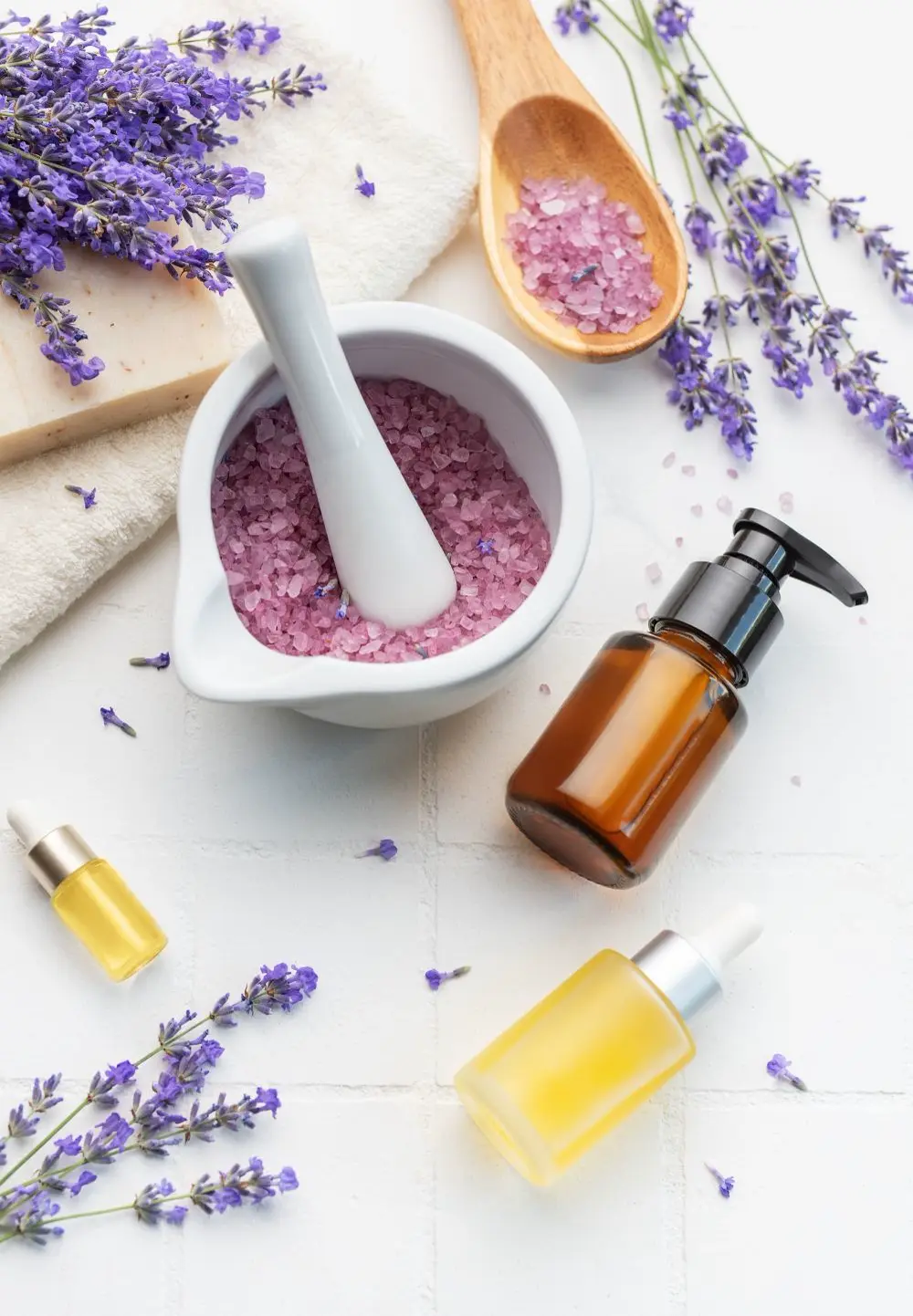
In cosmetics and in body, skin and hair care, lavender water or lavender oil is used most often. But the flowers themselves – fresh or dried – can be used too, for example added to a bath.
What tradition says and what science is studying
Lavender and health
When it comes to lavender in traditional healing, one cannot fail to mention Persia and the scholar still regarded as one of the fathers of medicine. That is, of course, Abu Ali ibn Sina, alias Avicenna, who lived at the turn of the 10th and 11th centuries. According to historical sources he recommended lavender for epilepsy and migraine attacks, for instance – though this was the practice of his day, not present-day medical advice.
For centuries lavender was traditionally used for its intense scent in ointments and preparations to mask body odour. Its fragrance was associated with relaxation, so people reached for it when they wanted to unwind. Folk healers also used it for burns, insect bites and various cramps.
Both traditional use and more recent research are covered by the review article Lavender and the Nervous System, published in 2013 and available from the National Library of Medicine. Its authors summarised the laboratory and clinical studies of lavender oil and the nervous system carried out up to that time. They described the results of some of them as promising, but also pointed out that many studies were small, short and methodologically weak, and that further research is needed.
Lavender, then, is not a medicine. If you have a health problem, consult your doctor.
How to make lavender oil
Home-made lavender oil
Ingredients
- olive oil or another good-quality oil
- lavender flowers, stripped from the stems
Method
- Put the oil and the lavender flowers in a pan. Stir well so that the flowers are completely submerged.
- Set the pan in a water bath and start heating.
- Heat for up to three hours – check regularly that the water has not boiled away, and stir now and then so that all the essential oils are released.
- Leave to cool, then strain thoroughly and store in a dark container.
Let lavender into your kitchen
Recipes with lavender
Lavender is one of the most popular aromatic herbs in the world. It has found its way into all kinds of dishes – desserts, salads and meat. It is a relative of mint, which shows in its taste and scent. At this point, though, keen cooks need a reminder that only one kind of lavender is normally used in the kitchen – true lavender (Lavandula angustifolia), with its gentler, sweeter aroma. That way your recipes will not taste like soap. So what can you make with lavender?

Lavender ice cream
Summer lovers will be delighted. Lavender goes very well in ice cream. It is delicately flavoured, creamy and beautiful to look at, too. The lavender flowers give it a subtle hint of mint.
Lavender lemonade
Lavender goes beautifully with the freshness of lemons. Combine them in a lemonade, add ice and perhaps a little brown sugar, and you have a wonderful summer refreshment.
Lavender muffins
Simply add lavender to your favourite muffin recipe and you have a unique, luxurious dessert. It pairs very well with sharp-tasting fruit.
Lavender brownies
Chocolate and lavender are a great match as well. So you can add it to your favourite recipe for delicious brownies, for example.