
Love at First Scent · The Sensual World of Arabian Perfumes
Smell is a potent wizard that transports us across a thousand miles and all the years we have lived.
One breath is enough. A half-familiar scent drifts past and suddenly you are standing in your childhood kitchen, on a sun-warmed jetty by the sea, or very close to someone you haven’t thought of in years.
This is a story about scents that can do that. About rose, oud and the smoke of an incense burner, about her and about him – and about a world where perfume belongs not only on skin but in clothes, in the home and in the way guests are welcomed.
 Her
The art of leaving an impression
Tender in the morning, uncompromising by afternoon, unreadable at night. Each of those selves suits a different scent: white musk that only someone close will notice, rose with saffron, or dark oud. Six moods – and none of them compulsory.
Six moods of her scent
Her
The art of leaving an impression
Tender in the morning, uncompromising by afternoon, unreadable at night. Each of those selves suits a different scent: white musk that only someone close will notice, rose with saffron, or dark oud. Six moods – and none of them compulsory.
Six moods of her scent
 Him
A presence you can’t miss
Charisma isn’t measured by whether a perfume carries across the room. Sometimes it is oud and smoke, sometimes cardamom with dry vetiver – and sometimes a scent so quiet that only someone allowed to come closer will catch it. Six moods, from strength to tenderness.
Six moods of his scent
Him
A presence you can’t miss
Charisma isn’t measured by whether a perfume carries across the room. Sometimes it is oud and smoke, sometimes cardamom with dry vetiver – and sometimes a scent so quiet that only someone allowed to come closer will catch it. Six moods, from strength to tenderness.
Six moods of his scent
When two worlds meet
Rose isn’t for women and oud isn’t for men
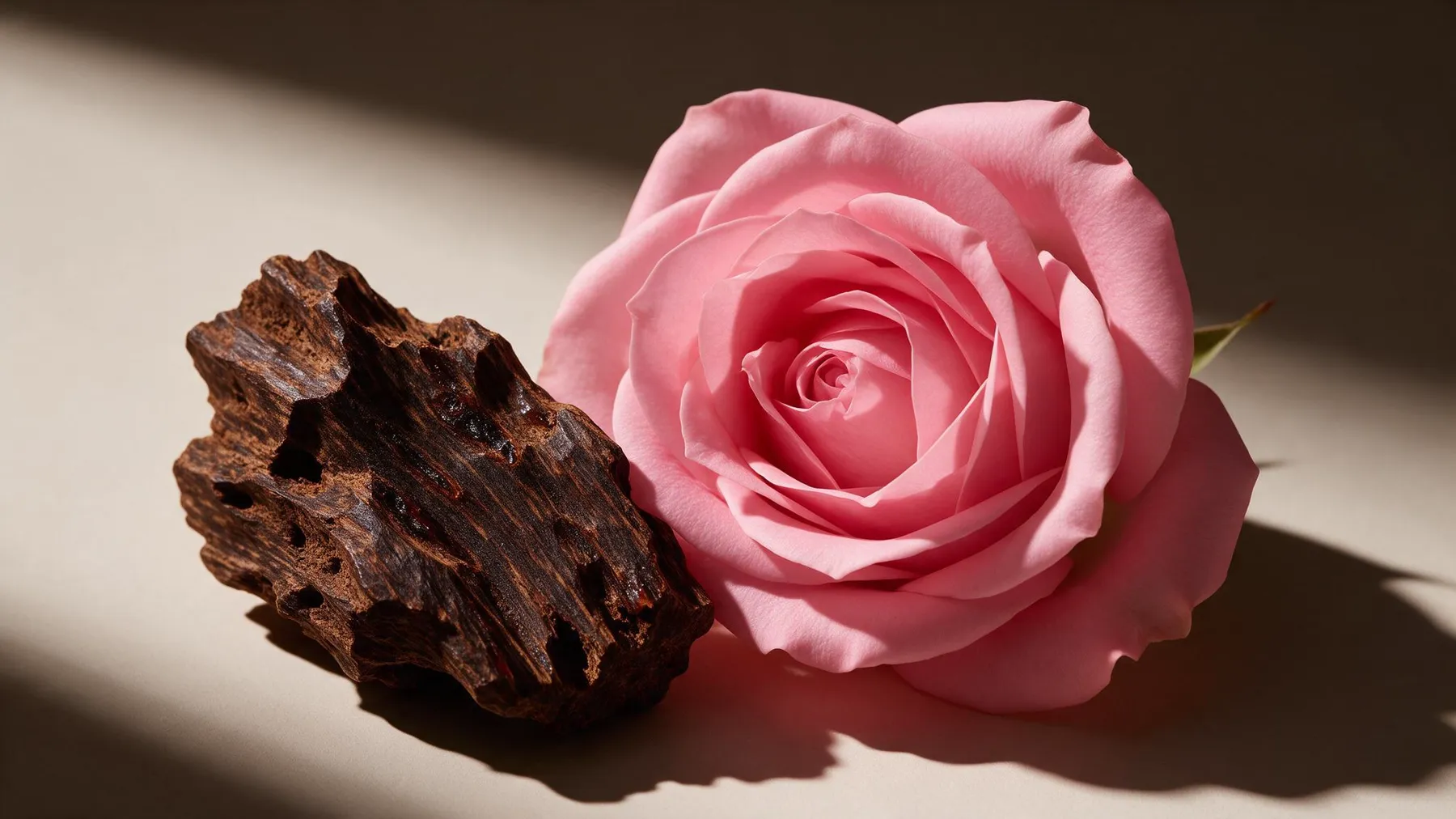
That flowers are for women and woods for men is a habit of Western marketing, not a property of the materials. In the perfumery of the Arabian Peninsula, rose, oud, saffron and musk are worn by everyone – taste decides, not the label on the box.
The same note also plays a different part in every composition. Rose can be fresh and light, yet beside oud it darkens and turns grave. Wood can sound creamy and quiet, a flower dramatic. It depends on what stands next to it – and on who is wearing it.
Which is why some notes turn up on her page and on his. That isn’t a filing error. It’s the point.
-
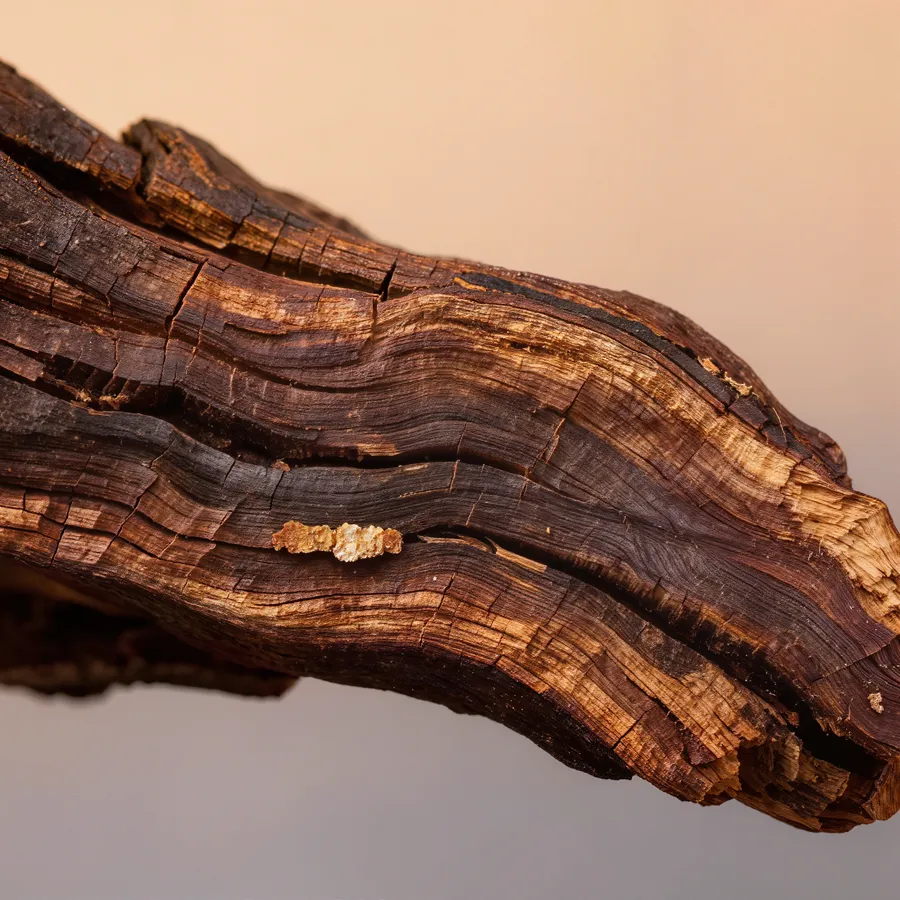
Rose + Oud
Dark wood gives the softness of the flower weight and smoke – a pairing that suits anyone.
-
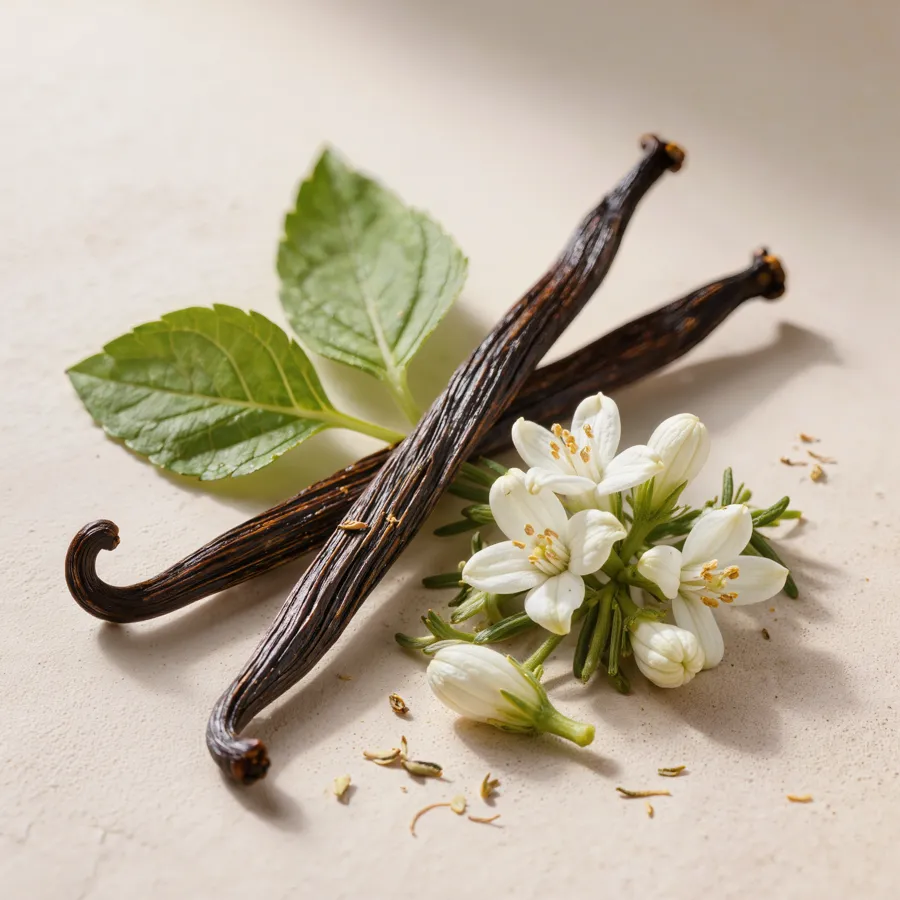

Vanilla + Tobacco
The dry, earthy leaf reins in the sweetness, and dessert becomes the smell of an old library.
-
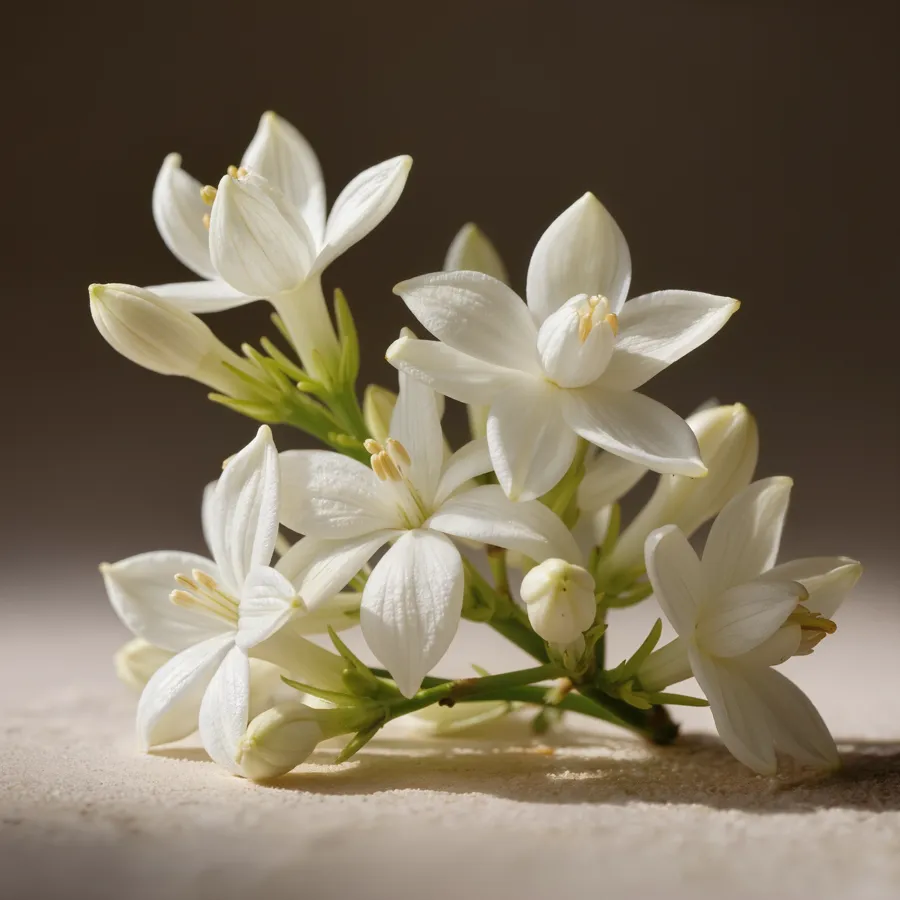
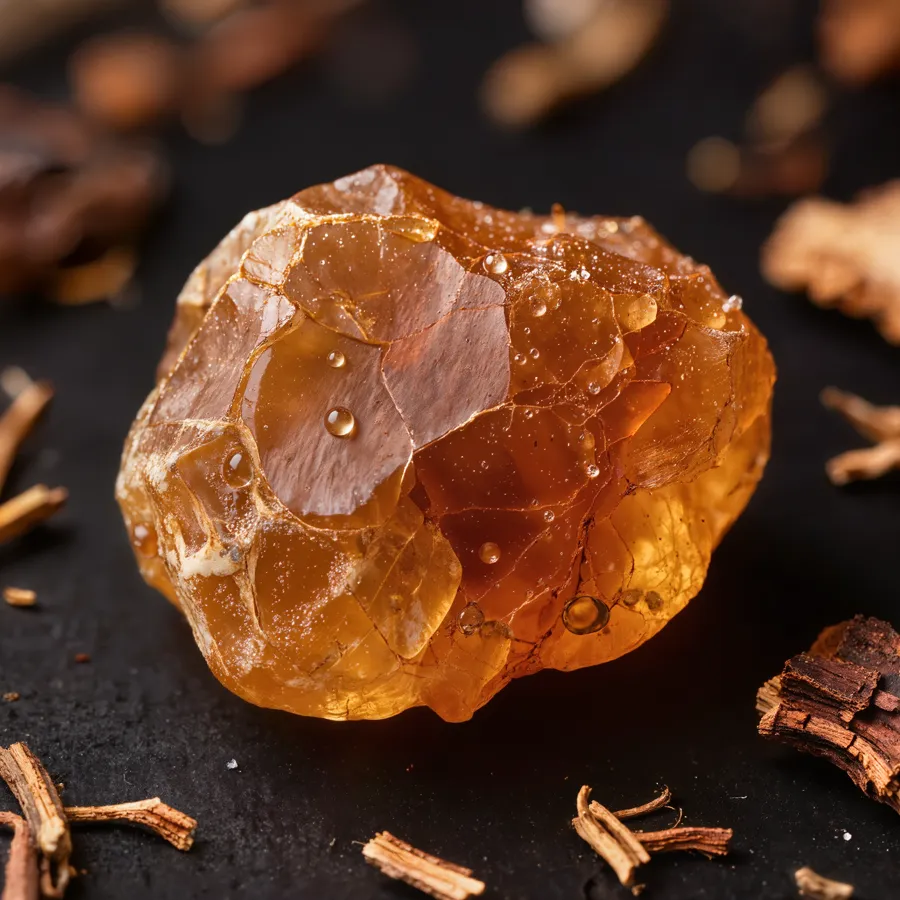
Jasmine + Frankincense
A heady white flower wrapped in cool, resinous smoke suddenly feels solemn and ceremonial.
-
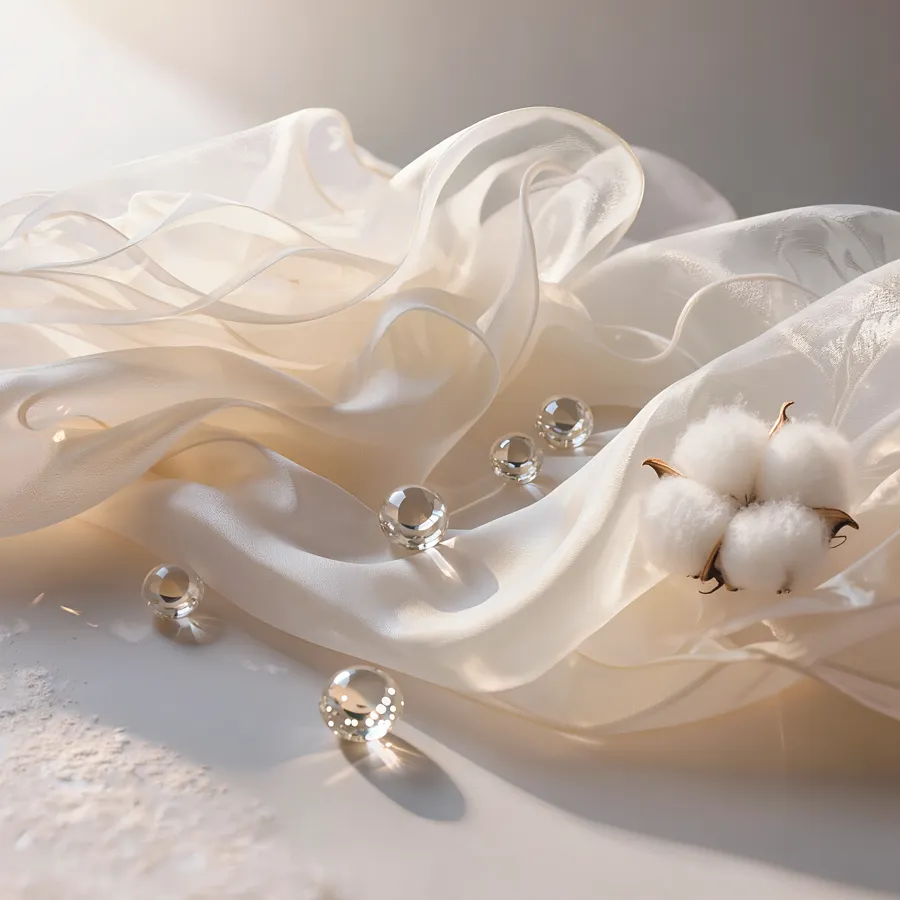
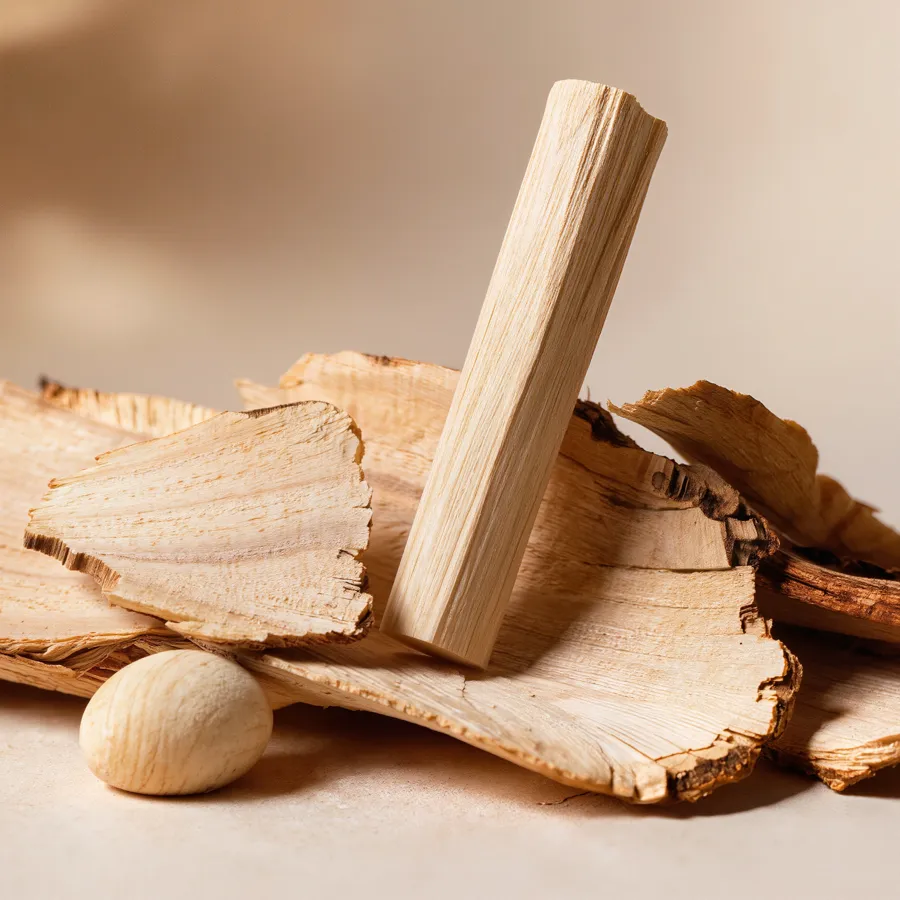
White musk + Sandalwood
Clean and creamy: a quiet, close-to-the-skin scent you will find on her page and on his.
Fragrance finder
Find the scent that tells your story
This is not a ranking of the best perfumes. Choose what draws you – a mood or particular notes – and we will show you a few Arabian fragrances with that character. Treat it as a starting point: your own skin always has the final say.
Choose at least one note and we will show you fragrances that contain it.
Fragrances from Notino
The science of scent
The scents we remember
Why can a scent take us back thirty years faster than a photograph? Smell has an unusually short route to emotion and memory – and science has a fairly good idea of where it runs.
-
The short road from nose to emotion
Scent molecules bind to olfactory receptors in the nasal cavity and the signal travels to the olfactory bulb. From there – unlike sight or hearing, with no obligatory stop in the thalamus – it goes straight to the olfactory cortex. Only a few synapses further on lie the amygdala, which weighs the emotional meaning of what we perceive, and the hippocampus, which is essential for personal memories.
Which is partly why a scent can move us before we have worked out why.
-
The Proust phenomenon: time travel in a single breath
Marcel Proust had the narrator of In Search of Lost Time dip a madeleine in tea – and with its taste and smell, his childhood came back. Psychologists named the effect after him and set about testing it.
In 2002 Rachel Herz and Jonathan Schooler found that memories evoked by a smell were more emotional than the same memories evoked by an image or a word. A Swedish study in 2006 showed that scents most often took older adults back to the first ten years of life, whereas words and pictures tended to lead to their teens. Such memories are no more accurate, though. They only feel more vivid.
-
Why the same scent says something different to everyone
To one person rose means romance, to another their grandmother’s garden, to a third a hospital room. The brain ties scents to the situations in which it met them – for better and for worse.
Some things we do share. In 2022 an international team asked more than two hundred people from nine cultures, from hunter-gatherers to city dwellers, to rank smells by pleasantness. Culture explained about 6% of the differences, the molecule itself 41% and personal taste 54%. Vanillin came out on top. So there is no list of ingredients that guarantees romance or calm for everyone.
54 %personal taste41 %the molecule itself6 %cultureWhat decides whether we like a smell (Arshamian et al., 2022) -
Can a perfume change your mood?
The careful answer is that a scent alone guarantees nothing. Yet Rachel Herz’s 2016 review of the research shows that smells linked to a pleasant personal memory can lift mood and dampen some of the body’s stress responses. The memory does the work, not the ingredient.
In a small 2004 study, participants’ amygdalae responded more strongly to a perfume that held personal meaning for them than to one that did not. So jasmine will not make anyone more attractive, nor oud any braver. But a perfume tied to a good day can bring that day back – we wear it for ourselves, too.
-
The loveliest scent needn’t be the most expensive
A perfume’s value lives in two worlds. One is made of materials, craft and the bottle. The other forms in memory: an ordinary scent becomes unforgettable because of the person who wore it, and the rarest one says nothing if we have no bond with it.
A perfumer can compose a fragrance. Its story is finished by whoever wears it.
A world where scent is part of life
Bakhoor, attar and the art of layering: Arabian scent traditions
Imagine a house where scent greets you before anyone has said a word. Smoke rises from a small ornate vessel, wood mingles with sweetish resin, and from somewhere comes the smell of coffee with cardamom.
In many homes on the Arabian Peninsula, scent is not just a matter of personal taste. It is part of looking after the house, of feast days and of how guests are received. The bottle on the dressing table is only one option among several.
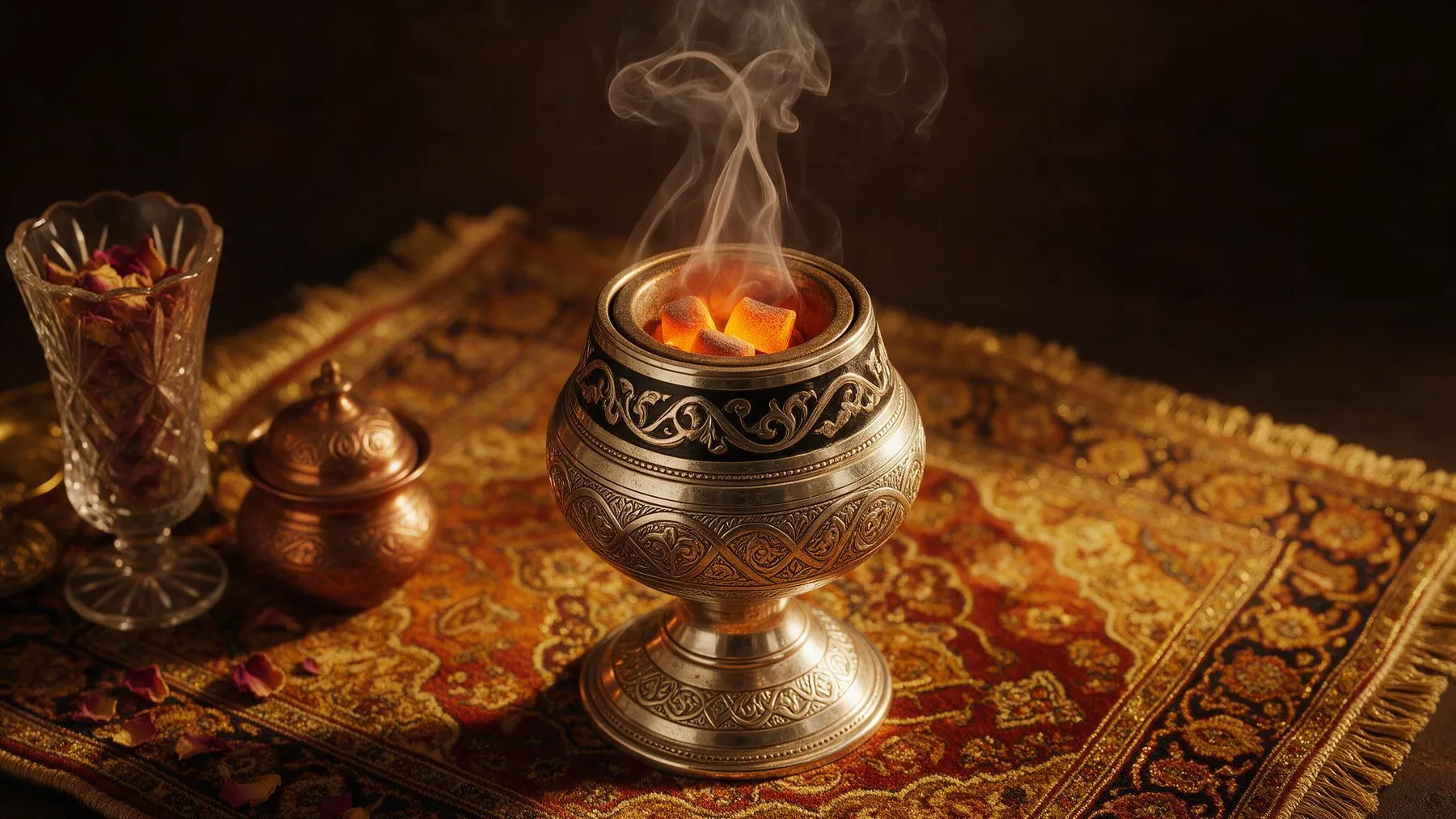
Bakhoor: when home smells of smoke
Bakhoor, also called dukhoon in the Emirates, is chips of fragrant wood or pressed blends soaked in oils and resins. It is heated in a burner called a mabkhara – traditionally over a glowing coal, nowadays often an electric one. The smoke perfumes the room, but also clothes and hair, and in many countries of the region the burner is passed round among the guests.
The most prized material is oud: the wood of Aquilaria trees which, after a fungal infection, becomes saturated with dark, fragrant resin. It smells woody, balsamic, smoky – and every piece a little differently.
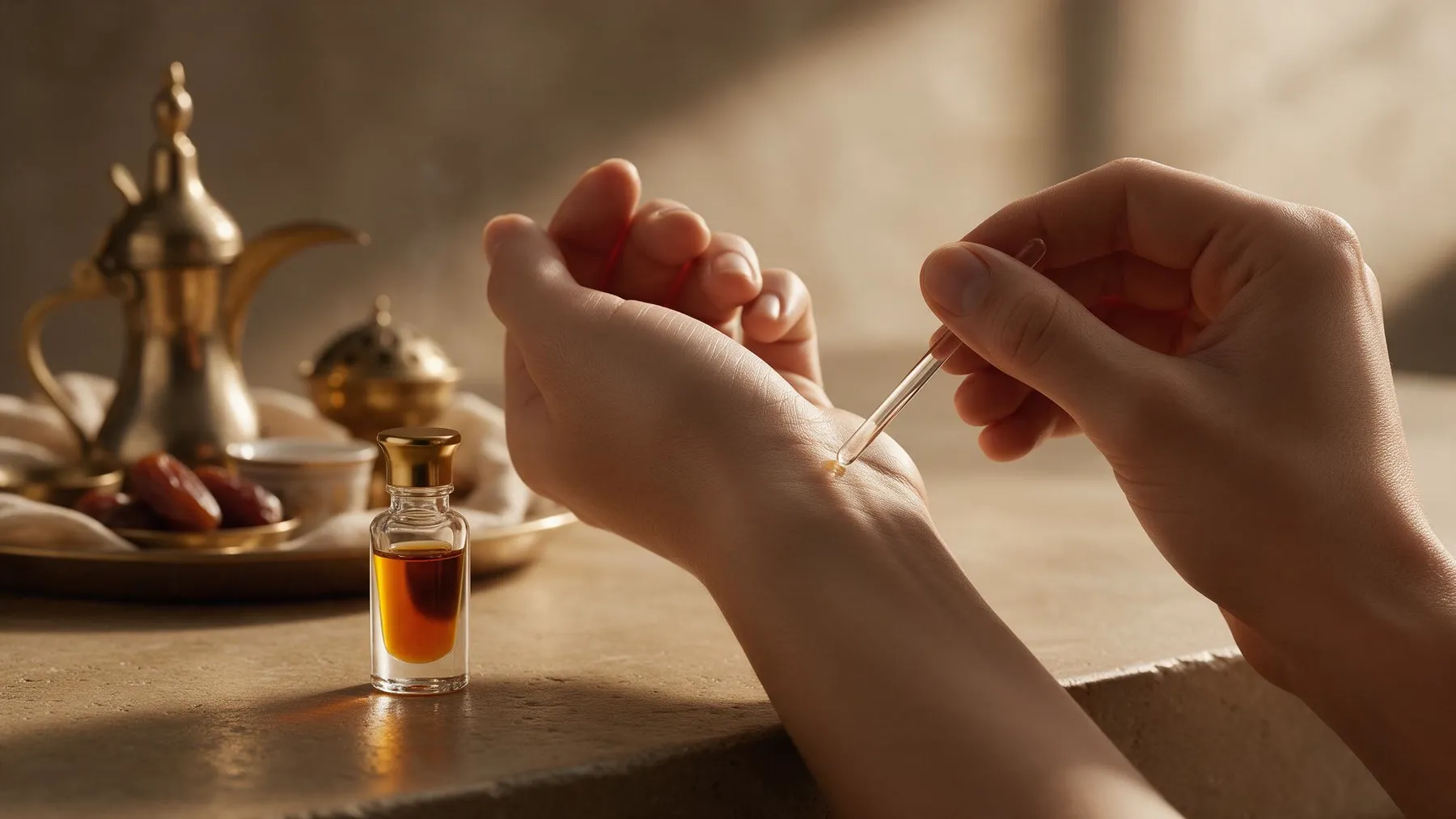
Attar: perfume without alcohol
The word attar comes from the Arabic ʿitr, perfume. Strictly speaking it means essences obtained by distilling flowers, woods or spices, traditionally into sandalwood oil; today the name is commonly given to other oil-based perfumes as well.
Oil is not applied in a cloud from an atomiser but as a drop on the wrist. It stays closer to the body, which does not automatically mean it lasts longer – that depends on the composition. A favourite is dahn al oud, pure oud oil, alongside rose and musk oils.
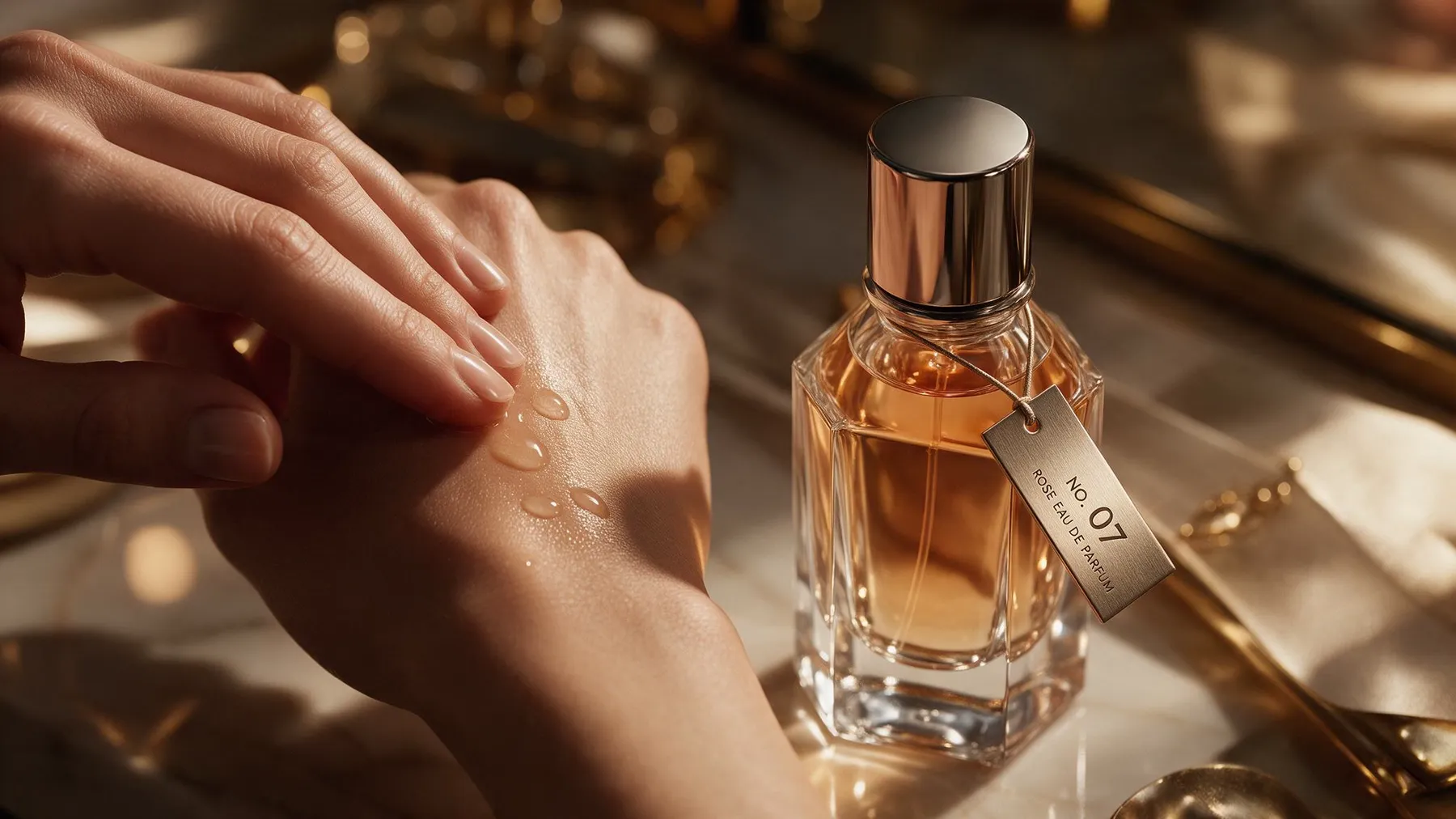
Layering: perfume as your own composition
One scent is often not enough. Clothes take up the smoke of bakhoor, an oil goes on the skin and a spray perfume over the top. The layers need not come from one brand or one collection.
Rose turns grave beside oud, vanilla softens dry wood, saffron warms flowers. The result cannot always be predicted, so start small: try each scent on its own first, and only then together. Two people with identical bottles can end up smelling entirely different.

Scent as hospitality
Arabic coffee – gahwa – with cardamom, dates and a scented majlis, the room where guests are received, belong to a traditional Emirati welcome. In 2015 UNESCO inscribed Arabic coffee, a symbol of generosity, on its list of the intangible cultural heritage of humanity.
There is no fixed script; customs vary by family, region and generation. At Eid, though, many Emirati households perfume both the majlis and their festive clothes with oud. Scent here is not decoration. It is a courtesy towards the people who have come.
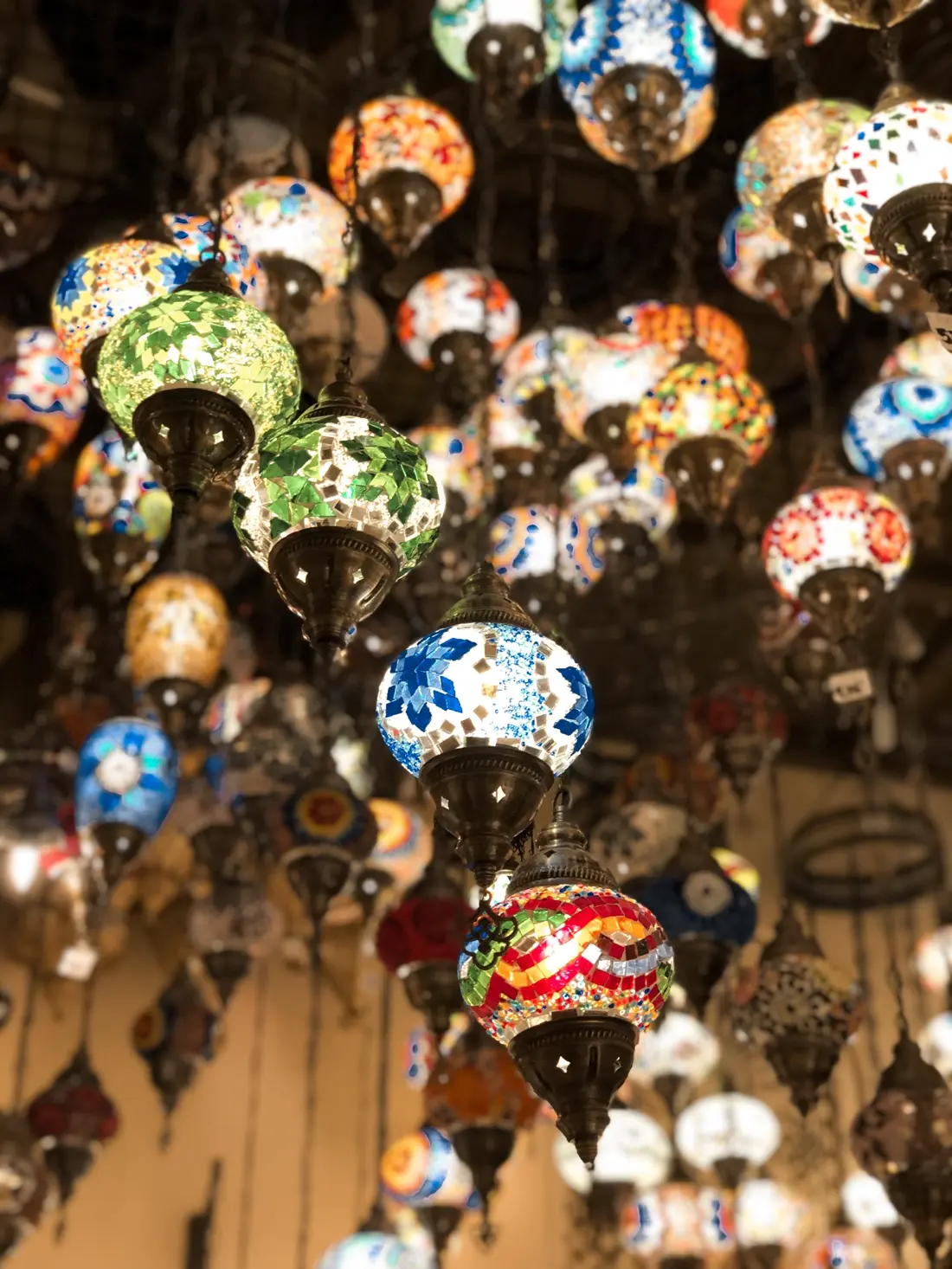
Abu Dhabi: from oud chips to contemporary bottles
In Abu Dhabi the two stand side by side: small bottles of concentrated oud oil and chips of fragrant wood with their burner, and a few shop windows along, contemporary collections for customers from all over the world. The emirate’s official visitor guide recommends oud, oud oil and dukhoon as typical things to take home, for instance from the Emirati brand Yas Perfumes.
This is no museum piece. Family customs meet international brands here, and the new fragrances stopped fitting into a single pigeonhole long ago. As for what the city offers beyond scent – that is told in our separate Abu Dhabi story.

The scent that stays
Perfume need not be just the final touch before leaving the house. It can be part of home, a family memory and a way of welcoming the people we care about.
And yours? Perhaps you already know it. Perhaps it is still waiting for you – one breath away.
 HerSix Moods of Feminine Allure
 HimStrength Needn’t Be Loud
 Atlas of fragrance notesThe Atlas of Fragrance Notes