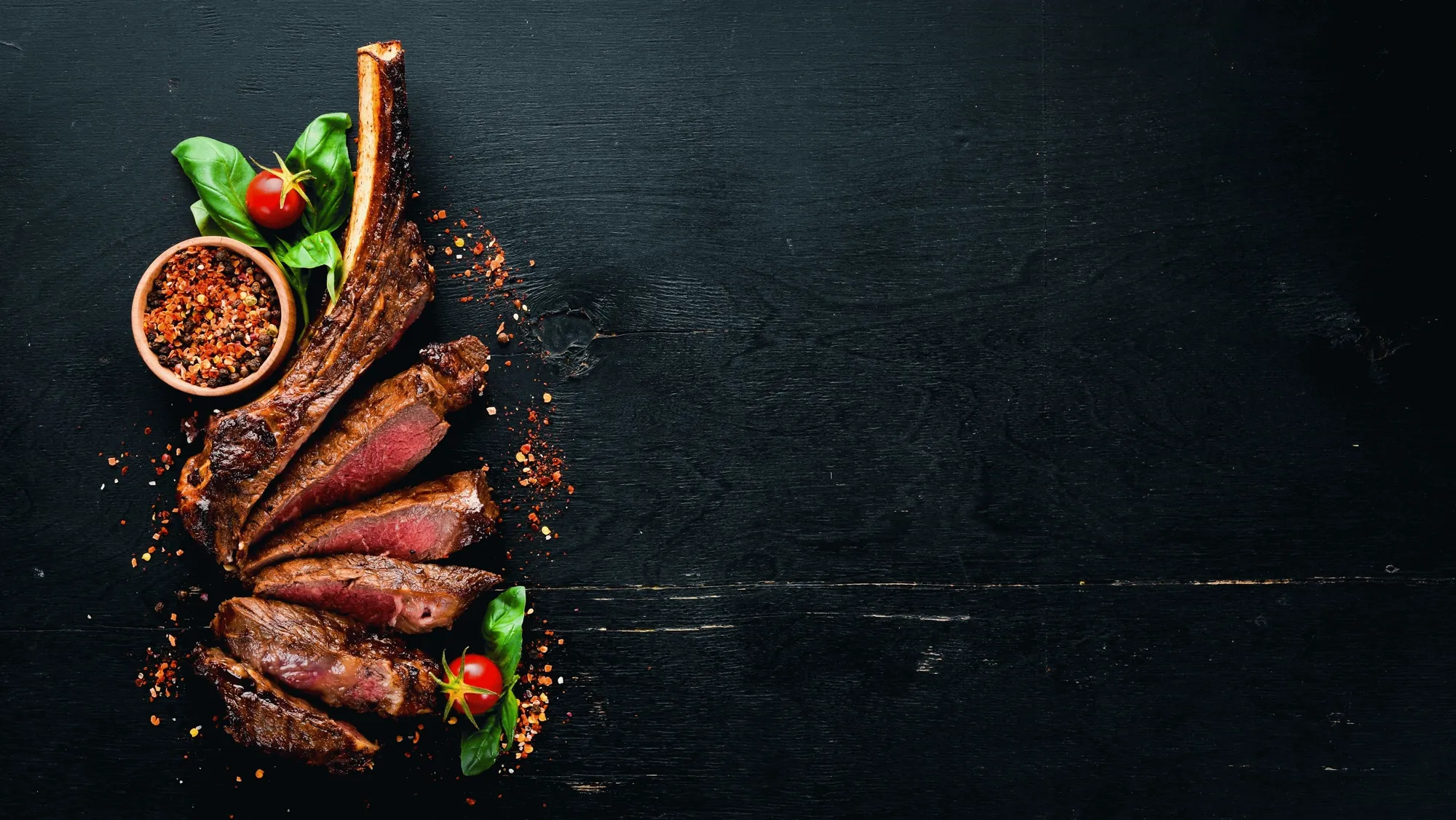
Steak: The Story of One Piece of Meat
Sizzling Traditions & Exotic Alternative Kitchens
Picture that glorious feeling. Juices run across your tongue as you bite into tender meat. The fibres give way, and then comes the moment you have been waiting for, when you finally get to swallow. Because you know another piece is right there on the plate. One is never enough. Not when the steak is perfect.
Join us for the past, present and future of the dish every meat lover and griller holds dear.

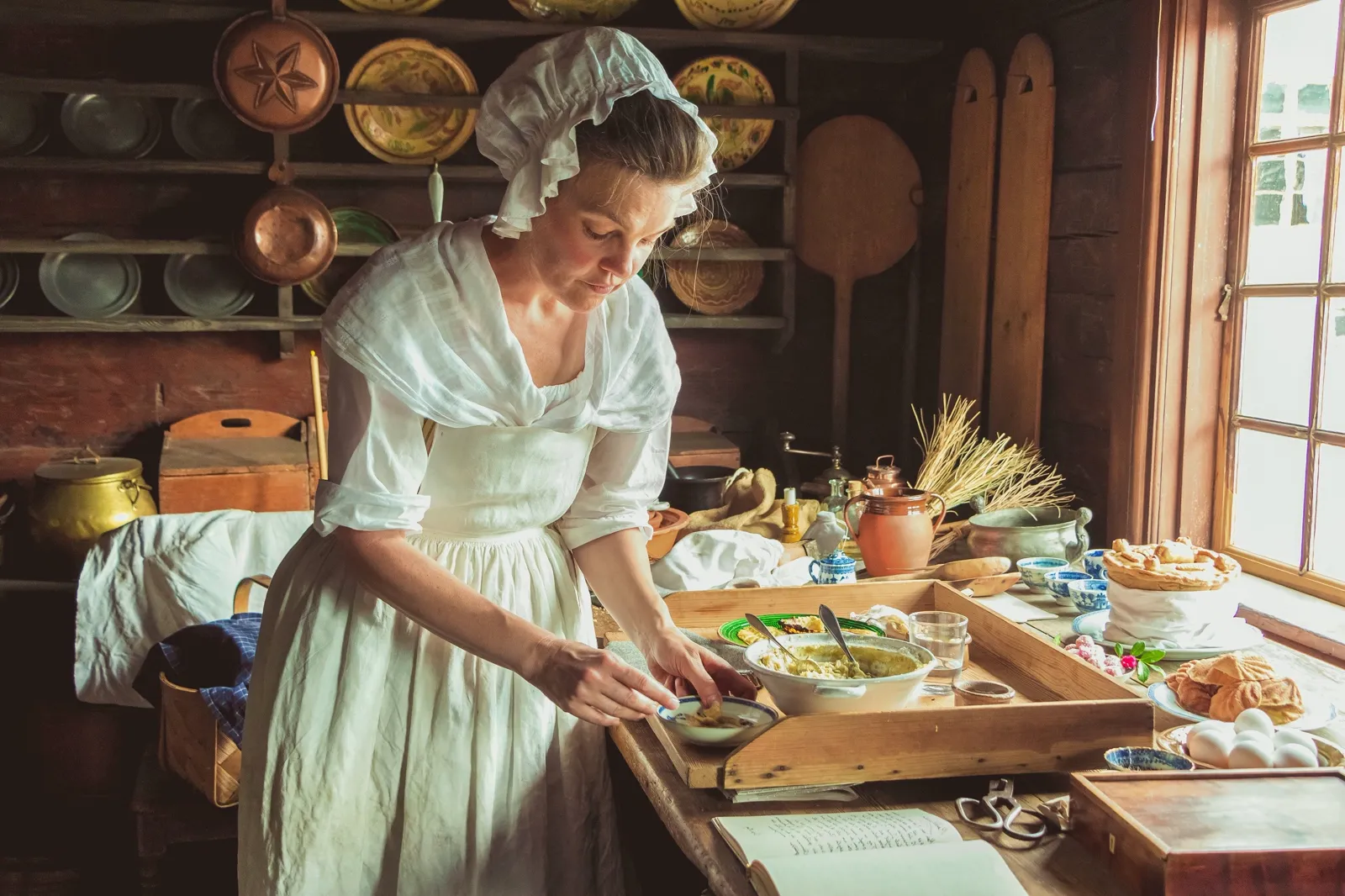

Then
Once upon a time…
How humans first sank their teeth into meat
2.6 million years ago
Our earliest ancestors lived mostly on plants. Meat and marrow from large animals entered the diet at least 2.6 million years ago. The oldest widely accepted evidence, cut marks on bones, comes from the site of Gona in Ethiopia. Traces like these are the long-time research subject of paleoanthropologist Briana Pobiner of the Smithsonian National Museum of Natural History in Washington, D.C.
15th century
The word steak has Nordic roots. Old Norse “steik” meant meat roasted on a spit. In English it first appears in a 15th-century cookbook as “stekys”, made from either beef or venison.
early 19th century
The Italians borrowed the word from the English: beefsteak became bistecca. Pellegrino Artusi described the famous bistecca alla fiorentina in his 1891 cookbook and made a point of noting that its name came from English.
mid-19th century
In New York, Delmonico’s had been open since 1827 and would become the most famous steak restaurant in American history. Around the same time, “beefsteaks” caught on among the city’s working class: celebratory feasts built around meat. The political machine Tammany Hall threw them regularly as campaign fundraisers.
Now
Steak tonight?
Steak cuts: which one is the best?
A proper piece of meat
The experience called steak begins with choosing the meat, whether you are grilling at home or ordering in a good restaurant. No two cuts are alike. Here is what to expect from each.
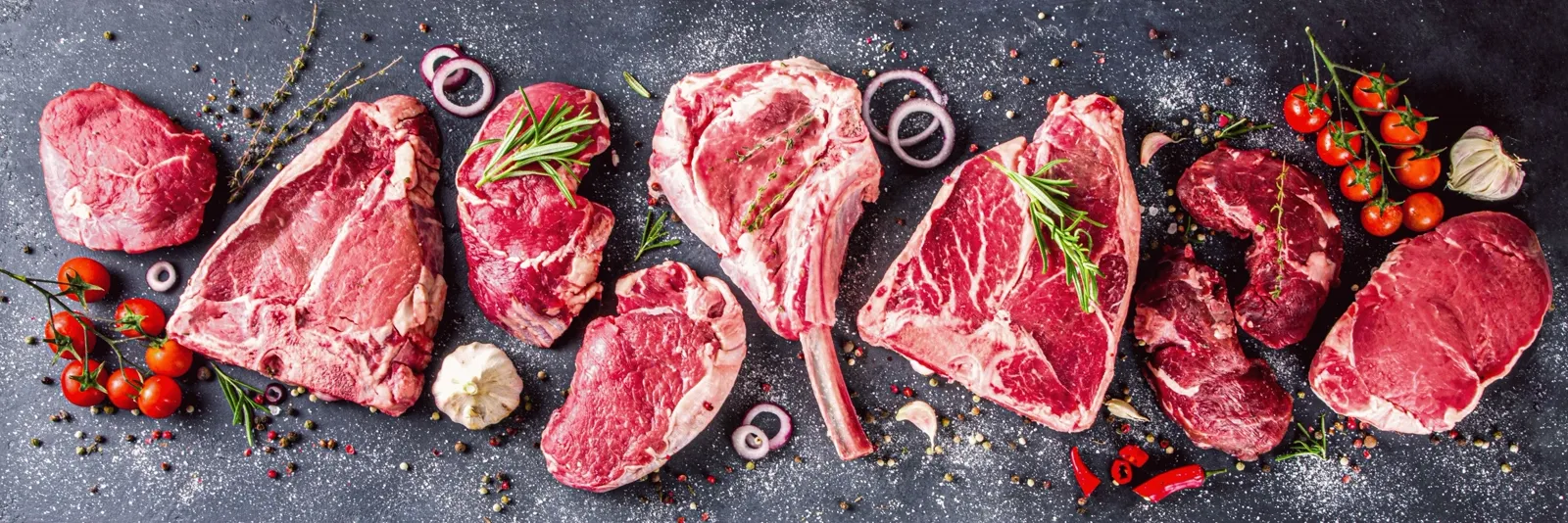

Tenderloin
A very tender cut, because the muscle does little work and the marbling is very fine. Ideal served with a bold sauce.
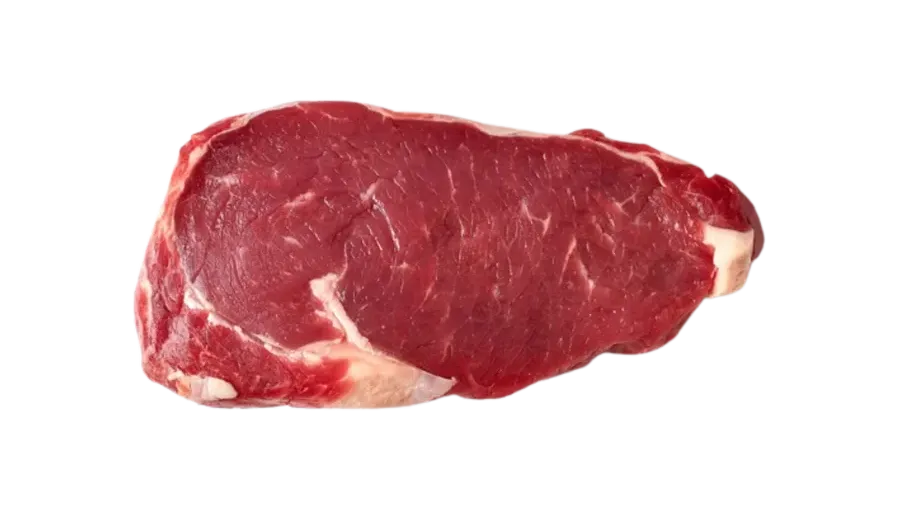
Rump steak
Low in fat, so it is often wrapped in bacon for cooking to keep it from drying out.
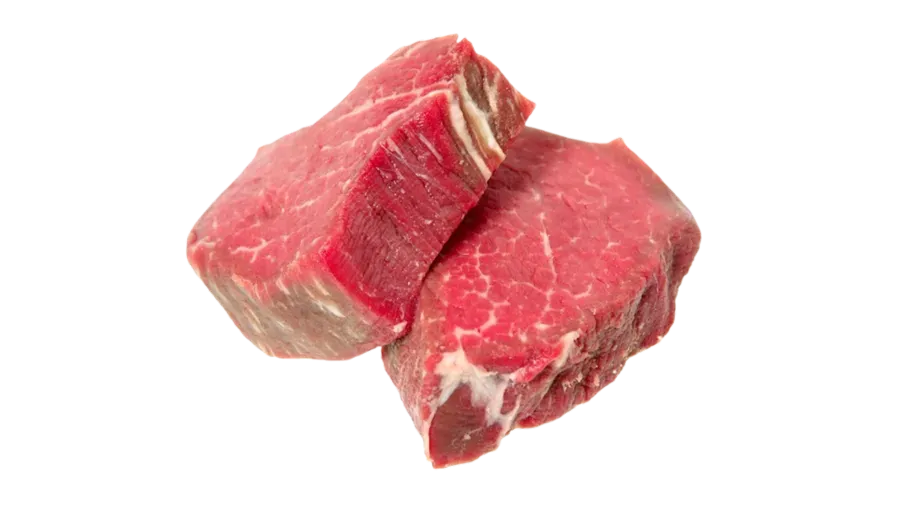
Fillet
Tender meat with little fat. All it needs is olive oil, black pepper and salt.
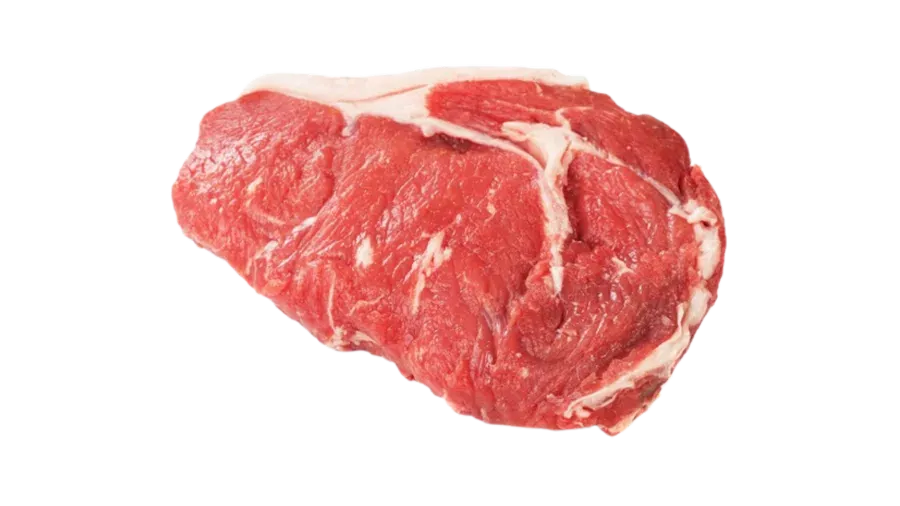
Rib eye
Fine-textured meat with generous marbling, which makes it exceptionally juicy. The second most tender cut after tenderloin.
Steak doneness levels
Every colour of steak
Start with the meat. Look for a steak 2–2.5 cm thick with good marbling. Do not fear the fat: some of it melts and keeps the steak beautifully juicy. After that, it is all a matter of minutes.
Medium rare
Warm red centre
- Core temperature
- 55–60 °C
- Each side
- 2–3 min
| Level | What it looks like | Core temperature | Each side |
|---|---|---|---|
| Blue rare | Very red, almost raw | 46–49 °C | 1 min |
| Rare | Red centre, soft to the touch | 52–55 °C | 1.5–2 min |
| Medium rare | Warm red centre | 55–60 °C | 2–3 min |
| Medium | Pink centre, firmer | 60–65 °C | 3–4 min |
| Medium well | Just a trace of pink | 65–69 °C | 5 min |
| Well done | Cooked through, no pink | 71 °C and up | 5 min or more |
Times are approximate and apply to a steak 2–2.5 cm thick in a very hot pan or on a hot grill. A thermometer is more reliable: take the steak off the heat about 3 °C below your target and let it rest for a few minutes while it finishes cooking.
The ideal steak has to be medium rare

We asked for you
We took our steak questions to people who know. The hosts of the Slovak food podcast Peklo v papuli never mince their words about gastronomy. Our questions were answered by Tono Meszároš, the more tattooed half of a likeable duo of chefs who champion Slovak food and beyond.
- Do you enjoy cooking steak? Or is it more of a chef's obligation?
- I enjoy cooking steaks, but they have to be medium rare, or medium at most.
- What should people watch out for when cooking steak? What is the most common beginner's mistake?
- You have to sear steak in a really, really hot pan or on a hot grill. The point is to seal the surface so the inside stays juicy.
- Which steak is your favourite? The one you can never resist?
- For me, steaks like rib eye and striploin are better than tenderloin.
- Do you remember the best steak you have ever had?
- I once had the chance to taste wagyu* and it is the best thing I have ever eaten.
- If you had to choose… a steak or a good cream puff?
- I will take the cream puff. I have had enough meat.
* “Wagyu” is Japanese for “Japanese cattle”. Dense marbling gives the meat an exceptionally rich flavour, and its fat can begin to melt at room temperature.
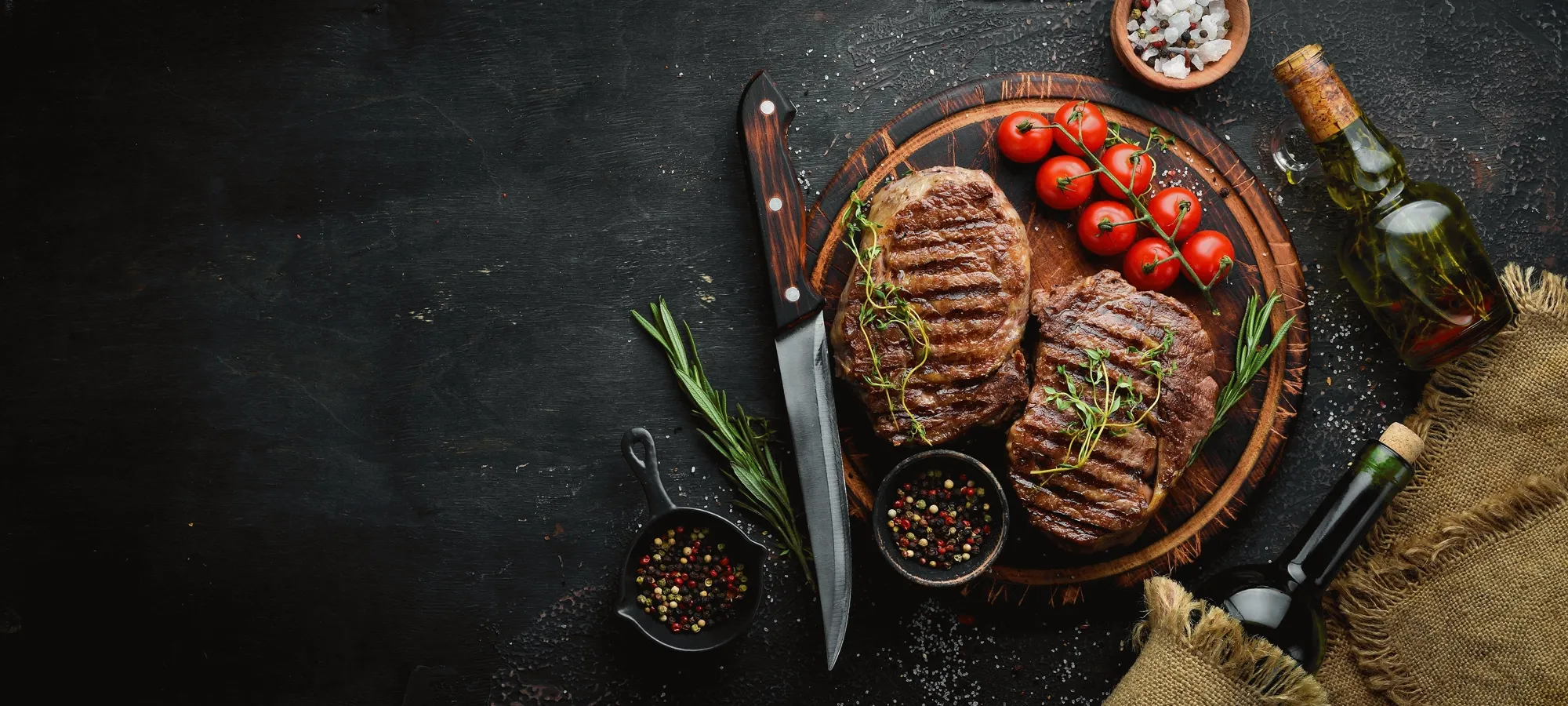
How to cook steak so it turns out simply perfect
Tips & tricks
Steak is a challenge for a beginner in many ways. Do not let that put you off: practice makes perfect. These are the five things it most often comes down to.
Do not crowd the pan
Cook two steaks at a time at most. In a crowded pan the temperature drops, the juices cannot evaporate and the steak stews rather than sears. You lose the crust and the flavour.
Oil the meat
Put the oil on the steak, not in the pan. That way it is coated evenly.
Freshly ground pepper
It is coarser than ready-ground pepper, so it does not burn as easily.
Watch the thickness
Choose meat 2–2.5 cm thick. A thicker steak needs adjusted timings, and you still risk a burnt outside and a raw middle.
Never straight from the fridge
A steak going from the fridge straight into the pan or onto the grill is a big NO. The middle would stay raw and cold.
Feel like a grill master
Must-have gear
It starts with the meat, but it does not end there. For a steak that really works, it pays to take stock of your kitchen. Which of these do you already own?
For those whose favourite meat is kohlrabi
Green alternatives
You may well be the king of the grill, but we guarantee that at least one of your guests will be a vegetarian, or a meat eater in the middle of a cleanse. Fifteen ideas from the Czech magazine Apetit for what to throw on the grill so nobody goes hungry. The recipes are in Czech.
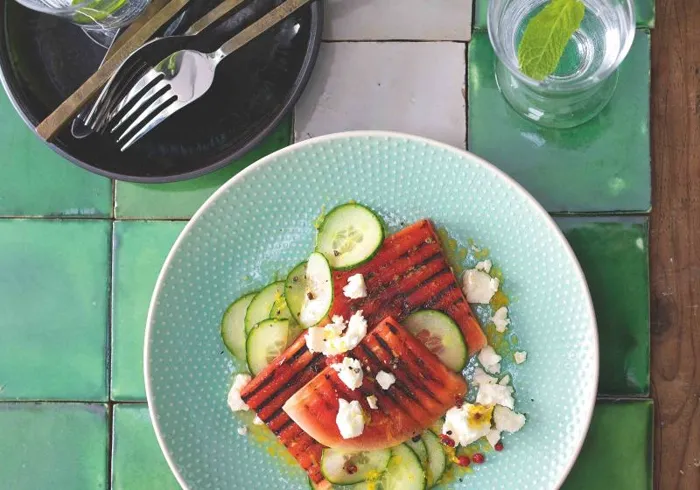 Grilled watermelon salad
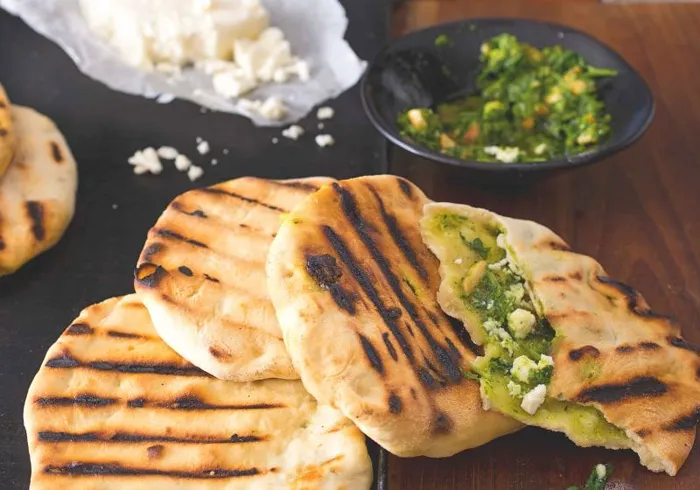 Grilled naan with herbs and cheese
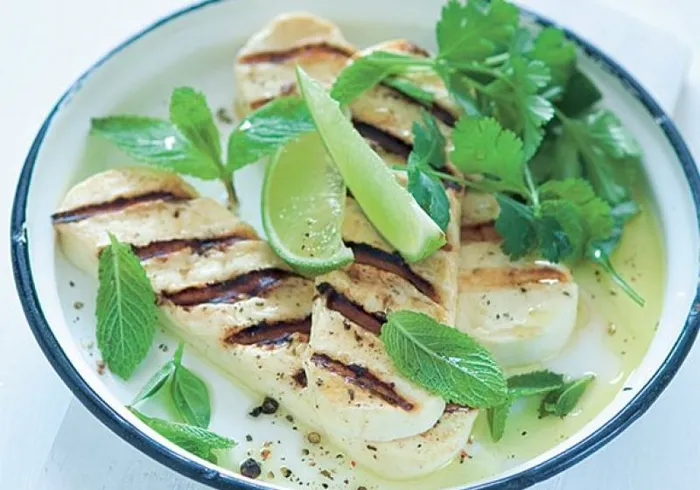 Grilled cheese with herbs
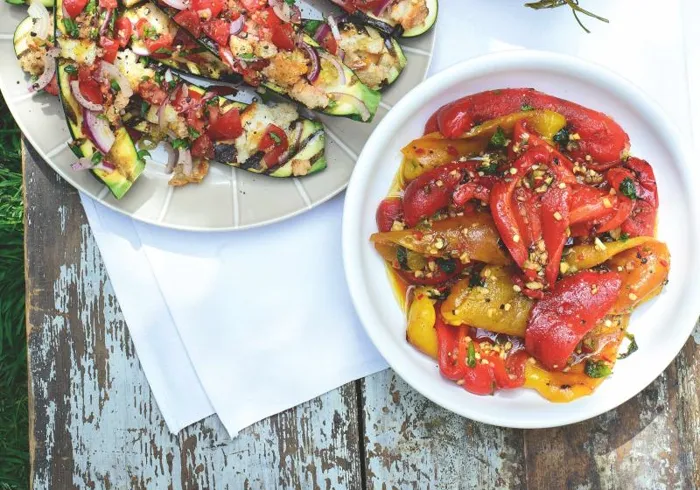 Grilled peppers with mint and garlic
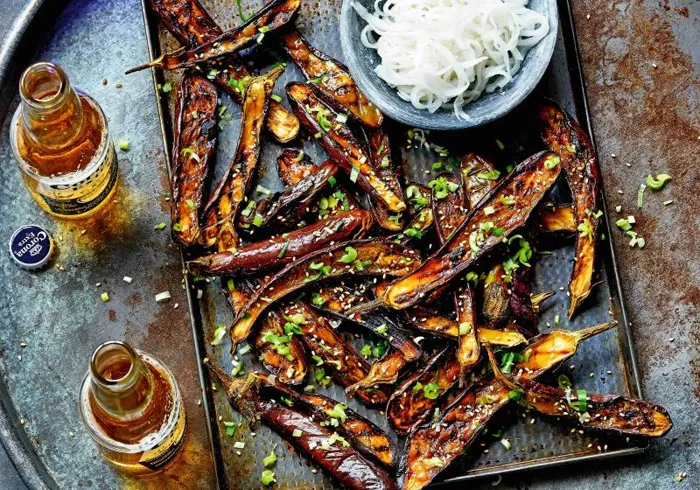 Grilled aubergine with miso and pickled radish
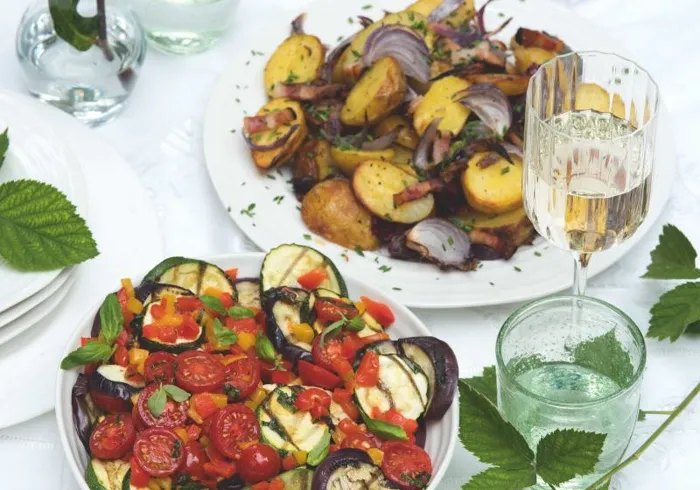 Grilled vegetables with basil
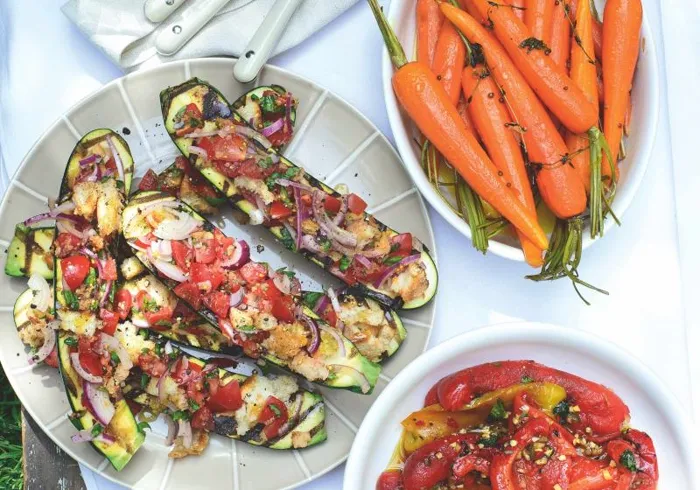 Grilled courgettes with panzanella salad
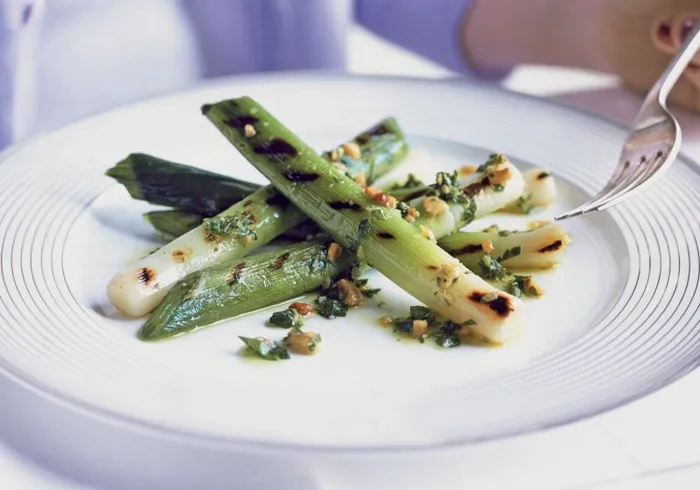 Grilled leek with hazelnut dressing
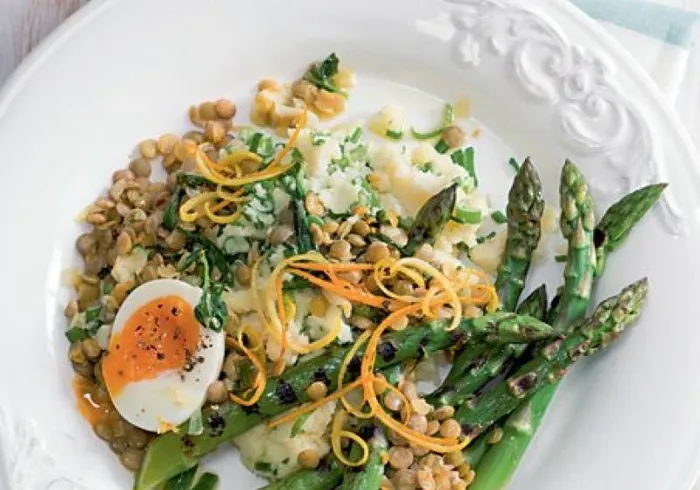 Grilled asparagus with lentils and herb mash
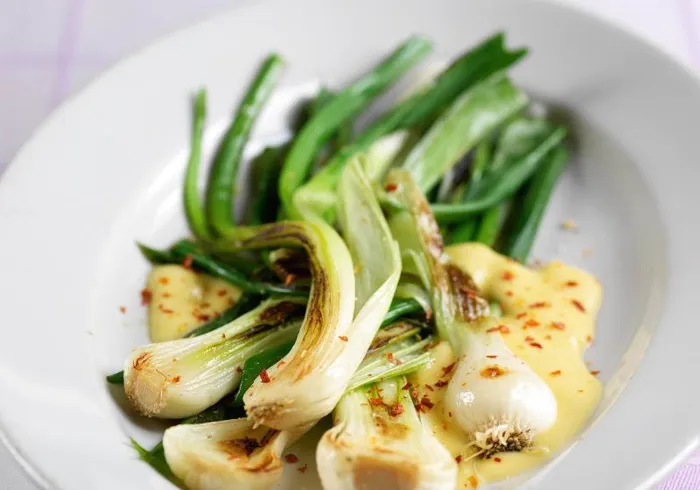 Grilled spring onions with hollandaise
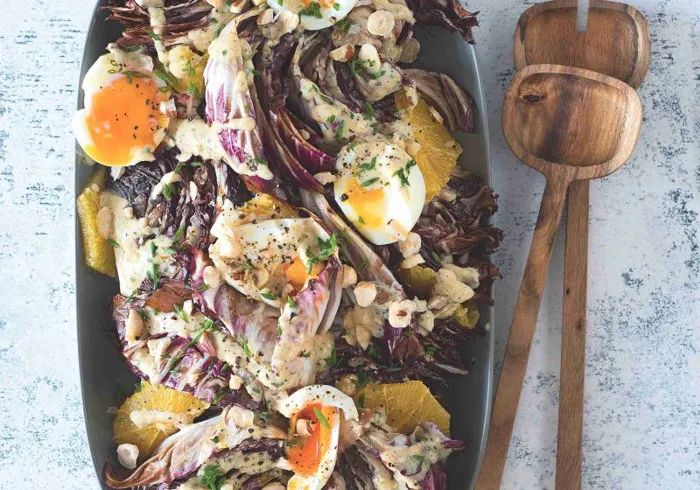 Grilled chicory salad with miso dressing
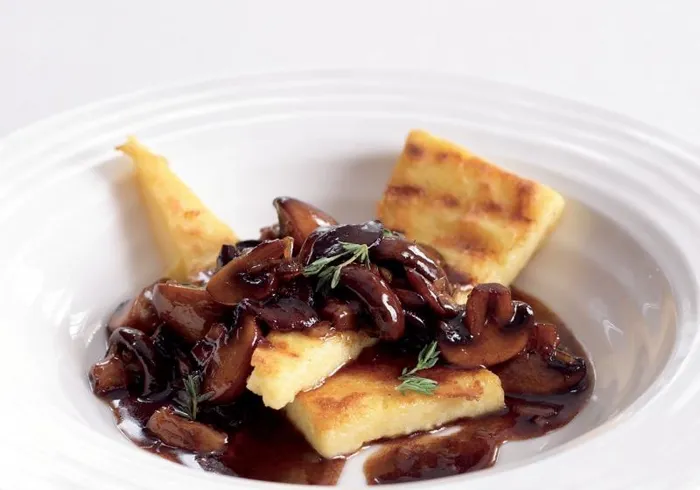 Grilled polenta with balsamic mushrooms
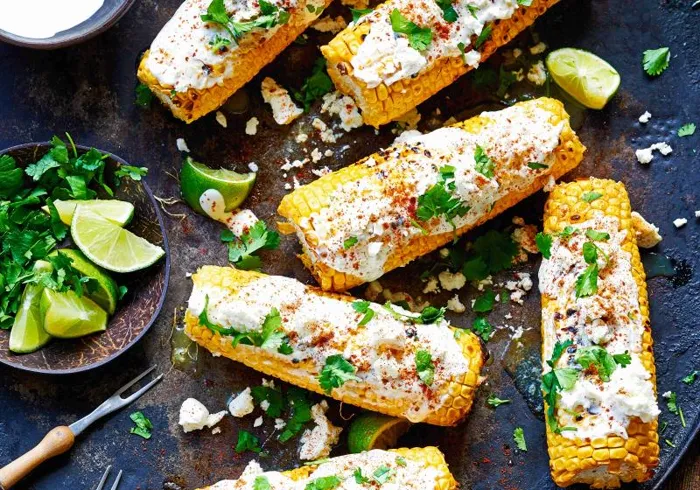 Elotes – Mexican grilled corn
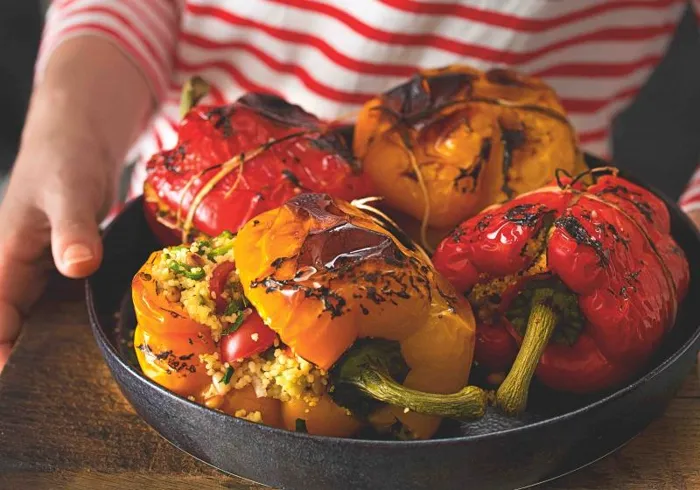 Grilled peppers stuffed with couscous
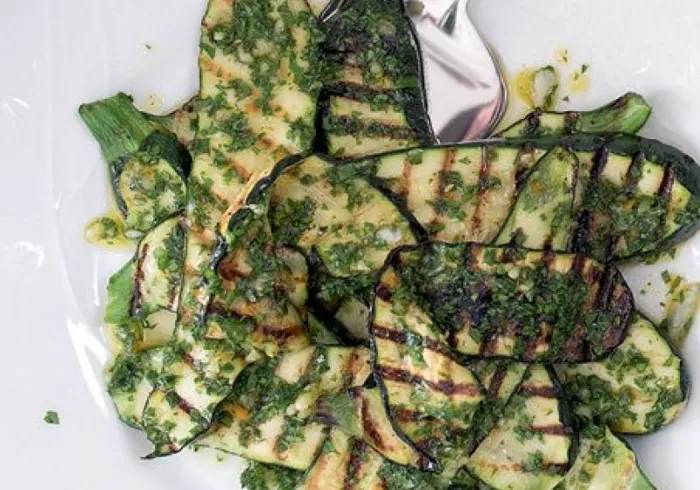 Grilled courgettes with garlic
Next
Neosteak
In the 21st century it can look as though eating meat is in retreat. Vegetarians and vegans seem to be everywhere. Add what we hear about the environmental cost of livestock farming and about its effect on our health, and every bite of your favourite rump steak starts to feel like it might be the last.
Fortunately, things are rarely as bad as they first seem. After all, even a steak needs to rest before we tuck in. So what future awaits us on the plate?
-
Sustainability and organic farming
Organic livestock farming, a return to traditional husbandry, purely grass-fed cattle and animal welfare top the list of trends. Many steakhouses already source only organically raised meat. It is better for the environment, and good conditions show in the flavour too.
-
New technology in the kitchen
The way we cook steak keeps evolving as well. A simple peasant dish has become a delicacy that can test many a seasoned chef. Perhaps that is why steak increasingly meets experiments such as sous vide or the robot chef.
-
Steak as an experience
Serving follows trends too. You can turn steak into a gourmet experience at a backyard barbecue or in a restaurant. Many steakhouses know it: they cook it at your table, carve it with a huge sword or an axe, or pair it with a fire show.
Whether you experiment at home or go exploring the quality of meat in restaurants around the world, all that is left for us is to wish you…
Bon appétit!