Magazine · Colours
Pink: History of the Most Controversial Colour of All
For centuries, the colour pink has intrigued, delighted, and surprised us. Pink – the fusion of passionate red and pure white – has a multi-layered history that's as dynamic as its hue. While it's been part of our colour palette since ancient times, the term ‘pink’ wasn't used for the colour in English until the late 17th century.
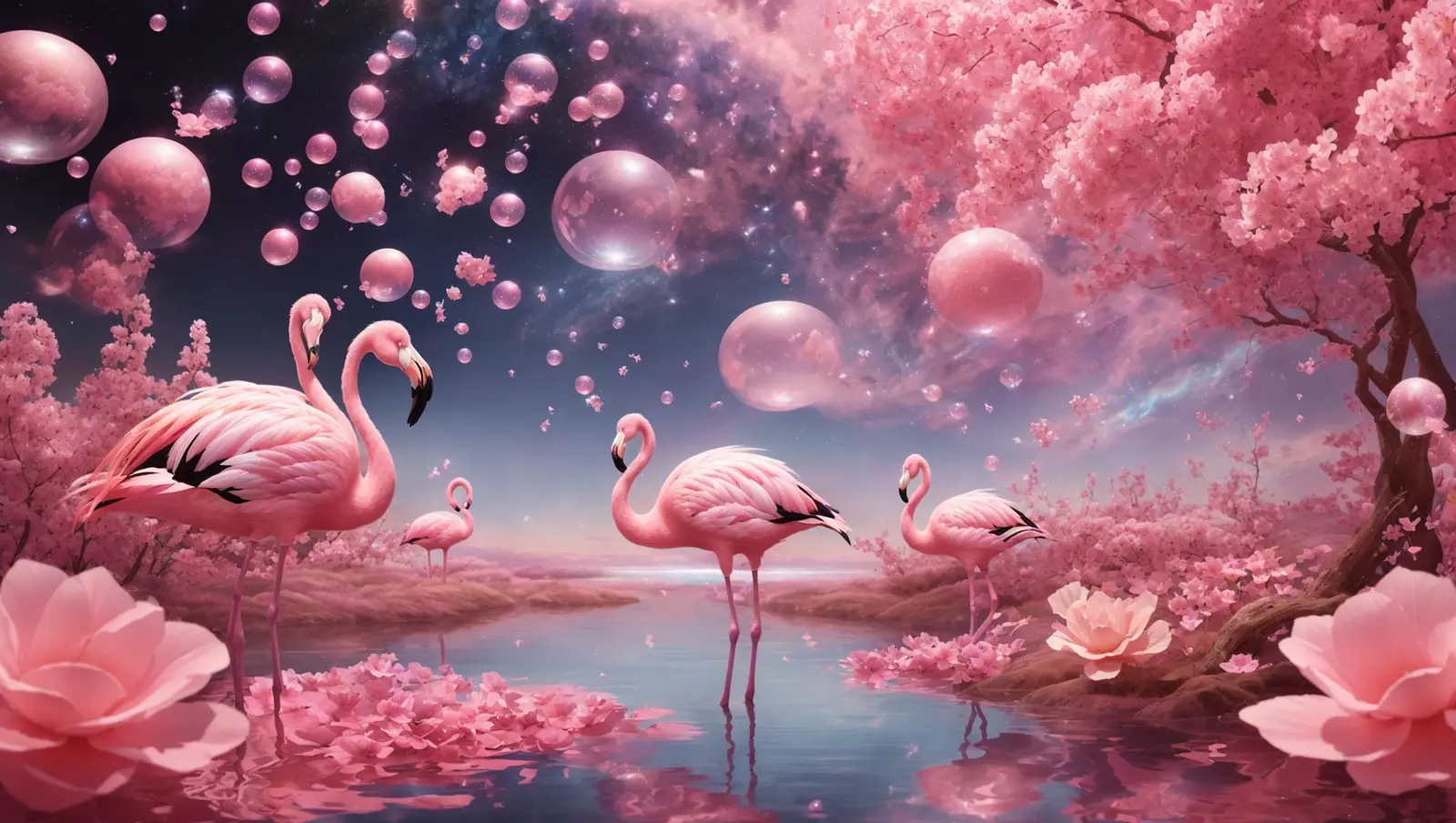
Originally, the name belonged to a species of Dianthus, commonly known as ‘pinks’, probably due to their frilled-edge petals.
01 / 07
Ancient times
The history of pink in human civilisation can be traced back to the ancient societies of Greece, Rome, and China. In ancient times, pink appears to have often been associated with health and youth due to its resemblance to skin tones. However, in Roman society, it also held ties to extravagance and luxury, adorning the frescoes of villas and palaces.
02 / 07
The Middle Ages
As we entered the Middle Ages, the use of pink began to take on religious connotations. The colour was featured in numerous religious artworks, often to denote innocence – especially when depicting the Christ Child, whom painters such as Cimabue and Duccio sometimes dressed in pink.
03 / 07
Renaissance and Rococo
During the Renaissance, the significance of pink evolved further. With new dyestuffs, the availability of pink broadened, and it became a symbol of affection, love, and romance in art and literature. However, it was during the Rococo period that pink truly had its moment of glory. Favoured by the French court and Madame de Pompadour, King Louis XV's influential mistress – the pink of Sèvres porcelain was later named ‘rose Pompadour’ after her – the colour became a definitive marker of style, elegance, and upper-class taste.
04 / 07
Pink for girls
Yet the 20th century brought a drastic shift in the perception of pink. Around the 1940s, Western societies began associating pink with femininity and innocence – a stark contrast to the preceding period, when there was no fixed rule and pink was recommended for boys as well. It was during this period that retailers started marketing pink items specifically to girls, reflecting the cultural norms of the time. This was a significant chapter in the history of pink, cementing its role in the discussion about gender norms and societal expectations.
05 / 07
Pink in fashion
In the world of fashion, pink has enjoyed various periods of popularity. From the rose-pink silk gowns of the 18th century to the pastel pinks of the 1950s and the neon hues of the 1980s, pink has consistently proven its timeless appeal.
06 / 07
A powerful symbol
Today, the use of pink has exploded beyond fashion and décor. It's a powerful symbol in social and political movements, from pink ribbons denoting breast cancer awareness to the pink hats of the Pussyhat Project, standing up for women's rights.
07 / 07
Millennial pink
In the digital age, pink continues to evolve, transcending its historical associations. Millennial pink, a muted shade that gained popularity in the 2010s, challenged gender colour norms and became a symbol of a progressive, gender-neutral approach to design.
Pink's journey from ancient symbolism to modern societal iconography is a testament to its enduring appeal and versatility. As we continue to navigate the complexities of the 21st century, one thing remains certain: pink will continue to colour our world and influence our societal narratives.
Exploring the history of pink offers an intriguing glimpse into our cultural, artistic, and social evolution. Just as our perceptions have changed over centuries, so too has the way we perceive, use, and engage with this captivating colour. Whether evoking high-fashion glamour, challenging societal norms, or championing social causes, the power of pink continues to resonate. Its rich history is a reflection of our own – a vibrant and evolving tale of transformation, resilience, and identity.